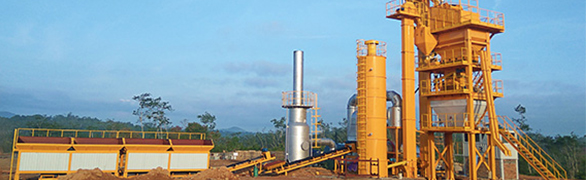
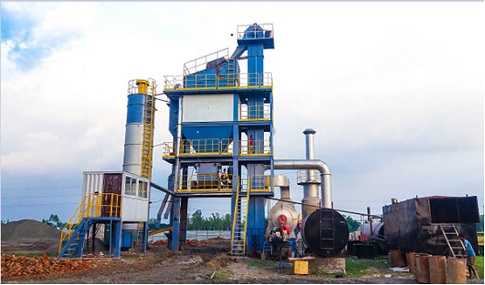
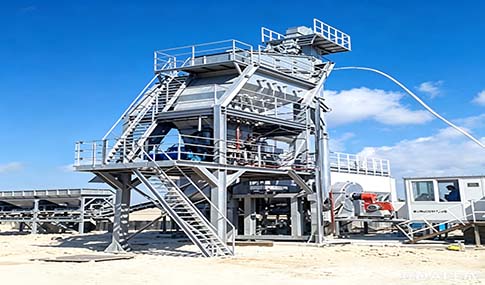
60‑80TPH small intermittent asphalt mixing plant is the core pavement equipment suitable for small and medium-sized projects in small and medium-sized pavement projects such as rural road upgrading, municipal road maintenance and road repair. Compared with 100-ton large-scale mixing plant, this equipment takes into account construction quality, site adaptability and investment cost, and can produce compliant hot-mix asphalt mixture, which is suitable for construction scenarios with narrow site, scattered points and frequent transfer. Many purchasers often confuse intermittent and drum processes, make it difficult to choose mobile and fixed models, and lack systematic knowledge of equipment cost and operation and maintenance cost reduction. This article will comprehensively analyze this equipment from the dimensions of equipment principle, structure configuration, application scenario, selection comparison, cost budget, efficiency operation and maintenance, etc., so as to provide professional reference for engineering procurement and on-site operation and maintenance.
60‑80TPH Small batch asphalt mixing plant, TPH stands for tons per hour, refers to batch mixing equipment capable of producing 60‑80 tons of hot mix asphalt mixture HMA per hour under standard conditions of aggregate moisture content of 3‑5%. From the perspective of industry classification, it belongs to the category of small asphalt mixing equipment, common corresponding models include LB1000, ALQ60/ALQ80, ALYQ60/ALYQ80, etc., single batch mixing capacity is mostly 800‑1200kg, single batch complete production cycle is about 45 seconds.
The biggest difference between this equipment and continuous drum mixing station is that the equipment adopts intermittent batch production process. Aggregate, asphalt and mineral powder will not be discharged continuously, but a batch is a complete unit. After completing batching, drying, heating, screening, precise weighing and forced mixing, the finished asphalt mixture will be discharged. Each batch of raw materials are independently measured and controlled, which can achieve high-precision control of mixture ratio, which is also the fundamental reason why batch equipment mixture quality is better than ordinary drum station.
This equipment positioning is to fill the gap between the insufficient capacity of small equipment and the excessive investment in large mixing plants. Although the large-scale fixed asphalt station has high production capacity, it covers a huge area and has high investment in civil engineering foundation, which is not suitable for short-term projects, remote rural construction sites and municipal construction sites with limited internal space in cities. The 60‑80TPH mini asphalt mixing plant, both modular mobile version and economical fixed version, perfectly meets the comprehensive needs of small and medium-sized pavement projects, and has been widely used in rural roads and municipal maintenance projects at home and abroad.

The production process of 60‑80TPH small asphalt mixing plant is overall coherent, the process is standardized, and the whole set of production logic is uniformly scheduled by PLC system, supporting two modes of full automatic mass production and manual debugging. The whole process flow can be systematically divided into six core processes: cold material batching supply, aggregate drying and heating, hot aggregate screening and storage, accurate metering and weighing, forced constant temperature stirring, and finished product unloading cycle. Each link is closely connected to ensure stable production of mixture, accurate proportioning and uniform quality.
Cold material supply is the first basic process of the production process, mainly to complete the accurate proportion and continuous transportation of different specifications of aggregates. During construction, aggregates with different particle sizes such as crushed stone, stone chips and sand are respectively put into the 4-bin cooling system through loaders. Each bin is equipped with independent variable frequency speed regulating feeding mechanism, which can accurately control the blanking speed and blanking ratio according to the standard formula of asphalt mixture. Materials are uniformly collected and conveyed by belt conveyor. Some equipment are equipped with pre-screening structure, which can filter super-large particles in advance, avoid blocking, wear and failure caused by large materials entering drying drum from the source, and ensure stable operation of subsequent processes.
After the proportioned aggregate enters the inclined drying drum, two core processes of dehydration and temperature rise are completed. The special lifting plate inside the drum continuously raises and scatters the aggregate, allowing the material to fully exchange heat with the high temperature flue gas generated by the burner, completely drying the moisture content of the aggregate, and stably heating it to 150‑180℃ construction standard temperature. The equipment burner supports multi-fuel adaptation such as diesel oil, heavy oil, natural gas, coal, etc., and can be flexibly selected according to local energy conditions. The flue gas and dust generated during the drying process will be uniformly transported to the dust removal system for purification, effectively controlling dust pollution on the construction site and meeting the environmental protection construction requirements.
The dried high-temperature aggregate is vertically conveyed to the upper part of the mixing tower by a bucket type thermal elevator, enters a four-layer high-frequency vibrating screen to complete fine classification and screening, and accurately classifies the mixed aggregate according to particle size specifications, and stores them in corresponding hot aggregate insulation warehouses respectively. The hot bin has the function of constant temperature and insulation, which can stabilize the discharge temperature of aggregate and avoid the fluctuation of mixture quality caused by heat loss and excessive temperature difference. This procedure is the core advantage of batch mixing plant. Through secondary screening of hot materials and graded storage, the problem of aggregate grading disorder is completely solved, and the grading of each batch of mixture is uniform and stable.
In order to ensure the mixture ratio accuracy, the equipment adopts the independent weighing and measurement mode of aggregate, asphalt and mineral powder **, so as to eliminate the ratio deviation caused by material mixing. Hot aggregate is discharged quantitatively from the thermal insulation bin and weighed by a high-precision load sensor; liquid asphalt is pumped from the constant temperature asphalt tank to a special asphalt weighing hopper for independent measurement; mineral powder is transported quantitatively by a sealed screw conveyor and weighed accurately. The precision of the whole measurement system is extremely high, the measurement error of aggregate is ≤±0.5%, and the measurement error of asphalt and mineral powder is ≤±0.25%, which ensures that the road performance of the finished mixture is highly consistent with the construction standard from the hardware level.
After all materials are accurately measured, they are simultaneously put into the dual-shaft forced mixer for centralized mixing. The standard mixing cycle is controlled at 30‑60 seconds, and the normal working condition is stable at about 45 seconds. The equipment relies on the anti-rotating wear-resistant stirring arm and blades to shear and mix the materials strongly, ensuring that the surface of each aggregate is evenly coated with asphalt cement, and eliminating the problems of white materials, segregation and uneven mixing. The mixer has its own insulation jacket structure, which can effectively reduce the heat loss in the mixing process, maintain the mixture constant temperature state, and avoid the low temperature affecting the paving bonding effect and pavement molding quality.
The qualified asphalt mixture after mixing can be directly unloaded into the transportation vehicle by opening the discharge door, or can be unloaded into the optional thermal insulation finished product bin for short-term constant temperature storage according to the construction demand, so as to ensure the continuity of construction. After a single batch of production is completed, the equipment automatically resets immediately and enters the next round of batching, drying and stirring cycles to achieve uninterrupted batch production. The operating temperature, material weight, equipment speed, safety interlock and other parameters of the whole set of equipment are all centrally controlled by PLC intelligent system. The operator can complete the complete set of operations such as formula switching, parameter monitoring, fault warning and data recording in the control room, with high degree of automation and convenient operation and maintenance.
.jpg)
60‑80TPH small asphalt mixing plant is modular integrated equipment, the whole machine can be divided into five core main systems according to functional division, namely aggregate processing system, hot aggregate mixing tower system, asphalt powder supply system, environmental protection dust removal system and electrical automation control system. Each system performs its own duties and cooperates with each other to completely realize the automation, standardization and high-precision production of asphalt mixture. Meanwhile, the equipment supports a number of personalized optional modules, which can be flexibly upgraded and configured according to construction conditions to adapt to the construction standards and production requirements of different projects.
Aggregate treatment system is the core process module at the front end of the equipment, mainly completing the storage, transportation, pre-screening and drying and heating operations of sand and gravel aggregates, providing dry and compliant high temperature aggregates for the subsequent mixing process, and the whole set of configurations meets the production requirements of small and medium-sized projects. The system is equipped with 4-bin cold material supply structure, conveyor belt, pre-screening mechanism, drying roller and intelligent burner, which can store different specifications of aggregates such as crushed stone, fine sand and stone chips in different areas. The sand bin is equipped with vibration anti-blocking device to effectively avoid the problems of fine aggregate moisture blocking and arch blocking, so as to ensure continuous and stable supply. The core heat exchange part drying drum has moderate specifications, and the inside is densely covered with wear-resistant material lifting plates, which can fully raise scattered aggregates, strengthen the heat exchange effect with high temperature flue gas, and have excellent drying efficiency. The supporting intelligent burner has its own flameout protection device, which is safe and stable in operation. Under standard working conditions, the fuel consumption per ton of mixture is only 5.5‑7kg. The energy saving and economy are outstanding. It is the key component of equipment low-consumption production.
Mixing tower is the core unit of 60‑80TPH asphalt mixing plant, which directly determines the mixture proportion accuracy and mixing quality, and undertakes the core functions of hot aggregate lifting, screening and classification, constant temperature storage, accurate metering and forced mixing. The whole system consists of five structures: hot aggregate elevator, multi-layer vibrating screen, thermal insulation hot aggregate bin, high-precision weighing system and double-shaft forced mixer. The equipment is equipped with 800‑1200kg large-capacity double-shaft forced mixer, which is suitable for the rated capacity of the whole machine. The mixing blades and lining plates are made of high wear-resistant materials, which have long service life and support separate replacement and maintenance, greatly reducing the operation and maintenance costs in the later period. The supporting multi-layer vibrating screen can accurately screen high temperature aggregates, store aggregates of different specifications in stages, and avoid the problem of aggregate grading chaos. The weighing unit of the whole machine is equipped with high-precision load sensors, which can realize accurate measurement of aggregates and auxiliary materials, ensure the mixture proportion accuracy from the hardware level, and is the core guarantee for the quality stability of finished asphalt mixture.
The asphalt and mineral powder supply system is mainly responsible for the constant temperature storage, accurate transportation and quantitative feeding of asphalt and mineral powder, ensuring the cohesiveness and compactness of the mixture up to standard, and is a key supporting system for standardizing the quality of pavement construction. The module consists of thermal insulation asphalt storage tank, heat transfer oil heating system, variable frequency asphalt conveying pump, sealed mineral powder storage tank and screw conveying mechanism. The whole system is closed and operates at constant temperature to prevent material loss and deterioration. Among them, the asphalt storage tank relies on indirect constant temperature heating with heat transfer oil, which can maintain the flow state of asphalt all year round, effectively avoid problems such as low-temperature solidification and excessive viscosity, and ensure that asphalt adheres evenly to the aggregate surface. The ore powder system adopts closed conveying design, which can accurately convey limestone ore powder, and at the same time can recycle qualified fine powder collected by bag dust collection, realizing resource recycling, which not only improves mixture mixing performance, but also reduces raw material waste, giving consideration to construction quality and economy.
In order to meet the environmental protection construction standards of various places, the equipment is equipped with mature and efficient dust removal and purification system. The combined dust removal scheme of gravity initial dust removal + bag dust removal is adopted in the mainstream. Wet dust removal devices can be selected as required under special humid and high dust conditions to meet the environmental protection construction requirements of multiple scenarios. The filter area of the whole set of dust removal system can reach 300‑420㎡, and the dust capture and purification capacity is extremely strong. The flue gas, dust and fine powder generated during the operation of the equipment can be collected and filtered in all directions, and the final particle emission concentration can be stably controlled at 20‑50mg/Nm³, fully meeting the environmental protection control requirements of urban and rural municipal and rural road construction. At the same time, the qualified fine ore powder collected by the dust removal system can be mixed back into the production process for recycling, which not only effectively reduces dust pollution on the construction site, optimizes the construction environment, but also reduces raw material loss, saves production cost, and realizes two-way consideration of environmental protection and efficiency.
The electrical automation control system is the "intelligent brain" of the whole mixing plant, with PLC programmable controller as the core, with high-definition touch screen console, to achieve full-process automation production, parameter regulation and safety monitoring. The system can store multiple sets of standardized asphalt mixture formulas, support one-button switching and calling, adapt to the mixing requirements of different pavement bottom layer, middle layer and surface layer, and support automatic production and manual debugging dual-mode free switching, giving consideration to mass production efficiency and maintenance convenience. During the production process, it can monitor the core parameters such as discharge temperature, hourly output, material weighing data, equipment running speed, etc. in real time. It has automatic fault alarm, production data recording and printing functions. The whole production data can be traced, which is convenient for construction acceptance and cost accounting. The comprehensive installed power of the whole machine is in the range of 170‑300kW. The specific power can be flexibly adapted according to fixed/mobile models and optional functions. The energy consumption ratio is scientific and reasonable.
In order to adapt to different construction scenarios and engineering requirements, 60‑80TPH small asphalt mixing plant reserves rich optional upgrading functions, and can be equipped with various supporting components as required to improve the adaptability and practicality of the equipment. Common optional configurations include thermal insulation finished product bin, RAP old asphalt recycling feeding system, expansion asphalt storage tank, strengthened heat transfer oil heating device, etc., which can realize the functions of constant temperature storage of finished mixture, recycling of waste asphalt, continuous uninterrupted production, etc., and adapt to high standard and large-scale construction projects. Among them, mobile models are exclusively equipped with trailer chassis and container modular frame structure, which supports rapid disassembly and vehicle transfer, greatly improves equipment transfer efficiency, and perfectly adapts to multi-site and fragmented construction scenarios.
New construction and upgrading of rural roads in counties and townships: rural road projects are generally scattered and the construction area is remote. If large-scale fixed mixing stations are built, the investment cost is high and the utilization rate is extremely low. This type of mixing station can be arranged nearby the construction site, effectively shortening the transportation distance of hot mix asphalt mixture, reducing the temperature loss and segregation problems in the process of material transportation, not only ensuring the pavement paving construction quality, but also greatly reducing the logistics transportation cost. It is the core equipment for rural road network reconstruction.
Urban municipal road small-scale engineering: suitable for urban branch roads, residential roads, parking lot paving, urban pavement milling and resurfacing and local repair. Urban construction is generally characterized by narrow site, strict environmental protection control and high noise and dust limit. The equipment has compact body and small floor area. It is equipped with standard bag dust removal system, which can meet urban environmental protection construction standards and adapt to temporary and scattered road construction points in Urban area.
Maintenance and repair of national and provincial trunk roads: For maintenance projects such as road surface covering, disease repair, sectional reconstruction and expansion, such projects have long construction front lines, scattered operation points and no fixed construction site. The mobile 60‑80TPH mixing plant supports rapid disassembly and flexible transition, and can adjust the equipment position at any time along with the construction work surface, perfectly adapting to the construction mode of highway linear sectional maintenance.
Small and medium-sized supporting infrastructure roads: covering auxiliary pavement works such as access roads, bridge approach roads and supporting roads in industrial development zones. The total demand for asphalt mixture for such projects is moderate, and there is no need for ultra-high continuous production capacity. The selection of small mixing plants of this specification can avoid the problems of idle operation and waste of production capacity of large equipment, effectively control the production cost per ton of mixture, and have extremely high construction cost performance.
.jpg)
Many buyers in the selection, first of all to make two choices: choose intermittent batch type or drum continuous type; choose fixed type or mobile semi-mobile type, different processes and structures to adapt to completely different project conditions.
In order to more clearly and intuitively compare the core differences, adaptation scenarios and advantages and disadvantages of batch mixing plants and drum mixing plants, the key parameters and performance differences of the two types of equipment are now sorted into the following comparison tables, which are convenient for procurement and construction personnel to quickly select reference:
|
contrast dimension |
60-80TPH batch asphalt mixing plant |
60-80TPH drum asphalt mixing plant |
|
manufacturing technique |
Batch production, batch independent completion of batching, drying, screening, weighing, stirring, unloading the whole process |
Continuous production, raw materials continuously through the drum to complete drying, mixing, no batch division |
|
Material proportioning and screening |
Aggregate, asphalt, ore powder independent accurate weighing, equipped with multi-layer hot aggregate secondary screening, grading control precision is extremely high |
Only rely on cold bin preliminary proportion, no hot aggregate secondary screening, low material proportion accuracy |
|
Blend formulation flexibility |
Support fast switching formula, flexible switching of road bottom layer, middle layer, wearing layer and other mixture specifications on the same working day |
Formula switching is complicated, adjustment parameters need to stop recalibrate, only suitable for long-term production of single mixture |
|
Quality of finished mixture |
Two-axis forced mixing, high material mixing uniformity, stable finished mixture performance, in line with high standard pavement construction specifications |
The uniformity of continuous mixing is general, the gradation stability is weak, and it is difficult to meet the requirements of high-precision pavement construction. |
|
Equipment structure and cost |
Many parts, complex structure, high initial procurement cost, more daily maintenance items |
Simple and compact structure, less parts, lower purchase price, low operation and maintenance cost, and low maintenance difficulty |
|
transition and adaptation |
Modular/mobile models support transition, adapt to multiple working conditions, multiple formulations, high quality engineering requirements |
The whole machine is light, the transition is more convenient, and it is suitable for basic construction projects with single working conditions and limited budget. |
|
Core application scenarios |
Municipal roads, highway maintenance, high-standard regional roads, etc. have clear specifications for pavement quality and require frequent switching of mixtures |
Ordinary rural roads, simple pavement projects and other basic pavement projects with low requirements for grading accuracy and long-term single production |
The production quality of finished products of fixed and mobile models is basically the same, and the core differences are reflected in installation conditions, transition capacity, construction cost, expansion performance and adaptation scenarios. For the convenience of visual comparison and selection, the core differences between the two types of equipment are now organized into the following table:
|
contrast dimension |
Stationary 60‑80TPH mixing plant (ALQ60/ALQ80) |
Mobile 60‑80TPH mixing plant (ALYQ60/ALYQ80) |
|
equipment structure design |
Integral fixed steel structure design, stable structure, strong stability of the whole machine |
Modular design of trailer chassis/container, lightweight assembly structure, suitable for vehicle transportation |
|
Installation foundation requirements |
Professional concrete civil engineering foundation is required, and the construction quantity is large. |
Support foundation free or simple foundation installation, very low civil engineering investment |
|
Installation/disassembly cycle |
Long cycle, days to weeks, complex process |
Fast set-up, commissioning in just hours to 3 days |
|
transition capability |
Very poor, does not support frequent relocation, migration costs are high, difficult |
Flexible and convenient, can be transferred at any time with the construction point, adapt to multi-site operation |
|
Late operating costs |
Long-term continuous production of tons of material costs lower, stable operation and maintenance, small loss |
Frequent transfers will cause transportation and disassembly costs, and long-term operating costs are high |
|
functional expandability |
Large expansion space, can be equipped with large-capacity finished goods bin, full RAP recycling system, multi-group asphalt storage tank and other supporting equipment |
Limited by transportation limit and chassis load, large-scale optional function expansion is limited, and the configuration is relatively fixed |
|
core advantages |
Strong equipment stability, continuous and stable production capacity, high comprehensive cost performance, outstanding long-term operation benefits |
Flexible deployment, fast landing speed, local production of mixture nearby, reduce temperature loss and logistics cost of hot material transportation |
|
Adapt to construction scenarios |
Fixed mixing station with fixed site, long project cycle (several years) and long-term supply of multiple projects around |
Project site dispersion, short construction period, temporary construction site, remote mountainous area, maintenance and new construction requiring frequent transfer |
The core principle of overall selection: fixed project site, long-term continuous operation, priority to select fixed mixing plant; temporary construction site, scattered construction sites, frequent relocation of equipment, priority to select mobile mixing plant. At present, most of the new fixed equipment adopts modular assembly technology. Compared with the traditional old-fashioned fixed station, the relocation difficulty has been greatly reduced, which can give consideration to stability and certain flexibility.
The procurement budget of a 60‑80TPH small intermittent asphalt mixing plant is affected by multiple factors such as model structure, configuration specifications, and function selection. In addition to the bare-metal price of the equipment, it also includes a number of hidden costs for implementation and operation and maintenance. In order to facilitate the procurement personnel to accurately control the investment budget and avoid the risk of overspending, this section will briefly sort out the complete cost system of equipment from three core modules: model price range, full-cycle landing cost and procurement pit avoidance points.
60‑80TPH asphalt mixing plant price gradient is clear, divided into low configuration, standard, high configuration and customized version, fixed and mobile models have obvious price difference, adapt to different budget items. Conventional low-profile fixed equipment configuration base system, quoted at $150,000-$300,000, to meet basic road construction needs. High-equipped fixed type equipped with high-precision metering, intelligent combustion and other upgraded configurations, more stable performance, quoted price of 250,000 - 450,000 US dollars. The mobile model has a higher design cost due to modularization without foundation and trailer chassis. The standard model price is 180,000 - 400,000 US dollars, and the high-end customized model with regeneration system and imported accessories can reach 300,000 - 600,000 US dollars. It is the mainstream selection for overseas small and medium-sized projects.
The overall investment of mixing plant is divided into explicit landing cost and implicit operating cost. It is easy to cause budget overrun only by referring to bare metal price. Explicit costs include equipment purchase fees, sea freight, customs clearance fees, installation and commissioning fees and supporting equipment purchase fees. Fixed equipment also requires additional investment in infrastructure costs such as site leveling and concrete and civil foundations. Hidden costs are long-term continuous expenditures, covering production fuel, electricity, consumables replacement, equipment maintenance, manual maintenance and other expenses, running through the 5 - 10 year service life of equipment. The procurement and selection shall comprehensively calculate the full-cycle cost to avoid purchasing high-energy-consuming and low-quality equipment at low prices, which will lead to high operation and maintenance costs in the later period.
Many contractors choose second-hand mixing plants to save initial investment, but there are many hidden dangers. The core components of second-hand equipment are generally worn and aged, with unstable operation, poor production accuracy, high energy consumption and other problems. Moreover, most of the accessories of old models have been stopped production, and cannot be repaired in time after failure, which is easy to cause heavy losses such as long-term shutdown, construction period delay and manual delay, but increases the comprehensive cost. Procurement priority is given to brand-new formal equipment, docking with multiple formal manufacturers, checking complete configuration, landing quotation and after-sales terms, comprehensively comparing configuration, cost and after-sales ability, avoiding problems such as selection errors and budget overruns, so as to ensure long-term stable profitability of the project.
The procurement and selection of 60‑80TPH small asphalt mixing plant is a systematic project, and it is not a simple comparison of the nominal capacity of the equipment. A large number of engineering procurement cases show that most contractors have problems such as insufficient equipment capacity, long-term idle, high operation cost and poor adaptability to working conditions in the later stage. The core reason is that only equipment parameters are referred to in the selection stage, and comprehensive consideration is not given to their own project working conditions, construction scenarios and long-term operation planning. In order to help purchasers accurately match and adapt equipment, avoid wrong selection and control full-cycle cost, the whole procurement selection process is systematically disassembled into six core dimensions, which are comprehensively refined from capacity calculation, model selection, technical parameters, manufacturer screening, cost accounting and landing verification to form a set of standardized procurement decision-making scheme that can be directly implemented.
Capacity calculation is the first step in equipment selection, which directly determines equipment utilization rate and production cost per ton of materials. It is not allowed to directly apply equipment nominal 60TPH and 80TPH full-load parameters for construction. Affected by weather, aggregate moisture content, equipment loss, manual operation, frequent start and stop and other factors, the actual effective capacity of equipment is generally lower than the theoretical capacity, and blind selection is prone to insufficient capacity or idle equipment. Before procurement, it is necessary to combine the project working conditions, accurately calculate the hourly capacity according to the daily average and peak mixture demand, and the equipment will operate stably in the range of 70%‑85% of the rated capacity for a long time. At the same time, 10%‑20% capacity redundancy shall be reserved to cope with sudden working conditions such as rainy season, low temperature and urgent construction period. The materials for small and medium-sized municipal and rural maintenance projects are stable and low, so 60TPH models are preferred; in high-yield demand scenarios such as county upgrading and batch infrastructure construction, 80TPH models are preferred to ensure the construction period.
After determining the production capacity, it is necessary to select the appropriate equipment form according to the construction cycle, transition frequency and site conditions. The production quality of fixed and mobile mixtures is consistent, but the adaptation scenario and landing cost are significantly different. For highway and municipal projects with long-term fixed stationing and normal construction around the service area for many years, fixed mixing stations shall be preferred, with stable structure, stable production capacity, strong expandability, lower cost for long-term continuous production of tons of materials, and suitable for large-scale fixed station operation. For scattered points, short construction period, remote temporary construction site and high-frequency transfer maintenance projects, mobile and semi-mobile models are preferred to support fast installation without foundation, which can arrange construction site nearby, shorten the transportation distance of hot materials, avoid mixture cooling and segregation, greatly reduce logistics cost, and adapt to fragmented construction scenarios. New modular stationary models are available for both fixed production and occasional transition requirements.
The core technical parameters determine the quality, energy consumption, operation and maintenance difficulty and compliance of the mixture. The selection shall be verified item by item in combination with local construction specifications and environmental protection policies to avoid rework and shutdown caused by substandard parameters. The equipment shall be equipped with 800‑1200kg high wear-resistant dual-shaft forced mixer as standard to ensure the uniformity of mixing and adapt to various high-standard pavement construction. The metering system shall meet the requirements of aggregate error ≤±0.5%, asphalt powder error ≤±0.25%, and can accurately reproduce various construction formulas. The drying burner supports multi-fuel adjustment, and the fuel consumption under standard operating conditions is controlled at 5.5‑7kg/ton mixture. Standard bag dust removal equipment, stable particle emission standards, in line with urban and rural environmental protection requirements. The whole machine is equipped with automatic PLC control system, which supports formula storage, one-button switching, real-time monitoring of working conditions, and optional modules such as recycled material system and insulation bin can be installed as required to meet personalized construction requirements.
Asphalt mixing plant is continuous operation type heavy equipment, manufacturer strength, accessory supply and after-sales response ability directly determine construction continuity and later operation and maintenance cost, and the selection cannot only compete with bare metal and low price. Priority shall be given to regular manufacturers with deep cultivation industry, complete qualifications and rich local landing cases to ensure that the equipment is suitable for local climate and construction conditions. Focus on verifying the localization service capability of manufacturers, give priority to suppliers with offline service outlets and quick on-site maintenance, so as to avoid long-term shutdown and delay after equipment failure. At the same time, verify the inventory supply capacity of wearing parts, and ensure that consumables such as lining plates, dust removal bags and sensors are replenished at any time. High-quality manufacturers can provide free on-site installation and debugging, pre-job training services for operators, help the team quickly master operation and basic maintenance skills, and effectively reduce the difficulty of equipment operation and maintenance and failure risk.
Equipment procurement needs to abandon the misunderstanding of only comparing bare metal quotations, comprehensively calculate the 5 - 10 year life cycle cost, and accurately control the overall investment budget. The overall cost is divided into two parts: explicit landing cost and implicit operation cost. The explicit cost includes equipment purchase cost, transportation customs clearance cost, civil construction cost, installation and commissioning cost, training cost and initial wearing parts purchase cost; the implicit cost covers long-term fuel electricity cost, maintenance consumables cost, equipment maintenance labor cost, fault shutdown and delay loss, etc. Fixed equipment needs to focus on accounting for civil construction infrastructure costs, mobile equipment needs to reserve transfer and disassembly transportation costs. When selecting the model, priority shall be given to comparing the core parameters such as equipment energy consumption, accessory life and failure rate, and the model with low energy consumption and high stability shall be selected. Although the initial investment is slightly higher, it can save the operation and maintenance cost for a long time, ensure that the equipment meets the local safety and environmental protection construction specifications, and eliminate the new cost of later rectification.
After completing the preliminary parameters, cost and manufacturer screening, the final selection shall be completed through field verification to avoid the procurement risks such as false standard of manufacturer parameters and inconsistent equipment quality. First, sort out the standardized selection list, check the capacity matching degree, equipment form, core parameters, environmental protection configuration, after-sales guarantee and full-cycle budget item by item to ensure no omission deviation. Secondly, inspect the cooperative construction site of the manufacturer on the spot, visually verify the real production capacity, mixing quality, energy consumption level and operation stability of the same type of equipment, and judge whether the equipment is suitable for its own construction conditions. Finally, connect 2‑3 high-quality suppliers, compare detailed configuration list, total landing price and after-sales contract terms, finalize the optimal scheme in combination with long-term construction planning, sign formal procurement contract, clarify core rights and interests such as warranty period, parts supply, technical training, etc., and ensure procurement compliance.
.png)
The operating energy consumption of 60‑80TPH small asphalt mixing plant directly determines the project profit, of which fuel energy consumption accounts for 30%‑50% of the overall operating cost, which is the core focus of cost control. Traditional extensive operation and maintenance is prone to material waste, equipment failure, unreasonable scheduling and other problems, resulting in high production costs. Without large-amount equipment transformation, only fine management from six dimensions of raw material control, equipment operation and maintenance, production scheduling, measurement calibration, recycling and intelligent monitoring can effectively reduce comprehensive energy consumption, reduce ineffective loss, and steadily improve equipment capacity utilization rate and overall economic benefit of the project.
Aggregate moisture content is the core factor affecting fuel consumption of mixing plant, and it is also the most cost-effective means to reduce costs. Industry measured data show that for every 1% reduction in aggregate moisture content, drying fuel energy consumption can be reduced by about 10%. Sandstone and fine sand piled in the open air are easily affected by rain and moisture. Excessive moisture content will increase the heating load of drying drum, which will not only cause fuel waste, but also prolong drying time and reduce production efficiency. Daily production requires standardized control of raw material storage yard, comprehensive hardening of site and improvement of drainage system, and construction of rainproof awning in fine aggregate area to isolate moisture intrusion. At the same time, standardize the way of taking materials, give priority to the use of dry aggregates, control the moisture content of raw materials stably within 3%, reduce drying energy consumption from the source, and realize efficient and energy-saving production.
Drying drum and burner are the core energy-consuming equipment of mixing plant. Parts wear, parameter imbalance, insufficient insulation and other problems are easy to cause heat waste and increased fuel consumption. Normalized professional operation and maintenance can effectively reduce heat loss by 5%‑10%. Before construction peak season, it is necessary to calibrate the air-fuel ratio of the burner, clean the nozzle and oil circuit, ensure the full and stable combustion of fuel oil, and eliminate waste and excessive exhaust gas. At the same time, regularly check the lifting plate of the drying drum, replace the worn parts in time, ensure the full heat exchange between the aggregate and the high temperature flue gas, and improve the drying efficiency. In addition, the drum, hot silo and asphalt pipeline shall be well insulated and protected to reduce heat loss. Conditional equipment can be equipped with a frequency conversion system to automatically adjust motor power according to operating conditions, reduce no-load power consumption, and continuously reduce overall energy consumption.
Frequent start-up and shut-down and chaotic scheduling are the main causes of high energy consumption and low capacity utilization of small asphalt mixing plant. Every time the equipment starts and stops, it consumes fuel oil and electric energy to preheat and stabilize the machine. Frequent intermittent production not only causes energy waste, but also intensifies mechanical wear and shortens the service life of the equipment. Daily production needs to be combined with the paving progress to formulate a continuous operation plan to extend the duration of a single production and avoid intermittent construction. The optimal operating load of the equipment is 70%‑85% of the rated capacity, which can balance energy consumption, loss and production efficiency, and avoid full load overload loss and low load idling cost. At the same time, equipment maintenance, parts replacement, complete machine cleaning and other maintenance work shall be arranged at night or during shutdown period, so as to eliminate midway shutdown of production, effectively reduce capacity loss and energy consumption waste, and maximize production benefits.
Accurate material metering is the key to ensuring mixture quality and controlling raw material costs. After long-term operation of mixing plant, metering sensor is prone to data drift and precision deviation, resulting in imbalance of aggregate, asphalt and mineral powder ratio, which not only increases raw material procurement cost, but also easily produces unqualified mixture, causing double loss such as waste and rework. It is necessary to establish a normal measurement calibration mechanism on a daily basis, regularly verify each weighing system, and strictly ensure that the aggregate measurement error is ≤±0.5%, and the asphalt and mineral powder error is ≤±0.25%. At the same time, PLC intelligent formula system is used to store all kinds of construction standard formulas in advance, which can be used accurately with one key to reduce manual operation errors, eliminate material waste and defective products from the source, and give consideration to construction quality and cost reduction effect.
Under the premise of conforming to construction specifications, reasonable use of RAP waste asphalt recycling technology can effectively reduce costs. Blending 15%‑30% treated waste asphalt according to standards can reduce the purchase amount of new aggregate and new asphalt on the basis of not affecting the performance of the mixture, and greatly reduce the cost of raw materials. At the same time, preventive maintenance of equipment shall be implemented to avoid hidden losses such as delay and urgent procurement caused by fault shutdown. It is necessary to reserve vulnerable parts such as lining plates, dust removal bags and sensors on a daily basis, and regularly carry out maintenance, lubrication and cleaning of equipment transmission, dust removal and stirring core parts. Standardize the whole process operation of operators, eliminate failures caused by human errors, and comprehensively reduce equipment failure rate and operation loss.
PLC intelligent control system equipped with 60‑80TPH asphalt mixing plant is the core of equipment refinement and data cost reduction, effectively solving the disadvantages of traditional equipment empirical operation and loss difficult to control. The system can automatically collect material consumption, energy consumption, discharge temperature, equipment load and fault data 24 hours a day, generate accurate production reports, and replace extensive manual statistical models. Managers can rely on data to accurately locate energy consumption waste and productivity inefficiency, and optimize production parameters and operation modes. At the same time, the equipment supports one-button formula switching, automatic temperature fine-tuning, precise temperature control for different working conditions, avoiding fuel waste and material loss, self-contained fault warning function can detect hidden dangers in advance, avoid shutdown loss, and reduce fuel consumption by 15%‑30% with warm mixing process, realizing all-round quality improvement, energy saving and cost reduction.
60‑80TPH small batch asphalt mixing plant is a cost-effective equipment suitable for small and medium-sized pavement projects. It relies on batch production process to ensure high quality and stability of mixture. It has the advantages of compact land occupation and flexible deployment. It covers fixed and mobile models and can be adapted to long-term fixed construction and frequent transfer scenarios of multiple construction sites respectively. It is widely used in rural roads, municipal maintenance, highway repair and other projects. Equipment procurement should abandon the misunderstanding of only looking at bare metal price, and comprehensively select the equipment according to capacity demand, construction conditions, transition frequency and environmental protection standards. In the later stage, through fine operation and maintenance means such as controlling aggregate moisture content, maintaining combustion system, calibrating metering equipment and optimizing production scheduling, production energy consumption and material loss can be effectively reduced, production cost per ton of materials can be effectively reduced, and stable and considerable economic benefits can be created for small and medium-sized projects.