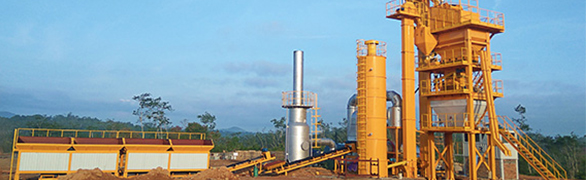
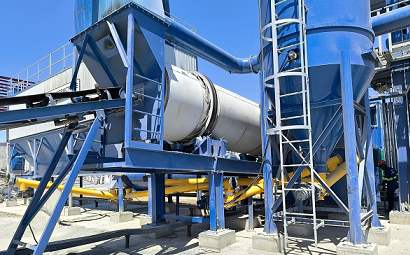
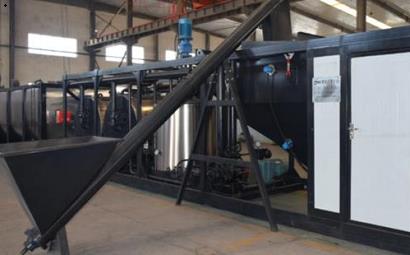
Asphalt mixing plants—also commonly referred to as asphalt mixing stations or hot-mix asphalt production equipment—are specialized industrial facilities used in road infrastructure construction. They primarily produce high-quality hot-mix asphalt mixtures and are widely used in various pavement projects, including highways, municipal roads, and airports. The equipment combines aggregates such as crushed stone, sand, and mineral powder with asphalt binder, mixing them in precise proportions under constant high-temperature conditions to produce wear-resistant, flexible, and long-lasting pavement materials.
For construction contractors, project managers, and infrastructure professionals, a thorough understanding of the performance, classifications, and key operating principles of asphalt mixing plants not only ensures a stable supply of asphalt mix and helps control construction costs but also fundamentally enhances the overall quality of pavement projects. This article will systematically explain the functions, operational processes, core components, equipment classifications, scope of application, advantages, and key selection criteria of asphalt mixing plants, providing a comprehensive overview of asphalt mixing equipment.
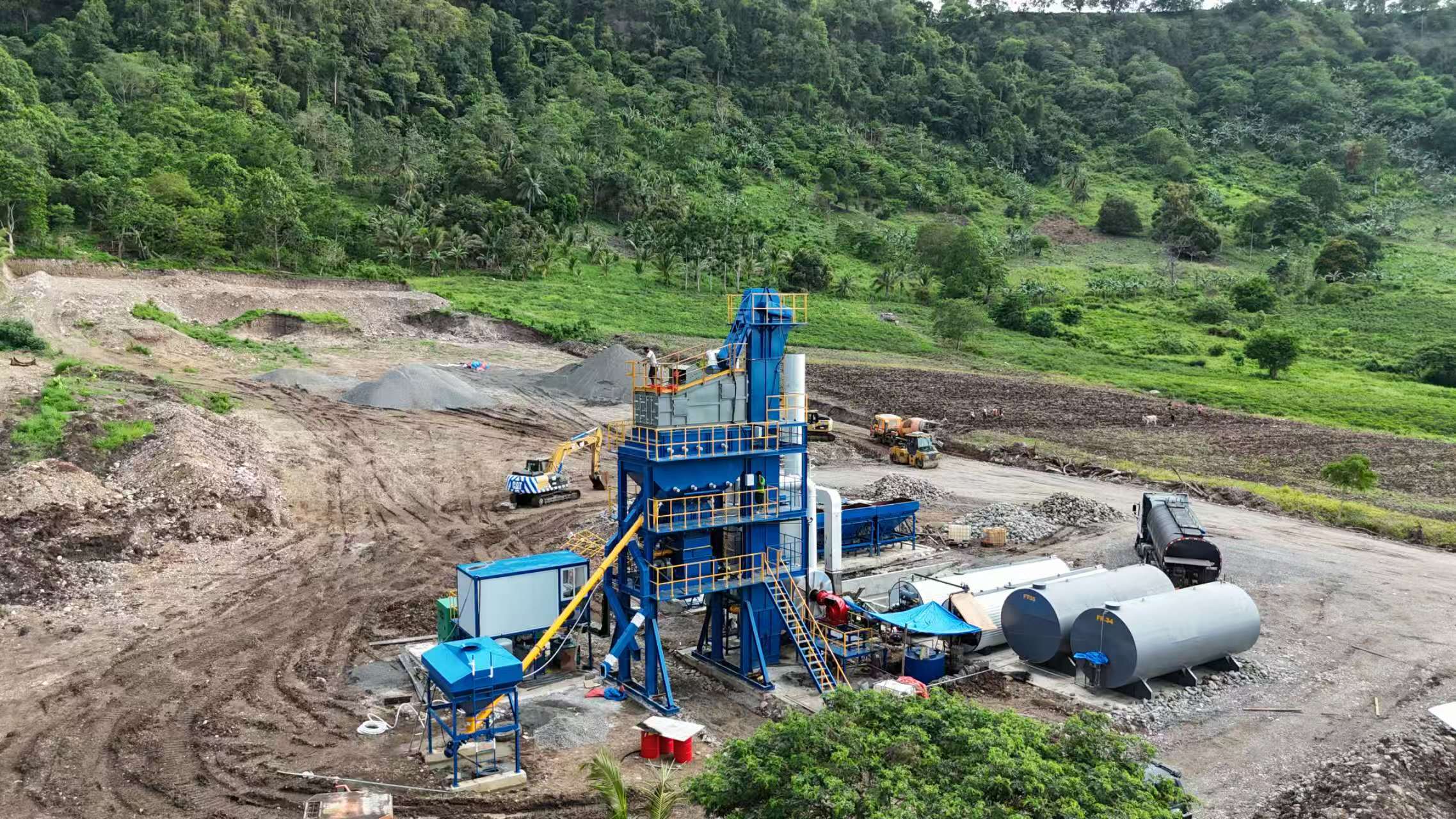
Asphalt mixing plants are a vital cornerstone of transportation construction and urban development. The construction and maintenance of the vast majority of expressways, urban and rural roads, airport runways, and urban road surfaces in China rely on the finished asphalt mixtures produced by these plants.
In large-scale infrastructure projects and construction in remote areas, the on-site deployment of asphalt mixing plants offers irreplaceable value. First, the equipment enables continuous, standardized production, ensuring a timely supply of materials and preventing project delays caused by long-distance transportation. Second, modern mixing plants support customized formulations, allowing for the preparation of specialized asphalt mixtures tailored to the engineering standards of different road surfaces; Finally, local production significantly reduces logistics costs and optimizes the overall project budget. The stable operation of the mixing plant directly determines the service life of the pavement, traffic safety, and the frequency of future maintenance, making it an indispensable piece of key equipment in road construction projects.
The entire production process of asphalt mixtures is automated, with temperature control, batching, and mixing strictly carried out in accordance with standards. The conventional production temperature is maintained between 150°C and 180°C, which not only removes moisture from the aggregates but also ensures the asphalt binder reaches its optimal working condition. The entire production process is divided into four major stages, with closely coordinated and standardized procedures:
Aggregates of different specifications—such as crushed stone, gravel, and sand—are stored separately in cold aggregate silos. The equipment precisely blends the various aggregates according to preset mixing formulas, then conveys them in an orderly manner via conveyor belts to the next process.
The aggregates are fed into a rotary drying drum, where they are continuously heated by a burner to thoroughly evaporate any internal moisture. This step is critical to production; residual moisture can severely compromise the structure of asphalt pavements. After drying and heating, the material reaches the required process temperature, preparing it for subsequent mixing.
The high-temperature aggregates enter the mixing unit, where asphalt and mineral powder are added in precise proportions. Recycled asphalt pavement material (RAP) can also be incorporated into the mix. An intelligent control system regulates the proportions of various raw materials to ensure that every batch of asphalt mixture has a uniform consistency. The incorporation of recycled materials also promotes resource recycling, making the process more environmentally friendly.
The freshly mixed hot-mix asphalt is transferred to an insulated storage silo for temporary storage to maintain the temperature required for construction; alternatively, it can be loaded directly onto trucks for rapid transport to the construction site. The entire system is equipped with a real-time monitoring system that dynamically adjusts various operating parameters to ensure stable production capacity and product quality.
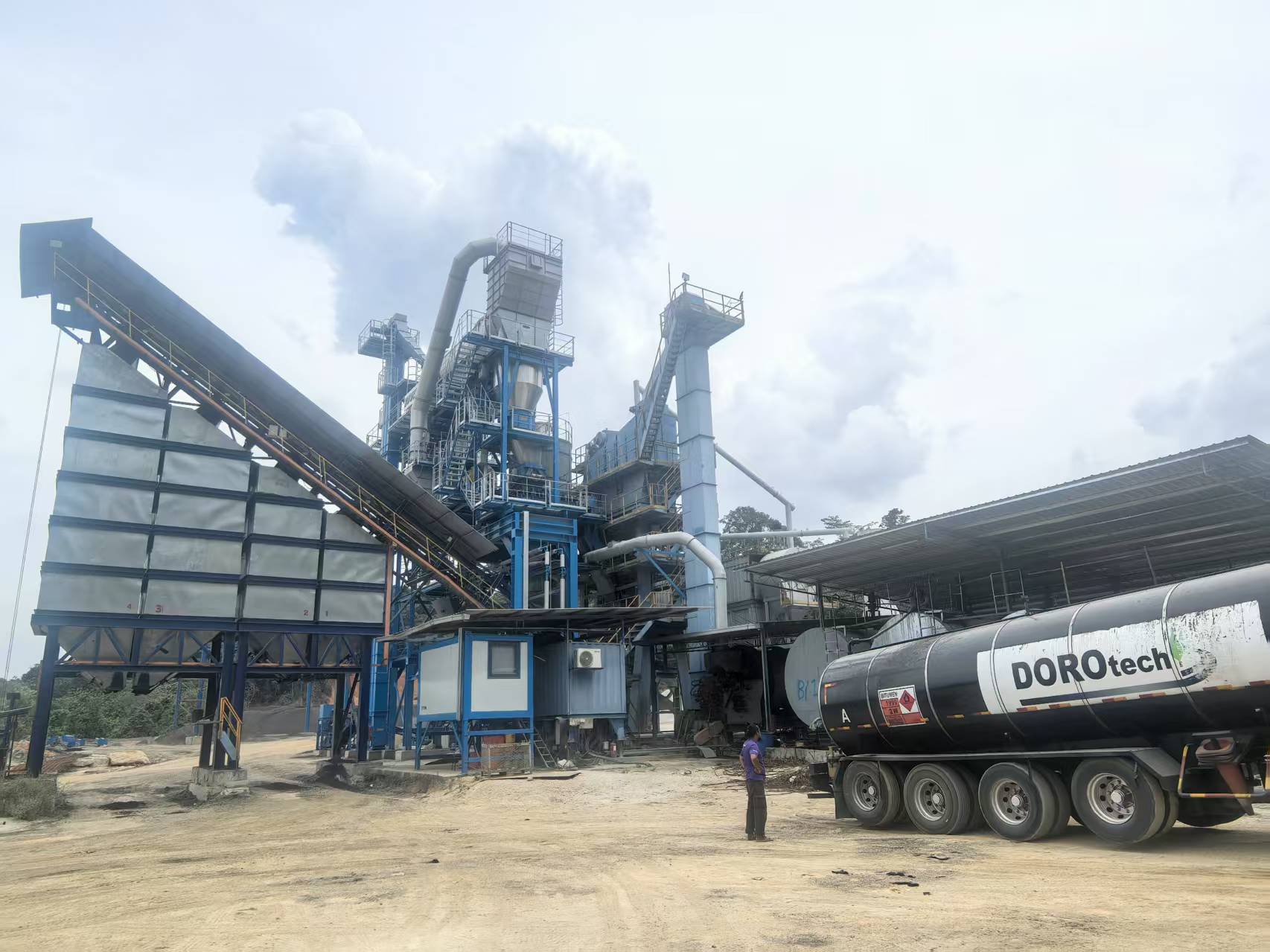
A standard asphalt mixing plant consists of multiple functional systems, with each component performing a specific role to ensure the equipment’s efficient and stable operation. The core components are as follows: Cold Aggregate Silos: Store aggregates of different specifications.
Cold Aggregate Bin: Stores aggregates of various sizes, enabling metered feeding and proportion adjustment; it serves as the first stage of raw material supply.
Conveying System: Responsible for transferring materials between processing stages, ensuring continuous operation of the entire production line.
Drying Drum and Burner: Core heating equipment that performs aggregate drying and temperature-raising operations.
Mixing Main Unit: The core unit of the equipment, responsible for mixing aggregates, asphalt, and fillers, which determines the quality of the finished product.
Asphalt Storage and Heating System: Maintains asphalt at a constant temperature, accurately meters, and conveys the asphalt feedstock.
Dust Collection and Environmental Protection Equipment: Primarily consists of baghouse dust collectors, which capture production dust, reduce exhaust emissions, and meet environmental protection requirements.
Hot Mix Storage Silo: Insulated storage for finished asphalt mix to prevent temperature drop from affecting construction performance.
Based on production mode, structural design, and mobility, the market is primarily divided into three major categories: batch-type asphalt mixing plants, continuous drum-type asphalt mixing plants, and mobile asphalt mixing plants. Different equipment is suited for different construction scenarios:
batch produced independently. This equipment offers high dosing accuracy and flexible recipe switching, allowing the mix proportions to be adjusted at any time according to project requirements. It is suitable for small- to medium-sized precision projects with high pavement standards and variable recipes, and is also the equipment of choice for high-end and specialty pavement construction.
Continuous Drum Mixing Plants
Also known as continuous asphalt mixing plants, these units integrate drying and mixing into a single, continuous process, enabling uninterrupted production. With high production capacity, low fuel consumption, and low operating costs, they are designed for high-volume, standardized production. They are primarily used in large-scale infrastructure projects—such as expressways and arterial roads—that have long construction periods and require a single type of material, effectively reducing the production cost per unit of material.
Mobile Asphalt Mixing Plants
Featuring an integrated design, these units can be quickly assembled and disassembled, are easy to relocate, and have a small footprint. Tailored for remote construction sites, short-term maintenance projects, and projects with frequently changing locations, they offer exceptional adaptability to various environments. They are widely used in road construction in remote overseas regions and emergency repairs of rural roads. Road projects in African countries such as Kenya extensively utilize mobile asphalt mixing plants, which can consistently produce high-quality asphalt mix even in challenging sites.
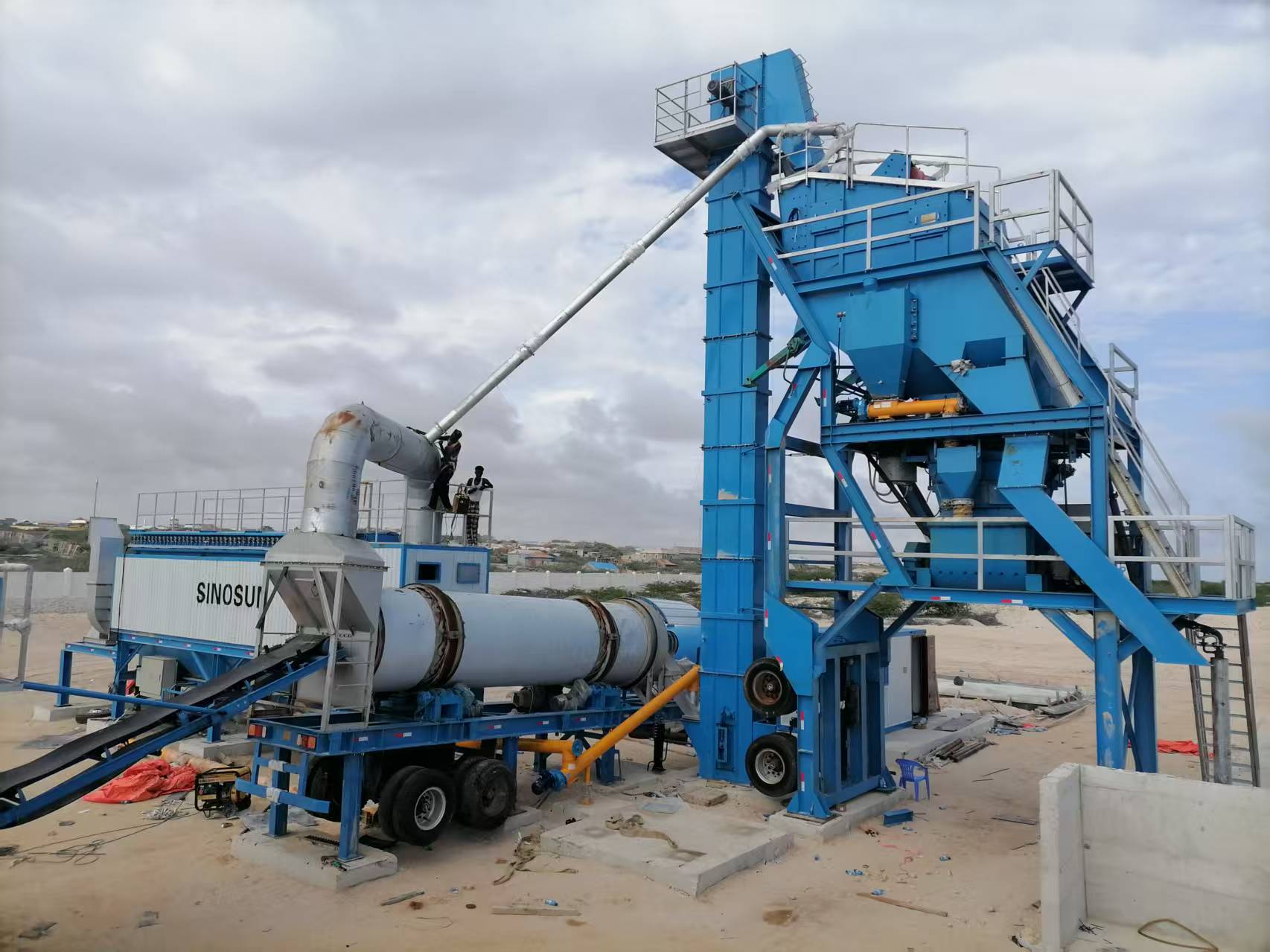
The hot-mix asphalt produced by asphalt mixing plants is used in all types of pavement projects, covering a wide range of applications: expressways, rural roads, urban main and secondary roads, and other road projects in Africa, where mobile asphalt mixing plants are extensively used.
Compared to traditional equipment, the new generation of asphalt mixing plants integrates automation and intelligent technologies, delivering comprehensive upgrades in performance, energy consumption, and environmental protection: Consistent Material Quality: The intelligent control system uniformly manages the core operations of the asphalt mixing plant.
Consistent Material Quality: The intelligent control system uniformly manages batching, mixing, and temperature control, ensuring uniform quality of the finished mix and effectively extending the service life of the pavement.
High Efficiency and Energy Savings: Optimized heating and mixing structures significantly increase production capacity while reducing fuel and electricity consumption, thereby lowering operating costs.
Environmentally Friendly: Equipped as standard with high-efficiency dust collection equipment, ensuring exhaust and dust emissions meet regulatory standards; supports the use of a high proportion of recycled asphalt, enabling the recycling of solid waste.
Simple Operation and Maintenance: Automated operation reduces labor requirements, and the equipment’s rational design makes daily inspections and maintenance straightforward.
High Adaptability: Flexible adjustment of mixing formulas ensures compliance with the technical specifications of various complex projects.
High Adaptability: Flexible adjustment of mixing formulas ensures compliance with the technical specifications of various complex projects.
Production Capacity and Project Scale: Select a mixing plant with the appropriate production capacity based on the project’s total material requirements and daily demand.
Mobility Requirements: Select stationary equipment for long-term, fixed construction sites; prioritize mobile mixing plants for short-term projects, frequent site relocations, or remote sites.
Batching Accuracy Requirements: Choose batch-type equipment for projects with high standards and multiple mix designs; select continuous-type mixing plants for high-volume projects with a single material composition.
Cost Budget: Make a rational selection by comprehensively evaluating the equipment purchase price, daily operating costs, and long-term maintenance expenses.
Environmental Compliance: Verify that the equipment’s dust removal and emission standards comply with local environmental regulations to avoid construction restrictions.
After-Sales Support: Prioritize brands that offer on-site installation, operator training, and genuine spare parts to ensure long-term, stable equipment operation.
Asphalt mixing plants are core equipment for road and infrastructure projects worldwide; every process, from raw material feeding to finished product discharge, directly impacts pavement construction quality. The three mainstream types of equipment—batch, continuous, and mobile—each have their own advantages and are suited for projects of different scales and operating conditions. Today, asphalt mixing equipment is continuously evolving toward intelligent, energy-efficient, and eco-friendly designs, better aligning with the development requirements of modern green construction.
Whether it’s a large-scale highway project requiring a high-capacity stationary mixing plant or a remote emergency repair project needing flexible, relocatable mobile equipment, selecting the right model based on specific project conditions is essential for improving construction efficiency, controlling project costs, and delivering high-quality pavement projects. If you have any needs regarding asphalt mixing plant selection or customized solutions, please contact us for one-on-one professional technical support and tailored solutions.