Global infrastructure driven by strong demand for asphalt mixtures, investment in asphalt mixing plant has become a popular asset-heavy B2B business project. The industry has a high threshold and is prone to losses due to capacity mismatch, environmental procedures, raw material costs and other issues. This paper combines domestic and foreign plant operations, complete disassembly of asphalt plant start-up process: market research, business planning, equipment and capacity selection, site selection, environmental approval, raw material supply chain, sales operations and expansion programs, with cost and profitability estimates and risk countermeasures, paving the way for enterprises and independent investors can be a direct reference.
So asphalt mixing plant for main business is the production of the hot mass asphalt mixture, warm mix asphalt mixture, external supply to the municipal units, road construction contractor, real estate development enterprise, this is a capital intensive building materials B2B industry, the vertical integrated business model this industry is generally, paving enterprises to build their own mixing station not only can self-consumption in order to reduce procurement costs, but also profit from the excess of the mixture sold outside, this is the industry‘s mainstream earning model.
The market divisions are batch mixing plant and continuous drum mixing plant, which the difference of production logic, applicable environment and profit are large that one should decide the type of equipment according to the type of local project in the early stage of building plant
The asphalt drum mixing plant manufactures Asphalt mixture by weighing bin and batch mixing it. It has very accurate aggregate, asphalt and mineral powder metering. Its features are high adaptability, quickly switching between ordinary asphalt, SMA modified asphalt and high dosage of recycled RAP mixture suitable for highway, airport, municipal pavement project. Advantage: Variety of mix types available, quality up to the same standard in all kinds of government tendering; the proportion of recycled materials is available to control; it‘s easier to apply.
Disadvantages: more expensive equipment to buy and to maintain, less efficient continuous mixing under the same tonnage than that of drum plant and higher number of operating technicians to be utilized.
Roller continuous mixing plant Drying and mixing can be achieved together by the drum, producing continuous flow of materials without stopping; less energy than other plants; lower work hour costs per ton (appropriate for single mixture, long distance and large scale highways construction).
Advantage: simple structure of the whole machine, high continuous production capacity, low production cost per ton;
Disadvantages: the mixture ratio debugging time is long, the high mixing RAP accuracy of the production of modified asphalt is not enough, which is difficult to meet the high standard of pavement tender requirements.
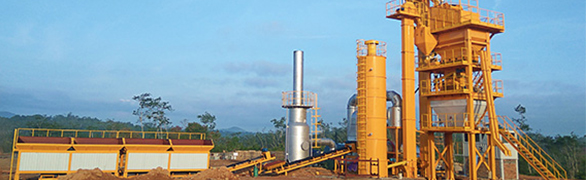
Meanwhile, according to its composition equipment is divided into: fixed mixing plant, suitable for fixed plant for the long-term stable market supply; mobile portable mixing plant, can be transferred quickly to other places, suitable for dispersed maintenance project, remote short-term projects and the investors of small and medium-sized light assets.
For asphalt plant what are four major revenue passages? To make it better in order to improve the profitable of asphalt plant generally.
Besides, our company is selling all kinds of asphalt mixtures to outsides, by ton. This activity is our main income sources. Market price is predicated on mixture types and regional raw material market prices. Normal matrix asphalt mixture price unit is between RMB 650-1200/ton and premium of modification, warm mix and high recycled materials is higher.
Our paving team can digest the mixture in the station, so that the external purchasing price differences is prevented, digestion capability is tuned stable, and idle machines are blocked, and China‘s excess capacity can be sold to the external markets, which doubled increases capacity utilization rate and gross profit margin.
Supporting value added services offer a fleet of mix transportation, technical guidance of pavement construction, recycling & processing services for waste asphalt pavement milling and thus broaden additional stable income.
Using large quantities of RAP waste recycled asphalt mixes can greatly reduce the purchasing cost of gravel and asphalt raw material, at the same time, the green production qualification can be prioritized to government environmental protection infrastructure project and win the bidding points.
Asphalt station a cost analysis: asphalt station costs are divided into fixed costs and variable costs , 70% -80% of operating costs are raw material costs, which is the core of profit control: Fixed costs: equipment depreciation, plant land rent, management salaries, plant insurance, environmental protection and operation and maintenance costs. As long as the equipment enter into operation, and not depending on any output all the time has been used up, only the increase of annual output can reduce the unit fixed costs.
Variable cost: Sand and Gravel aggregate, asphalt, fuel, water and electricity, equipment maintenance, front-line operator‘s salary, the more the output, the lower the unit variable cost.
Small and medium 120--160t/h concrete mixing plant‘s investment is between 2.5 million-5 million, include the equipment investment, land prearrange, environmental protection, the formalities, working expenses; industry overall gross profit rate of between 25%-35%, net profit rate of between 10%-15%, the single ton concrete net profit of between 50--120 Yuan; the project‘s different in the annual concrete output of between 40-60,000 ton in the break-even point, under a normal and stable operation cycle of 3-5 years for re back, high utilization rate of productiveness. There are exist the break-even point of the project is concrete mix of between 40,000--60,000 ton, normal stable operation cycle of 3--5 years for re back, in the case of high utilization rate, the fastest method of the single line investment 16 months recovered.
The core calculation formula; Break-even annual production = (total annual fixed expenditure) / [(selling price per ton of mix ) - (variable production cost per ton)]
Raw material price increases: asphalt is related to international crude oil price and the sand and gravel are increased because of mine control. Solution: the long term price lock supply agreement will be signed with suppliers, while the recycled RAP blending account should get as much higher as possible to minimize the consumption of raw material.
The limits of the seasonal suspension of construction capacity: cold winter, rainy season the road can not be paved, effective working days reduced, solutions: coordination in the construction of cold patch asphalt paving, asphalt orders with mobile equipment, expand southern market throughout the year.
The sources of enrivonmetal approval and residents complain Dust, odor, noise easily be triggered by the residents around the plant, so the approval cycle is very long, solution: the plant supports the full set of bag filter, Low nitrogen burner and full enclosedsilo, keeping away from people meeting area, reserving buffer isolation zone.
Leaching of capacity: few local projects, peer competition affect equipment idle factory, before buy into operation is completed, must carry out well-known market research, settle the government and enterprise long-term supply order in advance.
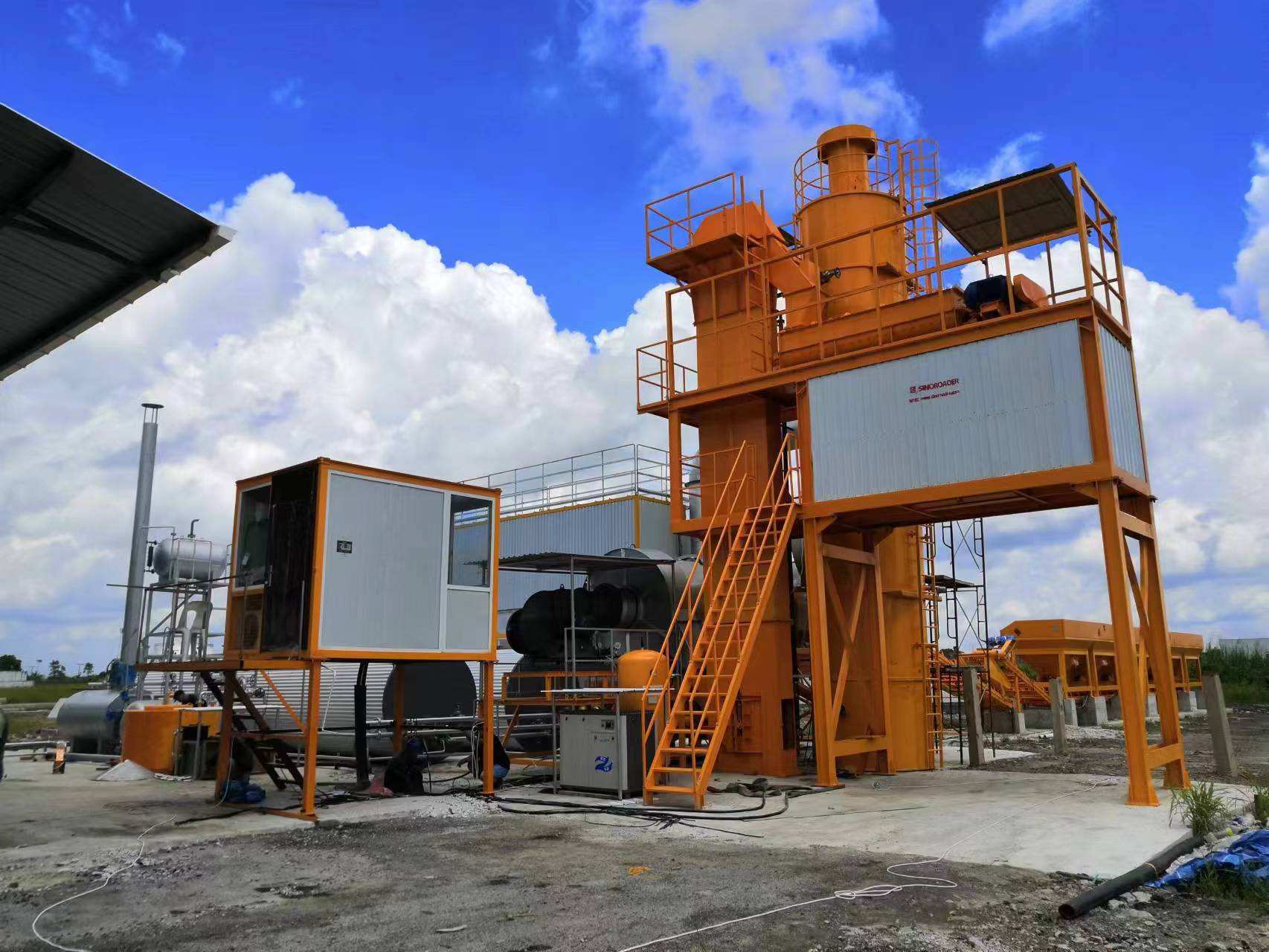
Global asphalt mixing equipment market size continues to grow steadily, 2025-2026 global asphalt mixing equipment market size of about 5.05-5.7 billion U.S. dollars, is expected to exceed 7.7 billion U.S. dollars in 2033, CAGR of 3.2%-3.55%; global asphalt raw material demand of more than 128 million tons per annum, the Asia-Pacific region accounted for 40% of the market share, China, India, Southeast Asia is the core region of growth.
Domestic market relying on national highway expansion, urban renewal, hardening of rural roads, airports and ports continued to expand the capacity of the domestic asphalt manufacturing industry, the overall revenue scale is huge, the provinces and cities continue to introduce medium- and long-term transportation infrastructure planning, a large number of stock of old roads into the maintenance cycle, maintenance of asphalt demand for the market accounted for more than 40% of the total market, the market has a rigid demand in the long term.
National infrastructure investment continues to land: the domestic provinces issued a ten-year transportation development plan, high-speed, provincial highways, urban and rural road network renovation projects continue to release tons of asphalt mixture demand;
Supporting demand for urbanization expansion: new roads, industrial parks, commercial parking lots, community supporting pavement construction, continue to generate stable small and medium-sized orders;
Road maintenance market outbreak: a large number of roads built over 10 years of service, pavement milling and resurfacing normalization, maintenance project orders scattered, stable payback, suitable for small and medium-sized asphalt station;
Green policy to promote the development of recycled asphalt: mandatory requirements for road projects around the mixing of recycled RAP mix, with recycled mixing plant has the exclusive bidding advantage, the cost of raw materials has dropped significantly.
Paving enterprise supporting self-built mixing plant: its own project to digest the basic capacity, surplus production for sale, the lowest risk, is the mainstream mode of the industry;
Regional green recycled asphalt processing plant: the main high dosage of RAP recycled mixture, warm mix asphalt, relying on environmental protection advantages to undertake the government's green special projects;
Mobile portable asphalt plant service providers: the main focus on county road maintenance, remote rural sporadic projects, the transfer of flexible, lower upfront investment;
Regional commodity asphalt supply plant: fixed large-scale mixing plant, long-term supply to all surrounding construction units, municipal unified supply, take the scale of the route of small profits and high sales.
Statistics of local infrastructure projects in the next 3-5 years the total asphalt demand, accounting for the average annual consumption of mixing tonnage;
Mapping the number of existing local asphalt mixing plants, equipment capacity, supply prices, the main cooperative customers, to determine whether the market is saturated;
Investigate the distribution of local gravel mines and asphalt refineries, and calculate the transportation cost of raw materials;
Visit local municipal transportation bureaus and large construction contractors to confirm the supply demand and bidding access standards;
Research local environmental protection department approval requirements, land and industrial land use policy, prejudge the construction procedures cycle and cost.
Investment in asphalt plant is a large amount of heavy asset investment, complete business plan is the core material for financing, environmental assessment approval, cooperation and investment, this paper takes the market mainstream 120-150t/h medium-sized sustainable mixing plant as a template, disassembles all the modules of the standard plan.
Briefly explain the project positioning: to build a set of intermittent asphalt mixing plant with regeneration RAP and warm mixing function in the region with high infrastructure demand, and supply environmentally friendly asphalt mixture for municipal and construction enterprises; mark the total investment amount, expected first-year production capacity, revenue, gross profit margin, payback cycle, and the core competitive advantages (local location, green production, and stable supply).
The type of business registration is recommended for limited liability companies to reduce investment risks; specify the location of the plant, equipment type (fixed intermittent mixing plant), production capacity of 120-150t/h; the scope of business includes asphalt mixture production and sales, pavement construction support, recycled asphalt recycling and processing, and mixture transportation services.
Integrate the previous market research data, including industry scale, total local demand, competitor analysis, SWOT analysis:
Advantages: new low-emission environmental protection equipment, high recycled material production capacity, plant close to the sand and gravel raw material base, exclusive local green mixture supply;
Weaknesses: large upfront investment capital, long cycle of environmental assessment approval, reliance on infrastructure project returns;
Opportunities: local highway network reconstruction, a large number of road maintenance projects, government encouragement of recycled building materials;
Threats: crude oil fluctuations push up asphalt prices, new peer-to-peer construction plants divert orders, tightened environmental protection policies increase operation and maintenance costs.
Medium-sized asphalt plant initial configuration of 10-20 employees: plant station manager, central control operators, equipment maintenance workers, sales clerks, laboratory quality inspection, logistics and administration; synchronization of environmental protection engineers, cost consultants, legal advisers as external professional consultants to provide regular guidance on compliance and cost control.
Core products: ordinary hot mix asphalt mix, modified SMA mix, warm mix asphalt mix, high mix recycled RAP mix; ancillary services: transportation and distribution of mixes, technical solutions for pavement proportioning, and recycling of waste pavement milling. Synchronized marking of various types of mixes market pricing range, cost differentials.
Target 2-5 long-term cooperative construction contractors to absorb the basic production capacity in the early stage, participate in the bidding of government transportation projects, expand local customers online and offline simultaneously, and set the target of production capacity utilization rate in 1-3 years after putting into operation (60%-70% in the first year, 80%-85% in the third year).
Detailed site planning, environmental protection equipment, equipment procurement and installation cycle, long-term raw material supply cooperation model, daily production scheduling, quality inspection process, equipment daily maintenance system.
The total investment is divided into: equipment procurement, land lease/purchase, plant construction, environmental protection equipment, formalities, working capital; the source of funds is divided into its own funds, bank loans for equipment, strategic partner investment, and clarify the proportion of each part of the funds and the use of nodes.
Make 3-5 years revenue, cost, profit, cash flow calculation table, mark the break-even annual output; sort out the risks of raw material price hike, idle capacity, environmental protection penalty, project payment delinquency, etc., and provide corresponding hedging solutions.
The appendix contains equipment manufacturers' quotations, site survey reports, raw material suppliers' letters of intent to cooperate, local infrastructure project planning documents, environmental assessment consulting organizations, and team members' resumes.
Combined with the project volume, local project type, capital budget, scientific selection of intermittent/drum, mobile/fixed mixing plant, to avoid long-term losses caused by equipment selection errors.
Scenarios suitable for intermittent mixing plant selection
There are many local high speed, airport and municipal high standard projects, which require frequent switching of various mix ratios; plan to focus on high dosage of recycled RAP and modified asphalt; participate in government tenders for a long time, with strict requirements on mix quality and precision; have a long term stable plant, and pursue long term comprehensive profit. Recommended mainstream 100-160t/h medium-sized intermittent equipment, suitable for most of the regional markets.
Suitable for continuous drum mixing plant scenario.
Mainly engaged in a single ordinary asphalt mixture, to undertake long national highways, large areas of the park unified paving project; limited budget, the pursuit of the lowest energy consumption per ton; no modified, recycled mixture production needs, a single type of project.
Fixed mixing plant: capacity 80-400t/h, can carry a full set of regeneration, warm mixing, dust removal package, long-term stable production, unit tons of operation and maintenance costs are lower; suitable for building factories to do regional commercial asphalt suppliers, own large-scale paving project enterprises.
Mobile portable mixing plant: capacity of 40-160t/h, modular trailer design, 3-5 days to complete the transfer of dismantling and assembly; suitable for road maintenance, scattered county small projects, multi-site mobile construction of small contractors.
RAP recycled material system: 30%-50% mixing ratio, greatly reducing the cost of raw materials, to meet the requirements of environmental protection bidding;
Warm mix asphalt production device: reduce heating energy consumption, reduce exhaust gas emissions, and extend the window period for low-temperature construction;
A full set of bag dust removal, low nitrogen burner: to meet the hard standards of environmental protection approvals around the atmosphere;
Fully-automatic intelligent central control system: accurate measurement, real-time monitoring of capacity, energy consumption, water content, reducing manual errors;
Multi-bin hot material storage silo: to ensure continuous material discharge, to avoid waiting for transportation trucks leading to capacity loss.
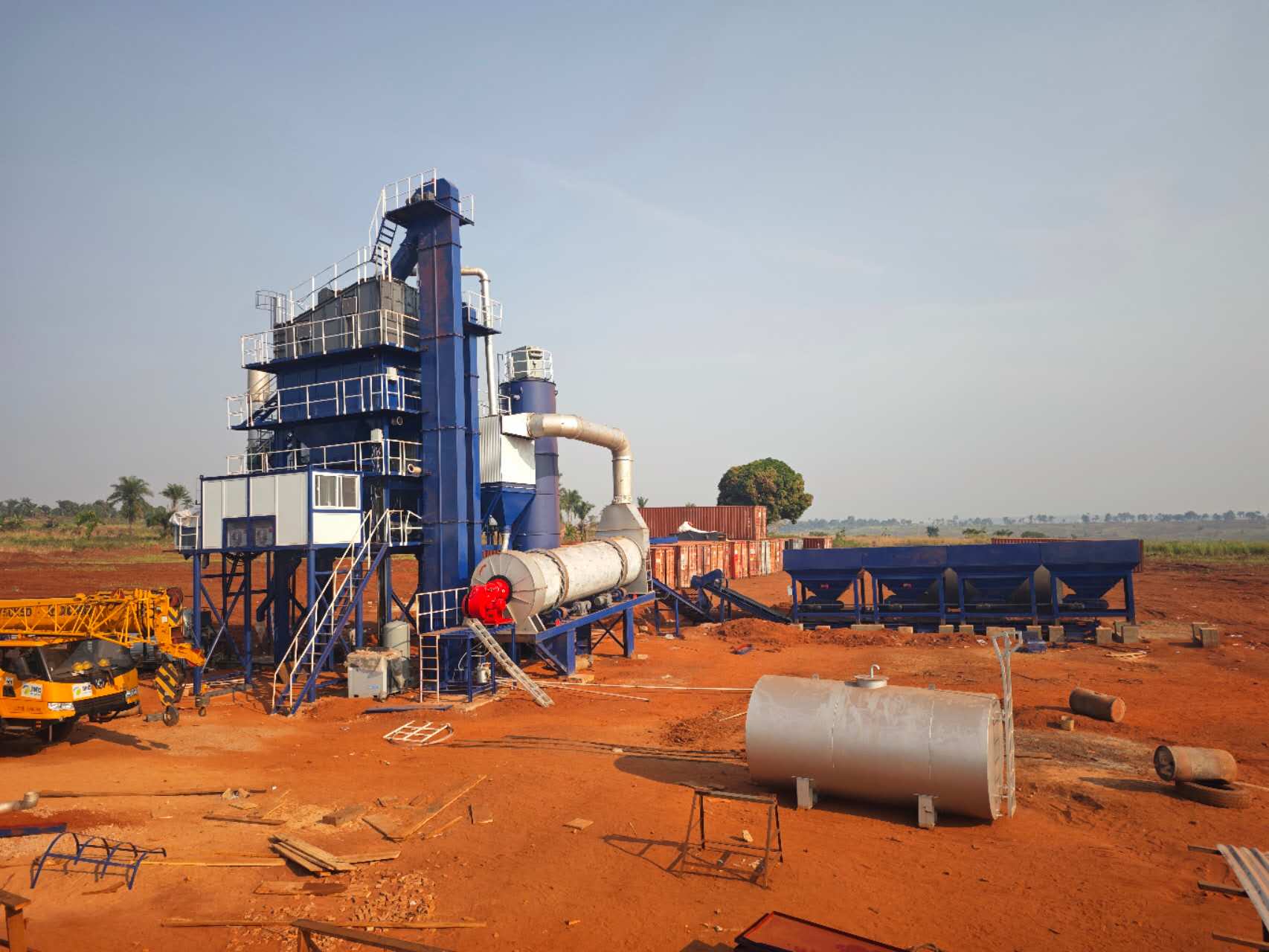
Capacity (tons / hours TPH) is the core indicator of equipment procurement, capacity is too large to cause waste of funds, insufficient capacity to undertake large-scale projects, need to be combined with the local annual output, the number of days of effective construction accurate calculation.
Take the central and southern infrastructure market as an example, the effective production days are 200-300 days per year, and the effective production hours are 8-10 hours per day; the actual stabilized output of the equipment is only 70%-90% of the rated capacity of the nameplate, and the humidity of the aggregate and the production of modified materials will further reduce the actual material output.
The equipment is rated 140t/h intermittent mixing plant, the actual material output is 110-125t/h under the comprehensive working condition; with 8 hours of effective production per day, it can produce 880-1250 tons of mixes in a single day; with 250 production days in a year, the annual output of mixes can reach more than 150,000 tons under the utilization rate of 70% of the production capacity, far exceeding the break-even point of 40,000-60,000 tons, and there is plenty of space for profitability.
Small-scale maintenance, county scattered projects: 40-100t/h mobile mixing plant, low investment threshold, flexible transfer;
City main roads, regional municipal projects (market mainstream): 100-160t/h intermittent mixing plant, taking into account capacity, flexibility and investment cost;
High-speed, large-scale ring road, long-term commercial asphalt plant: 200-320t/h fixed intermittent mixing plant, large-scale supply to dilute fixed costs;
Super-large single new road project: 240t/h or more drum continuous mixing plant, the pursuit of sustained high output.
Start-up projects are not recommended to directly purchase large-scale equipment over 200t/h, as the lack of orders in the early stage will lead to low utilization rate and loss of fixed costs;
The production of modified and recycled mixes should reserve 20% capacity to offset the decline in production caused by the lengthening of the mixing cycle;
Synchronization of matching transportation fleet capacity, to avoid sufficient capacity but not enough vehicles to transport materials, equipment idling production.
Site selection directly determines the cost of transportation of raw materials, the difficulty of environmental assessment approval, the radius of radiation of the service project, is a key link in the success or failure of the plant, the site selection needs to be synchronized to meet the six major conditions:
The plant is located in the hub of urban road network, near the entrance and exit of highway and provincial highway, covering most of the municipal and construction projects within 30-60 kilometers radius, which can shorten the transportation distance of the mixture, prevent the mixture from cooling and failure, and at the same time, reduce the transportation cost per ton.
Priority is given to plots of land with large sand and gravel mines in the surrounding 10-30 kilometers, as sand and gravel account for the bulk of the cost of raw materials, and shortening the transportation distance of can save hundreds of thousands of logistics expenses every year; synchronized with the proximity of asphalt refineries and fuel supply sites to ensure the stable distribution of raw materials.
The land must be industrial land/heavy industry-compatible land with an area of 10-50 acres, level and open, so that gravel silos, equipment foundations, asphalt storage tanks, finished product silos can be built; far away from residential areas, schools, hospitals, and enough isolation buffer zones are reserved, so as to avoid complaints from residents and impede the approval of the environmental impact assessment.
The site has a perfect rainwater drainage channel, which is convenient for the construction of rainwater collection and sedimentation facilities; the power load is sufficient to meet the electricity consumption of high-power drying and mixing equipment of the mixing station; the site is in good hardening condition, which is convenient for the construction of a fully enclosed rainproof aggregate silo to control the moisture content of aggregate and stabilize the production capacity of the equipment.
The main road of the site is accessible to heavy dump trucks, with unlimited height, weight and traffic restriction policies, so as to avoid obstruction to the entry and exit of material trucks and finished product mixing trucks, resulting in idle capacity.
Priority is given to local infrastructure support, environmental protection approval process simplification of the region; avoid saturated asphalt stations around the 30-kilometer pile up area, to reduce the low-priced vicious competition.
Asphalt plant belongs to the key industries regulated by the atmosphere, the formalities cycle of 6-12 months, without the completion of the approval of the commissioning of the production will face shutdown, high fines, the complete compliance process is as follows:
Verification of the land use nature of the parcel and application for industrial land use filing with the Natural Resources Bureau;
Approval of general layout planning scheme of the plant and planning permission for construction works;
Building permit for civil and equipment foundation construction of the plant.
Commissioning a third-party environmental protection organization to prepare an environmental impact assessment report;
Supporting bag dust removal, low nitrogen burner, fully enclosed silo, exhaust gas collection system to meet regional air emission standards;
Submitting to the Ecological Environment Bureau for an air emission license, completing equipment exhaust gas testing and acceptance of stack dust control;
Daily regular exhaust gas monitoring, ledger records, and submit the environmental emission annual report on time.
Prepare stormwater pollution prevention program (SWPPP), construct sedimentation tanks and interceptor ditches to avoid direct discharge of gravel and asphalt wastewater;
Oil and water storage tank seepage prevention, cofferdam protection, and apply for the record related to the storage of hazardous chemicals;
Implement SPCC anti-leakage program, set up secondary anti-seepage cofferdams for asphalt and fuel oil storage tanks to prevent liquid leakage from polluting soil groundwater.
Business registration of limited liability company, tax registration, bank account;
Special operators are licensed (central control operators, equipment maintenance workers), OSHA safety management system is implemented, and high-temperature protection labor insurance products are equipped;
Hazardous waste and used parts are stored and disposed of in a standardized manner in the plant, and the EPCRA hazardous materials account is completed;
Transportation vehicles should apply for heavy-duty and over-limit transportation permits.
A full set of EIA, planning, sewage permit procedures for the cycle of 6-12 months, consulting, testing, reporting comprehensive cost of 5-20 million; if the land is less than the standard isolation distance from the residential area, need to re-site, be sure to hire environmental protection engineers to conduct on-site surveys in the early stage.
Equipment is the core fixed assets of the project, the quality of equipment directly determines the production capacity, energy consumption, maintenance costs, procurement priority screening with road machinery production capacity of a full set of formal factories.
Sinoroader: Sinoroader specializes in a full range of asphalt mixing plant and regeneration equipment, covering mobile, fixed, intermittent and drum models, adapting to the environmental standards of various places in China, with after-sales outlets covering the whole country, with outstanding cost-effectiveness, and providing a full set of one-stop services of plant planning, installation and commissioning, and operator training for domestic start-up investors.
European and American brand Ammann: high-end intermittent mixing plant, metering accuracy, energy saving, regeneration technology industry's top, suitable for large-scale enterprises with sufficient budget and high-end high-speed projects, with high equipment procurement costs.
ALmix, Gencor: North America mainstream equipment brands, suitable for overseas plant construction, high degree of equipment automation, supporting warm mixing, low emission system.
Define the procurement parameters: rated capacity, batch/drum, mobile/fixed, RAP regeneration mixing ratio, warm mixing device, environmental protection and dust removal, automation control system;
Simultaneously contact 3-4 manufacturers to issue a complete quotation, which includes the equipment body, transportation, installation, commissioning, 1-3 years warranty, operator training;
Visiting the local mixing plant of the same brand in the field to inspect the actual capacity, energy consumption, failure rate and after-sales response speed;
The contract is labeled with after-sales parts supply cycle, 24-hour emergency maintenance service, and equipment upgrading and transformation support;
Evaluation of 90% new original refurbished equipment can significantly reduce the upfront investment, and third-party mechanical engineers are required to test the working conditions of the equipment.
Equipment order production, logistics and transportation, plant foundation construction, installation and commissioning of the whole machine, environmental acceptance of the overall cycle of 6-12 months, the need for environmental assessment and land procedures to synchronize the promotion, compression of the overall cycle of plant construction.
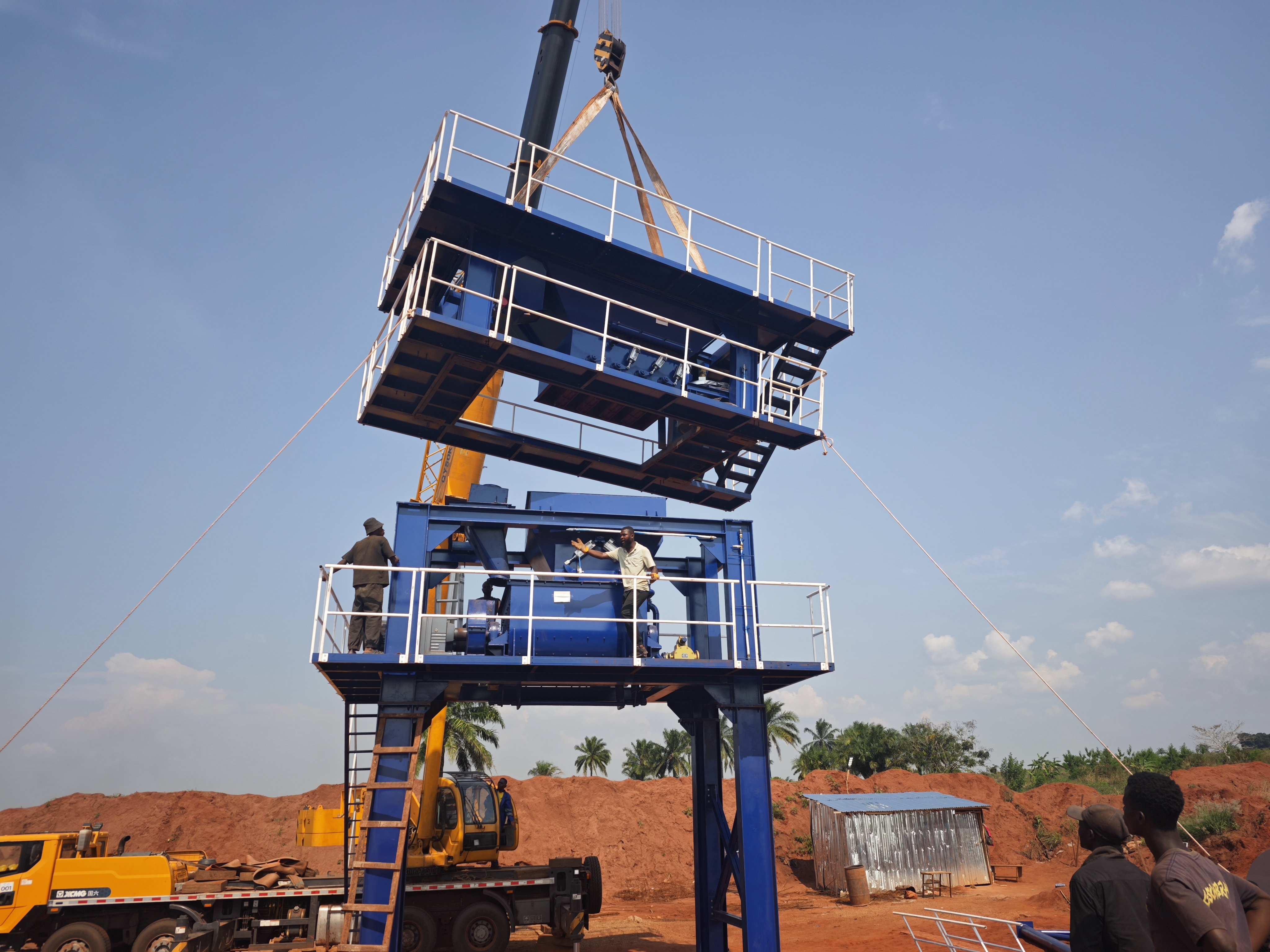
Raw materials account for 70% -80% of operating costs, supply chain stability, low prices is to enhance the core of the profit, the four core raw materials supporting programs:
Local 2-3 large limestone mines signed a long-term supply agreement for 1-3 years, agreeing on the ladder purchasing price, and the larger the consumption, the lower the unit price;
Different specifications of crushed stone and sand are stacked in different bins, and closed rain-proof shelters are built to control the moisture content of aggregates and ensure the full capacity of the equipment;
Setting up laboratory in the factory, testing grading and mud content of each batch of sand and gravel, and rejecting unqualified raw materials, so as to avoid the bidding of substandard mixture.
Docking local refinery asphalt storage site, more than 2 suppliers decentralized procurement, hedge against the risk of crude oil price increases;
The plant is equipped with insulated and heated asphalt storage tanks to ensure year-round liquid storage;
According to the local climate, select the corresponding grade of modified asphalt, and reserve low-priced asphalt inventory in advance for the off-season.
Long-term cooperation with local paving construction teams, municipal maintenance units, recycling road milling waste asphalt;
Pile up the waste recycled materials in different areas, sieve and classify them, control the content of impurities, stabilize the mixing ratio of 30%-50%, and save a lot of gravel and asphalt consumption per ton of mixture.
Natural gas, diesel dual-fuel burner configuration, long-term contract signed for gas and oil supply to lock the price;
And equipment manufacturers, local machinery parts dealers to establish a standing inventory of spare parts to reduce equipment failure downtime, to ensure stable production capacity.
Asphalt mix belongs to B2B heavy building materials, the core of sales is long-term government-enterprise relations, stable supply performance, differentiated green product advantages, online and offline channels to expand customers.
Core customers: local large-scale paving construction enterprises, signing annual guaranteed supply contracts, locking the basic production capacity and guaranteeing the minimum profit and loss production;
Government customers: Transportation Bureau, Housing and Construction Bureau, townships and municipal units, participate in official bidding, large orders, stable payback;
Scattered small and medium-sized customers: small maintenance teams, real estate park developers, to fill the idle capacity and improve the overall utilization rate.
Set up a full-time sales team to visit construction units and transportation authorities to provide mix proportioning solutions and on-site trial samples;
Join local road construction industry associations, participate in industry exhibitions and engineering bidding Q&A sessions to dock industry resources;
Regularly open the factory to visit, invite contractors and engineers to inspect the equipment and recycled environmental protection production line on the spot to build up trust;
Deeply bind 2-4 construction enterprises to reach vertical cooperation, give priority to supplying all projects of the other party, and synchronize the recycling of the other party's milling RAP waste.
Build the official website of the enterprise, layout local keywords: XX city asphalt mixture supply, local recycled asphalt mixing plant, road construction asphalt, optimize local SEO, and undertake online consultation;
Publish videos on short video platforms of plant production, road construction cases, and cost advantages of recycled materials to attract local construction bosses to consult;
Improve the map merchant store, labeling the factory address, contact phone number, mix category, local customers search can directly navigate into the factory.
Mainly focus on high mixing regeneration RAP, warm mix low carbon mixture, green qualification can be in the government bidding to get extra points; commitment to stable delivery time, own transportation fleet, 24-hour emergency production, to solve the peer supply delay pain points; provide free technical support for the mixture laboratory proportioning, to enhance customer adhesion.
After the project is stabilized and profitable, it will expand steadily in three stages, upgrading from a small single plant to a leading regional building materials enterprise.
The core objective is to increase the capacity utilization rate to 75%-85%, optimize the mixing ratio of recycled materials, and reduce the energy consumption per ton of production; to stabilize the local core contractors to ensure positive cash flow; to improve the supporting facilities of the plant, expand the hot material silo and the recycled material stacking site, and to increase the maximum output of materials per day.
Add new mobile asphalt mixing plant to undertake decentralized maintenance projects in neighboring counties to expand service radius;
Expand vertical paving business, set up its own small paving construction team, undertake road projects on its own, and digest the mixture in the plant;
Upgrade the plant's environmental protection and intelligent equipment to build a regional green asphalt demonstration plant, and undertake more government green special large orders;
Expand recycled aggregates, cold patch asphalt and other derivative products to enrich revenue channels.
Build a second stationary mixing plant in the neighboring high-growth districts and counties to form a multi-plant supply network;
Merging and acquiring local small-scale asphalt mixing plant and gravel mining enterprises to open up the upstream and downstream industrial chain and further compress the cost of raw materials;
Expanding the whole chain infrastructure business: integration of earthmoving, concrete and road construction to enhance the overall revenue scale;
Long-term planning: docking large building materials group mergers and acquisitions and cooperation, or continue to expand the scale to create a regional independent building materials leader.
Starting an asphalt mixing plant is a heavy asset infrastructure project, stable earnings but high compliance threshold. Landing needs to be promoted according to the process: first research local demand estimation of the appropriate capacity, prepare a business plan; complete the site selection, environmental assessment and land procedures, choose the right mobile/fixed, intermittent/roller equipment; build a stable supply chain of sand, asphalt, recycled materials, online and offline customer lock single. Operation strictly control the cost of raw materials, the use of recycled materials to form a competitive advantage, to avoid the risks of raw material prices, idle capacity, environmental fines, payback lag, etc., set aside working capital, signed a long-term supply contract. Later on, we can add mobile equipment, integrate paving business, and expand revenue with multiple plant layout.