| Aspect | Mobile/Portable | Stationary |
| Mobility | High (frequent relocation) | Low (fixed location) |
| Setup Time | Quick, minimal foundations | Longer, requires substantial foundations |
| Capacity | Lower (typically <200 TPH) | Higher (often 160–400+ TPH) |
| Best For | Temporary/remote projects, short runs | Large, long-term projects |
| Cost | Lower initial investment, transport savings | Higher upfront, but efficient at scale |
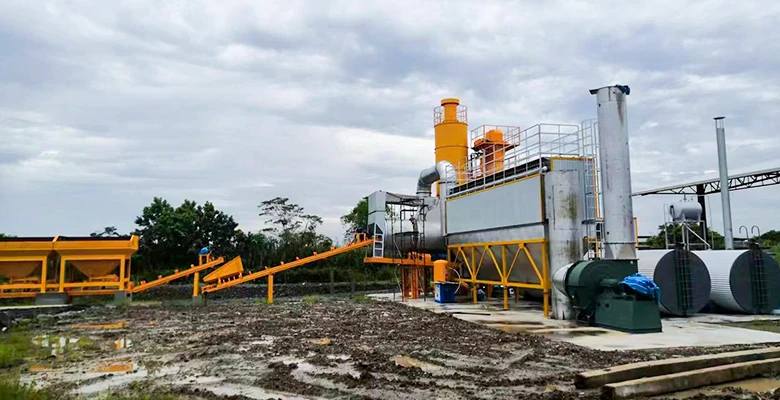
| Aspect | Stationary | Mobile/Portable |
| Mobility | Low (fixed location) | High (frequent relocation) |
| Setup Time | Longer, requires substantial foundations | Quick, minimal site preparation |
| Capacity | Higher (160–400+ TPH) | Lower (typically 20–240 TPH) |
| Best For | Large, long-term projects | Temporary/remote/short-run projects |
| Efficiency | Higher for continuous high-volume output | Good for flexibility and on-site production |
| Cost | Higher upfront, lower long-term per ton | Lower initial for portability |
| Aspect | Mobile / Portable Asphalt Plant | Stationary / Fixed Asphalt Plant |
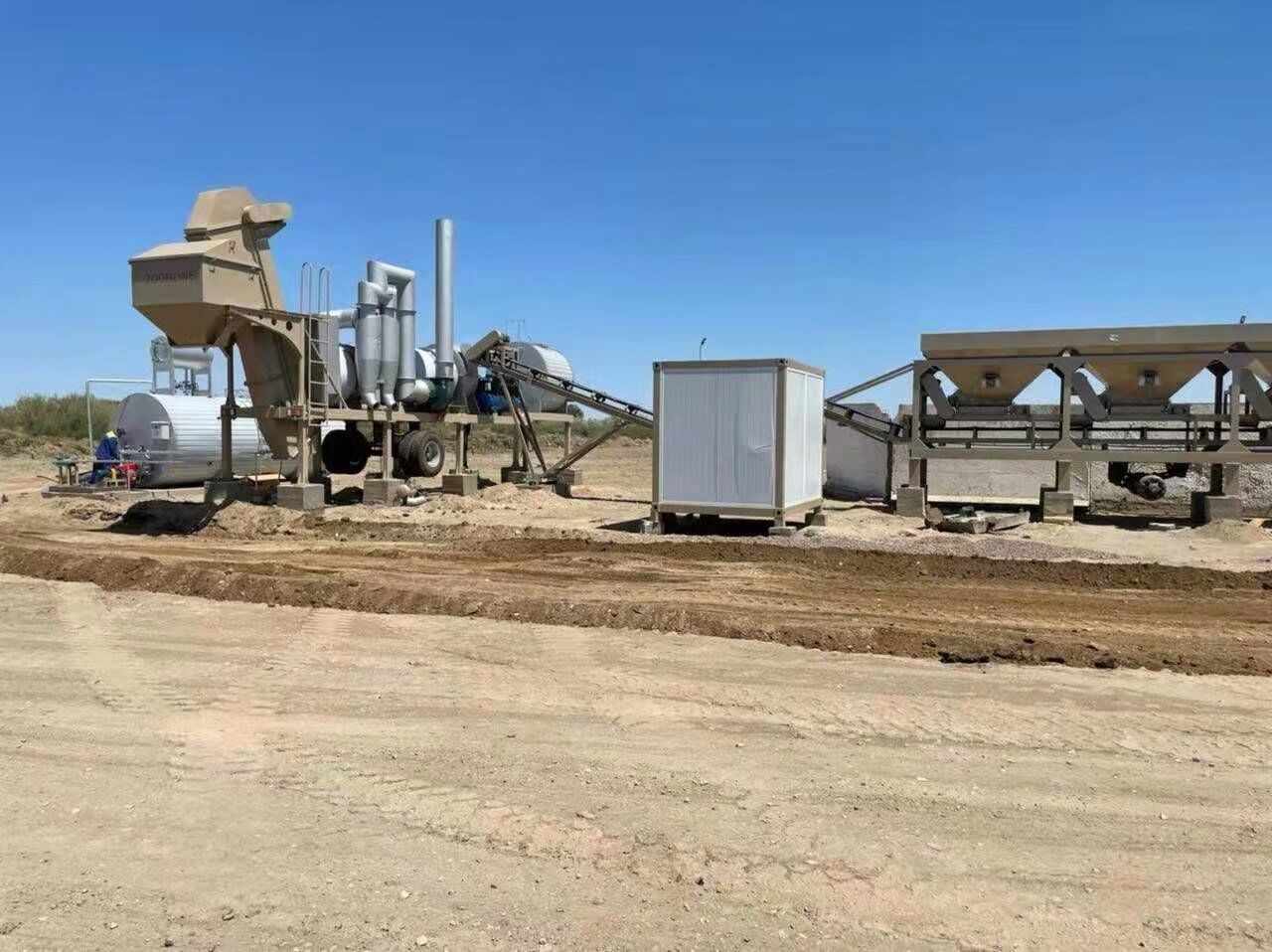
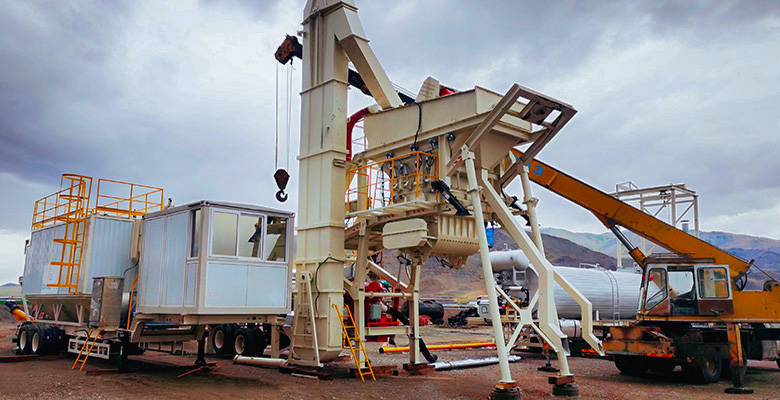
| Mobility | High: Mounted on trailers/chassis; easily transported and relocated frequently. | Low: Permanently installed at one site; relocation is rare and complex. |
| Setup / Installation | Quick (hours to days); minimal or no heavy foundations needed. Pre-wired and compact. | Longer (weeks); requires substantial civil foundations and site preparation. |
| Production Capacity | Typically 20–240 TPH (often 40–120 TPH common). Suitable for smaller runs. | Higher: 160–400+ TPH. Optimized for large, continuous output. |
| Footprint / Space | Compact; smaller site requirements; good for confined or temporary locations. | Larger footprint; needs more space for components, silos, and storage. |
| Initial Investment | Lower upfront cost; attractive for small contractors or short-term projects. | Higher capital investment due to size, foundations, and robust build. |
| Operating Costs | Can be higher long-term due to frequent moves and transport; lower for short projects. | Lower per-ton costs over time for high-volume, continuous operation. |
| Mix Quality & Flexibility | Good, especially batch types; but may have limitations on complex recipes or very high specs. | Excellent precision (esp. batch plants); highly customizable for varying mix designs. |
| Best For | Temporary/remote/short-duration projects, rural roads, maintenance, urgent jobs, multiple sites. | Large-scale, long-term infrastructure (highways, airports, urban networks). |
| Material Transport | On-site production reduces haul distances and keeps mix hotter. | Mix hauled from central location; logistics critical for distant sites. |
| Maintenance | Simpler in design but affected by frequent disassembly. | More complex systems but stable; easier long-term access in fixed setup. |
| Environmental/Regs | Often lower emissions due to smaller size; easier permitting for temporary use. | Advanced pollution controls possible; may face stricter requirements for permanent sites. |
| Aspect | Mobile / Portable | Stationary / Fixed |
| Typical Price Range | $50,000 – $1.2M (most common: $200K–$600K) | $130,000 – $5M+ (most common: $500K–$2M+) |
| Small Capacity (20-80 TPH) | $50K – $300K | $130K – $600K |
| Medium (80-160 TPH) | $200K – $600K | $500K – $1.5M |
| Large/High-Capacity | Up to $1.2M (rarer for true mobile) | $1M – $5M+ |
| Key Cost Drivers | Trailers/chassis, quick-setup design (+20-40% premium over equivalent stationary) | Foundations, larger structures, advanced systems |
| Scenario | Best Choice | Why? |
| Small-scale / Short-term projects (e.g., rural roads, driveways, parking lots, maintenance & repairs) | Mobile | Quick setup (hours to days), lower initial cost, on-site production reduces hauling. Ideal for temporary or scattered work. |
| Large-scale / Long-term projects (e.g., major highways, airports, urban infrastructure) | Stationary | Higher capacity (160–400+ TPH), better efficiency, lower per-ton costs, superior consistency for sustained production. |
| Remote, rural, or difficult terrain (e.g., mountainous, island, or hard-to-access areas) | Mobile | Easy transport, minimal site prep, reduced mix hauling distances in challenging logistics. |
| Urban or space-constrained sites | Mobile (or compact stationary) | Smaller footprint and easier permitting for temporary use; mobile batch types offer precision where needed. |
| Frequent relocation / Multi-site contracts | Mobile | Designed for repeated moves with low downtime; perfect for contractors shifting between jobs. |
| High-spec / Precision mixes (e.g., highways, airports, varying recipes) | Stationary Batch (or Mobile Batch if mobility needed) | Excellent control and flexibility for complex formulations. |
| High-volume continuous production (consistent standard mixes) | Stationary Drum | Optimized for long runs and economies of scale. |
| Budget-constrained or startup contractors | Mobile | Lower upfront investment and setup costs; good ROI on shorter projects. |
| Centralized supply for multiple nearby sites | Stationary | Efficient large output with logistics planning for haul distances. |
| Aspect | Mobile / Portable Asphalt Plant | Stationary / Fixed Asphalt Plant |
| Mobility | High: Trailer-mounted, easy transport and frequent relocation. | Low: Permanently installed; relocation rare and costly. |
| Setup / Installation Time | Fast (hours to 1–3 days); minimal foundations, often pre-wired. | Longer (weeks); requires substantial foundations and site prep. |
| Production Capacity | Typically 20–240 TPH (common: 40–120 TPH). | Higher: 160–400+ TPH, optimized for continuous high output. |
| Footprint / Space Needs | Compact; smaller site requirements. | Larger footprint; needs more space for components and storage. |
| Initial Investment | Lower ($50K–$1.2M, often $200K–$600K for common sizes). | Higher ($130K–$5M+, often $500K–$2M+); plus foundations. |
| Long-Term / Per-Ton Costs | Higher for continuous use; savings on mix hauling. | Lower per-ton costs due to scale and efficiency over time. |
| Mix Quality & Flexibility | Good (especially batch types); suitable for most projects. | Excellent precision, especially batch; ideal for high-spec mixes. |
| Best For | Short-term, remote, multi-site, rural, maintenance, urgent jobs. | Large-scale, long-term infrastructure, highways, airports, urban. |
| Material Logistics | On-site production reduces haul distances and keeps mix hotter. | Central location; requires efficient trucking to sites. |
| Maintenance | Affected by transport wear; simpler overall. | More complex but stable in fixed setup. |
| Service Life | Good for flexible use; 10–15+ years typical. | Longer (15–25+ years) due to robust build. |
| Environmental / Permitting | Easier for temporary sites; often lower emissions footprint. | Advanced controls possible; stricter requirements for permanent sites. |
| Market Share (approx.) | ~35–40% (faster growing segment). | ~60–65% (dominant for high-volume). |