
Standardized maintenance of asphalt mixing plant is the core means for road construction enterprises to reduce costs and increase efficiency, and systematic maintenance can extend equipment life, reduce downtime loss, stabilize the quality of the mixture, and meet the requirements of environmental emissions. This paper focuses on the maintenance mode, finishing the day / week / month / seasonal full set of overhaul process, dismantling the drying drum, burner, bag duster and other core components of the maintenance points, summarize the high-frequency failure solutions, with a full set of maintenance and safety standards, suitable for asphalt mixing plant manager, equipment operation and maintenance, construction contractors to refer to study.
Why Asphalt Mixing Plant Maintenance Matters
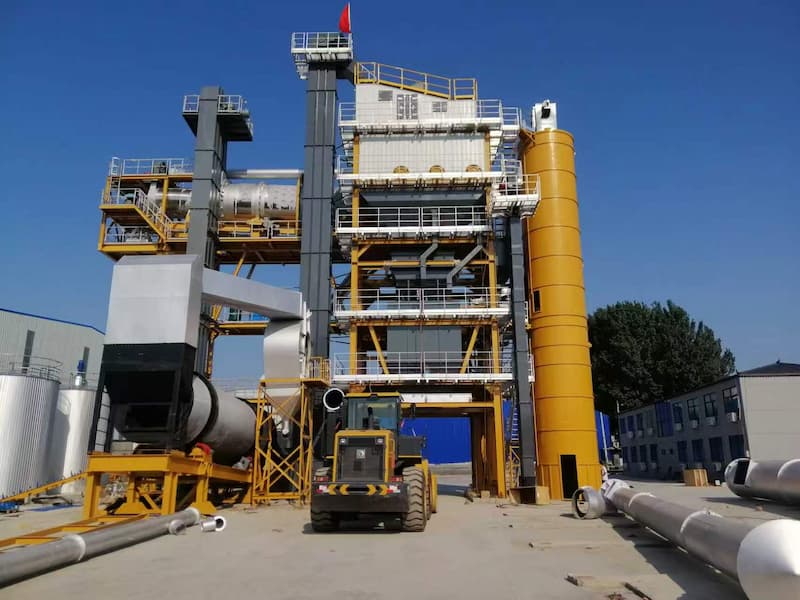
Asphalt mixing plant is the core of the road infrastructure heavy equipment, complex structure, high procurement costs, long-term in high temperature, dust, heavy wear conditions, is the core fixed assets. Most of the construction units have the misunderstanding of heavy production and light maintenance, which may cause accelerated aging of equipment components. Standardized daily maintenance through regular lubrication, replacement of wearing parts, cleaning up the accumulation of material, anticorrosion maintenance and other operations, can effectively slow down the wear and tear of core components such as drums, mixing arms, belts, etc., and extend the overall service life of the equipment by 3-5 years, avoiding huge losses such as wear through the cylinder and scrapping of the whole machine, and significantly delaying the large amount of capital investment for the replacement of the equipment.
Lack of regular maintenance can easily lead to hidden failures, resulting in sudden shutdowns during the peak construction season, causing high costs such as capacity loss and schedule delays. Systematic preventive maintenance is centered on daily inspection and planned overhaul during off-season, which can detect hidden problems such as pipe leakage, weighing deviation and bearing noise in advance, and completely reduce unplanned downtime. Stable working condition of the equipment can guarantee the continuous operation of the mixing plant at full capacity, ensure the delivery of the project on schedule, eliminate all kinds of losses brought by schedule defaults and capacity interruptions, and significantly improve the overall production efficiency.
Wear and tear of equipment, parameter calibration failure, and blockage of pipe accumulation will cause uneven drying of the mixture, imbalance of oil/stone ratio, and substandard mixing, and the poor-quality mixture will easily lead to cracks and potholes on the road surface, which will increase the cost of repair in the later stage. Normalized maintenance can ensure accurate weighing, uniform heating and mixing of equipment, control the quality of finished materials from the source, improve the quality and durability of road construction, reduce the waste of materials and rework loss, and stabilize the construction reputation of the enterprise.
Standardized maintenance can optimize the operating conditions of the equipment, perfect sealing, lubrication, combustion system can reduce fuel consumption by about 10%, simultaneously reduce power, consumables loss, compression of comprehensive operating costs. At the same time, there are multiple safety risks such as high temperature, high pressure and spontaneous combustion of dust in the mixing plant, and regular maintenance can prevent safety accidents caused by equipment breakage. Normalized maintenance dust removal, combustion system, can stabilize the exhaust gas, dust emissions, to avoid environmental fines, shutdown and rectification of the risk of green and safe production.
Industry mixing plant maintenance is divided into 6 categories, different modes can be used with a combination of different modes, there is no single optimal program, the enterprise needs to combine the equipment capacity, the proportion of recycled material mixing, annual production hours, site environment to develop a mixed maintenance system.
Clean up the material accumulated on the surface of the equipment, visually inspect the abnormal noise/leakage/odor of the whole station, add grease to the transmission parts, check the level of oil, calibrate the safety protection devices, and clean up the floating dust on the surface of the drums, burners and filters.
Frequency: once at the beginning and once at the end of each production shift.
According to the time cycle or the number of hours of equipment operation to develop a planned maintenance, advance the replacement of wear parts, calibration equipment, from the root to avoid failure, is the majority of mixing plant used in the core maintenance system. It greatly reduces the probability of sudden downtime, balances the cost of spare parts and labor, and is suitable for most conventional mixing plants.
It belongs to the sub-division of preventive maintenance, emphasizing more on fixed calendar cycle maintenance, prioritizing in low production and production stoppage, and focusing on high wear components. Overhaul of the whole machine, in-depth cleaning of tanks, large-volume replacement of wear parts, a single overhaul cycle of 4-6 weeks.
Applicable equipment: drying drum blades, dust bag, regeneration material system and other components with fast wear rate and long downtime for maintenance.
Relying on digital and intelligent equipment data to predict failures, it no longer relies solely on fixed-cycle maintenance, and is mostly used in large-scale fully automatic intelligent mixing plants. It reduces meaningless dismantling and overhauling, and accurately predicts the failure time of bearings, motors, drums and other valuable parts, thus greatly saving labor and parts loss.
It is a subdivision of predictive maintenance, where maintenance actions are triggered by real-time operating parameters of the equipment, with no fixed overhaul cycle, and is mostly used for high-value core components. Highly adapted to high-value core components, maximizing the extension of the service life of accessories, to avoid the waste caused by early replacement.
The emergency repairs carried out after equipment operation failure and damage found during inspection are categorized into two types: planned deferred maintenance and emergency repairs.
Planned deferred maintenance: does not affect the continuous production of minor faults, unified arrangements for production stoppage to focus on processing;
Emergency repair: sudden equipment jamming, leakage, downtime failure, immediately stopping work for repair.
Visual inspection around the whole station, record abnormal vibration, noise, asphalt leakage, smoke odor, material accumulation;
Check that safety barriers, emergency stop buttons, fire extinguishers, sound and light alarm devices are intact and available;Checking for loose exposed bolts, torn liners, and lumpy material buildup;
Clean up the scattered aggregate and asphalt waste around the operation channel and equipment to ensure the site is neat and clean;
Confirm that the operator is licensed to work, and strictly implement a full set of safety operation procedures.
Check the broken holes of bin partition and wear-resistant liner to prevent mixing of aggregates of different specifications;
Test whether the material door, vibrator, air cannon, and material breakage sensor move sensitively;
Check the conveyor belt for tearing, running away, skirt wear, accumulation of material lumps;
Roller, roller, bearing rotation without jamming, no abnormal heat noise;
Drive motor, reducer, chain lubrication in place, no abnormal operation.
Visual inspection of the cylinder body internal accumulation of material, blade wear, cylinder body deformation and damage;
Smooth rotation of the drum, no material leakage and oil leakage from the transmission mechanism, carrier wheel and seals;
Real-time monitoring of the import and export temperature to ensure that the whole machine is heated evenly;
Clean up dust and caked asphalt residue on the outer surface of the drum.
Clean up the nozzle of the combustion gun, fuel pipeline and filter, and check the leakage;
Check the combustion air filter, fan operating conditions;
Turn on the machine and observe whether the ignition system and flame pattern are stable;
Monitor the fuel pressure and fuel consumption, and record and report any abnormality in time.
Asphalt storage tank temperature, circulating pump operation level to maintain the standard range;
Asphalt pumps, pipelines, valves, flow meters without leakage, blockage;
Tank insulation, tracer heating system working properly;
Regular discharge of condensate in the tank, bottom precipitation impurities.
Real-time recording of the differential pressure value of the dust collector, abnormal differential pressure and timely cleaning of the filter bag;
There is no accumulation of material, breakage and leakage of air in the fan and dust pipe;
Dust recovery system is in normal operation, and no excessive dust is discharged;
Drainage and hydrophobic devices are emptied of water in time.
Visual inspection of mixing paddles, mixing arms, liners for wear;
Initial calibration of weighing hopper, load cell, scale accuracy;
Aggregate, mineral powder, asphalt proportioning out of the material is accurate and free of deviation;
Clean up the inside of the mixing pot, discharge door residual solidified asphalt mixture.
Silo wall, cone bucket, discharge door without serious accumulation of material, caking, broken holes;
Silo insulation, heating device, material level indicator running normally;
Loading belts, weighbridge clean and free of accumulated material, accurate metering;
Monitor the discharged material for problems of aggregate segregation and rapid cooling of the mixture.
According to the original lubrication table, grease the bearings, gears and chains at regular intervals;
Reducer, hydraulic station oil level to maintain the standard interval, insufficient timely replenishment;
Comprehensively check the leakage of oil circuit and lubrication point, and mark the abnormal heat of parts immediately.
Control cabinets, lines, sensors without damage, loose wiring;
Air compressor, dryer pressure, lubricant level up to standard;
Temperature, pressure, speed of various types of instrumentation readings are accurate;
On-site safety interlocking device easy to test, to ensure that the trigger stops effectively.
Maintenance ledger complete record of all faults, overhaul operations, parts replacement on the same day;
Major equipment hazards are reported to the management at the first time to arrange for maintenance;
Comprehensively clean up the equipment site, ready for the next shift of production.
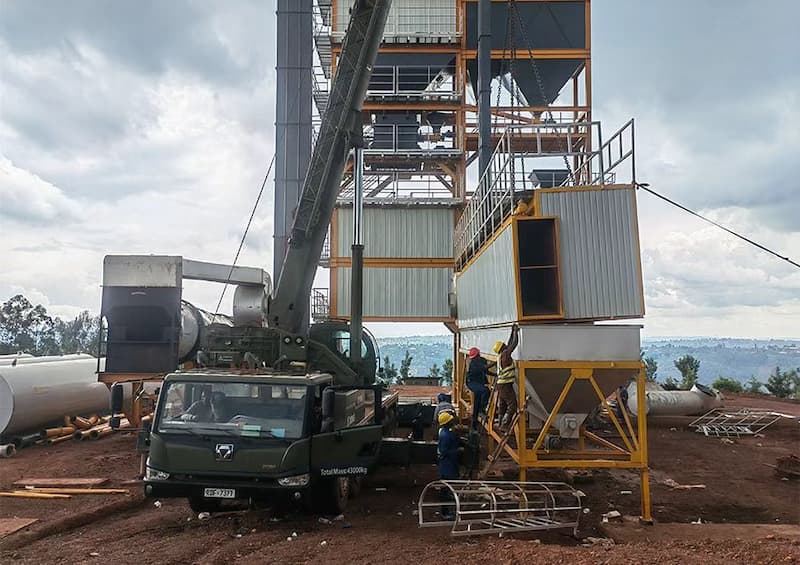
Sort out the daily maintenance records, summarize the repeated failures, high temperature, abnormal noise and other common problems, organize a comprehensive inspection, check vibration, leakage, lack of production capacity and other hidden problems of the working conditions.
Test the safety facilities such as emergency stop and fire protection item by item, improve the maintenance file, and register the maintenance items, parts replacement and testing data.
Clean up the accumulation of materials and holes in the cold material bin, calibrate the material breakage sensor and vibration equipment, adjust the belt tension and correct the deviation fault.
Replace the damaged rollers and skirts, tighten the chain bolts; clean up the accumulation of material in the drum, and register the replacement of the blades that are more than one-third worn out.
Check the sealing of the drum, the coaxiality of the wheel and add lubricating oil, clean the burner nozzle and oil filter, test run to confirm the flame is smooth.
Clean the asphalt pipeline cartridge, drain the tank sediment; check the differential pressure of the dust collector, check the filter bag and pulse solenoid valve operation status.
Clean the mixing pot and discharge door, measure the wear and tear of the mixing paddle; clean the lumps of the finished product silo under the premise of guaranteeing safety, calibrate the material level meter.
Add grease for all lubrication points, take samples to check the quality of hydraulic oil and gear oil.
Clean the dust in the electric control cabinet, tighten the terminals, test the alarm device and safety interlock, correct the coaxiality of transmission parts and tighten the exposed bolts.
Check the wear and tear condition of the recycled material crushing and conveying equipment, and finally test the emergency stopping procedure to ensure that the stopping maneuver is sensitive and reliable. Finally, test the emergency stop procedure to ensure that the stopping maneuver is sensitive and reliable.
Organize the monthly maintenance records, analyze the wear and tear of parts, convene the inspection meeting of the team, and focus on rectifying all kinds of hidden dangers of the equipment.
Test the emergency stop, safety interlock, fire fighting and sound and light alarm devices, improve the maintenance file, and keep the wear and tear photos and test data.
Test the wear degree of cold silo liner, calibrate the feeding vibration equipment and measuring device, and report the purchase of wear parts in advance.
Inspect the drying drum for cracks and wall thickness reduction, correct the coaxiality of the carrier wheel and transmission, and replenish the lubricating grease.
Dismantle and clean the combustion equipment, test the ignition components and pressure switches, adjust the air-fuel ratio, and reduce the exhaust carbon.
Do sealing pressure test on asphalt pipeline valves and replace aging seals; replace clogged and broken filter bags in the dust collector.
Clean the air duct and fan, repair the pulse ash cleaning parts; measure the mixing arm, liner gap, exceed the difference in time to replace the parts.
Calibrate aggregate, mineral powder, asphalt weighing equipment and weighbridge, and overhaul the unloading door of the finished silo and thermal insulation facilities.
Sample and test the reducer, hydraulic oil quality, replace the deteriorated oil; adjust the belt, chain tension, overhaul the coupling.
Test the insulation and grounding performance of the circuit, replace the old sensors; in-depth inspection of the whole set of recycled material equipment, tighten all the bolts of the steel structure.
First of all, organize the annual fault accounts, develop a graded maintenance program, set up a team and prepare all the wearing parts. Execute the padlock power cut and cool down to meet the safety conditions before construction. Thoroughly clean and plug the drum, mixing cylinder, silo and dust pipe, clean the asphalt storage tank, oil pump pipeline. Overhaul the drum and burner, repair the cylinder, replace the blade, refurbish the dust filter bag and pulse assembly. Replace mixing accessories, calibrate metering equipment, renew oil and correct drive coaxiality. Overhaul electrical circuits, test safety interlocks, make pipelines freeze-proof, rectify equipment defects and upgrade intelligent monitoring facilities.
Carry out a comprehensive visual inspection of the whole machine to confirm that the replacement of accessories is completed and the safety protection is fully reset. Calibrate the temperature, weighing and pressure instruments for the second time, debug the oil circuit, asphalt pipeline, electrical and pneumatic systems one by one, and replace all the filter elements. Successively test the machine with no load and material, completely test run the mixing process, comprehensively test the emergency stop, fire, interlocking alarm devices, and finally clean up the site, make up the guardrail baffle.
Increase the inspection of high loss equipments such as roller, burner, dust collector, etc., and record the data of oil consumption, discharge temperature and dust emission every day, and adjust the abnormal data in time. Utilize short downtime to deal with small problems such as belt deflection, leakage, hanging material on the silo wall, etc., and flexibly adjust the frequency of lubrication and dust removal cleaning according to the weather change.
Orderly lower production and standardize the shutdown to prevent asphalt mixture solidification and retention. Empty pipes and silo residual material, clean up lumps, register all existing faults, stay as the basis for winter repair, exposed metal components to do rust treatment, blocking pipelines, waiting for winter overhaul.
Daily / Weekly: Clean out silo buildup, check holes in silo walls; test vibrators, material gates; check belt tears, deflections, and lubricate pallet bearings;
Monthly: calibrate feed flow, measure liner wear thickness, tighten all bracket bolts;
Seasonal overhaul: thoroughly clear the warehouse, replace the broken liner and aging belt, and correct the coaxiality of the whole machine's conveying support.
Daily: Check the volume of material in the drum, abnormal noise, inlet and outlet temperature, seal leakage;
Weekly/monthly: clean up the lumps inside the drum, replace the blades when they are worn out more than 1/3 of the thickness marking; check the cracks of the drum body, wear of the carrier wheel, and lubricate and correct them regularly;
Off-season overhaul: cylinder wall thickness measurement, crack welding repair; complete set of blades uniform replacement; drum overall re-centering, overhaul of the whole transmission system.
Daily / Weekly: clean nozzles, fuel filters, check pipeline leakage, observe flame combustion status;
Monthly: disassemble and overhaul ignition components, safety pressure switch, test combustion efficiency and clean carbon deposits;
Off-season overhaul: disassemble and maintain the whole set, replace the aging seals and nozzles, and adjust the combustion parameters according to the fuel type.
Daily: monitor storage tank temperature, liquid level, circulating pump operation, and detect leakage;
Weekly/monthly: cleaning filters, discharging impurities at the bottom of the tanks, calibrating asphalt flow meters, and overhauling heat insulation and heat tracing;
Off-season overhaul: emptying the tank flushing and descaling, replacement of aging valves, gaskets, overhaul asphalt pump wear.
Daily: monitor the differential pressure of the dust collector, observe whether there is dust visible to the naked eye outside;
Weekly / monthly: check the filter bag breakage, clean up the dust hopper, air ducts, overhaul pulse dust solenoid valve;
Seasonal overhaul: replace all the filter bags (1-3 times per year), overhaul the air duct fan, and calibrate the emission test of the whole machine.
Daily: Clean the residual mixture in the pot, visually check the wear of stirring paddles;
Weekly/monthly: measurement of stirring paddle gap (standard 3-5mm), bearing lubrication, calibration of weighing system;
Off-season overhaul: replacing worn mixing arms and liners, overhauling the discharge door seal, and calibrating the mixing drive mechanism.
Daily/weekly: check for hanging material on silo walls, jamming of discharge doors, and monitor discharge temperature loss;
Monthly: overhaul of silo heating and insulation, material level meter, calibration of loading weighbridge;
Off-season overhaul: personnel safety into the warehouse to check the weld, cone bucket wear, repair leakage holes, every 2 years a comprehensive test of the structural strength of the warehouse.
.jpg)
Failure performance: the hourly output does not reach the design standard, the aggregate feeding fast and slow, production in the middle of the stop for no reason.
Troubleshooting and treatment plan: re-calibrate the flow of cold material supply, optimize the stacking of sand and gravel to avoid segregation; dry the aggregate with high moisture content in advance; clean up the accumulation of material in the drum and replace the worn blades; adjust the belt tension and repair the broken belt.
Failure performance: the mixture overheating smoke, or low temperature white, asphalt can not be evenly wrapped aggregate.
Nuclear investigation and treatment plan: disassemble and clean the burner, adjust the air-fuel ratio, replace the aging ignition accessories; replace the worn drum blade, repair the cylinder seal; stabilize the cold feed rate, optimize the exhaust system; real-time monitoring of import and export temperatures dynamically adjust the combustion power.
Failure performance: the mixture is too sticky and lumpy, or the aggregate is dry without asphalt wrapping, and the oil-rock ratio continues to exceed the standard.
Troubleshooting and treatment plan: professional calibration of a full set of weighing system; cleaning asphalt pipe filters, replacing the aging pump gasket; replacing the worn mixing arm, adjusting the mixing time of the mixing machine; stabilizing the temperature of asphalt storage tank.
Long
Failure performance: drum running noise, large vibration, the internal hanging material lumps, cylinder body local wear thin.
Investigation and treatment plan: shut down to clean up the drum internal accumulation of material, wear and tear blade uniform replacement; re-calibration of drum wheel coaxiality, supplemental lubricating oil and grease; control of high wear-resistant aggregate feeding speed.
Failure performance: dust collector pressure difference is high for a long time, the plant is floating ash, the mixture of fine aggregate is missing.
Investigation and treatment plan: replace the damaged filter bag directly, clean the dust hopper duct; overhaul the pulse cleaning control program; optimize the burner air-fuel ratio to reduce the attachment of soot; adjust the frequency of cleaning cycle.
Failure performance: coarse and fine aggregates of the mixture are separated, the void ratio after paving is not up to standard, and the road surface is easy to break.
Investigation and treatment plan: re-pouring and mixing the raw materials in different layers; replacing damaged screens; cleaning up the lumps on the inner wall of the silo, using air cannons and vibrators to assist in discharging; optimizing the loading and unloading process.
Mixing plant maintenance in the high temperature scalding, mechanical compression, limited space poisoning and asphyxiation, falling from height, dust and fumes, fire and explosion, electric shock multiple risks, all maintenance operations must strictly follow OSHA safety standards, locking the plate (LOTO) for the first core norms.
Before the maintenance operation, it is necessary to sort out the historical failure accounts of the equipment, do a good job of special risk analysis, and prepare a safety program. For high-risk processes such as fire, limited space and high altitude, it is necessary to implement the operation permit and issue special operation tickets. Organize a pre-shift safety briefing before starting work, delineate the division of labor, hazardous areas and emergency measures, and implement two-person partner work. Strictly in accordance with the standard shutdown, wait for the equipment to fully cool down, remove high temperature materials, and then start the maintenance work, to eliminate all kinds of safety hazards from the source.
Maintenance site needs to keep the site clean and tidy, clean up aggregates and oil pollution in time to prevent the risk of slipping and tripping. Use special tools for the operation, standardize the lifting operation, and prevent illegal operation. Work with two partners throughout the whole process, observe abnormal situations such as abnormal noise and temperature rise of the equipment in real time, and stop work and evacuate immediately when hidden dangers are found to ensure the safety of the operation.
Maintenance operators need to be uniformly equipped with helmets, goggles, anti-smash shoes, reflective work clothes, soundproof ear muffs, high-temperature gloves and other basic PPE; at the same time, according to the scenario of special protection, wear dust respirators for dusty operations, wear full-body safety belts for overhead operations, wear solvent-resistant work clothes for contact with asphalt and cleaning agents, and equip heat-insulating face masks for high-temperature operations. All the labor insurance products need to be checked regularly for breakage, and the operators must complete the training on the use of labor insurance before starting work.
Before entering the warehouse, continuously test the concentration of oxygen, combustible gas and toxic asphalt fumes in the warehouse, and the operation is allowed only after reaching the standard; it must be equipped with full-time external guardian, on duty throughout the whole process, supporting ventilation equipment, rescue ropes; the operating personnel should wear respirators and full-body rescue belts, and the single operation into the warehouse should be limited to the time of rotation; it is forbidden for any person to enter the finite space without guardianship or unqualified gas detection.
Asphalt station maintenance needs to focus on preventing and controlling six categories of safety risks: maintenance needs to wait until the equipment is completely cooled, the use of heat-insulating tools to avoid high-temperature burns; more than six meters of high-altitude work scaffolding, wearing a safety belt, and rigorous investigation of the stability of the operating platform. Keep ventilation in the operation area to reduce the hazards of asphalt fumes and dust. Equipment overhaul strictly implement LOTO specifications, strictly prohibit work with materials, to prevent mechanical extrusion. Pipeline overhaul is strictly prohibited open flame, equipped with fire extinguishing equipment, standardized oil storage, to eliminate fire hazards. Electrical maintenance must be disconnected and locked, humid environment to do a good job of leakage protection, regular testing of line insulation, to prevent electric shock accidents.
Maintenance site needs to keep the site clean and tidy, clean up aggregates and oil pollution in time to prevent the risk of slipping and tripping. Use special tools for the operation, standardize the lifting operation, and prevent illegal operation. The whole process of two-person partner operation, real-time observation of equipment rattling, heating and other abnormalities, found hidden danger immediately stop work and evacuation, to protect the safety of operations.
Overall, the maintenance of asphalt mixing plant is a systematic work taking into account the value of equipment, production efficiency, quality control, safety compliance and cost reduction and efficiency, and it is an important guarantee for the regular operation and long-term development of construction enterprises.
Working in high-temperature, dusty environments, the equipment easily wears down. Tiered preventive maintenance including daily checks and regular overhauls for core parts is required. Intelligent monitoring and standardized management help cut faults, extend service life and lower operation costs.

.jpg)