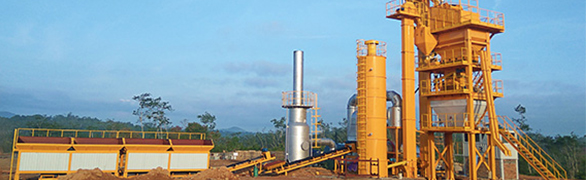
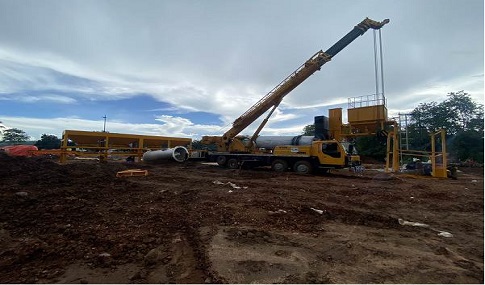
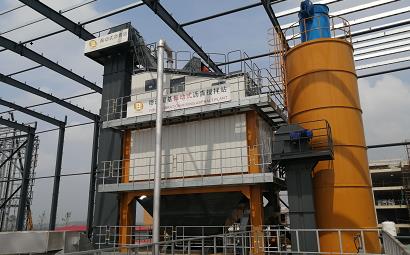
The core production carrier of road construction is asphalt mixing plant, which belongs to the heavy asset equipment with 15-25 years' service life, with large investment in a single procurement, and the selection is not simply price comparison, but needs to be combined with the project scale, construction quality inspection standards, site transfer needs, local environmental regulations, long-term operating costs, and manufacturers of after-sales service to match the six dimensions comprehensively.
In this paper, we organize a set of complete, can be landed, covering the whole process of asphalt mixing plant selection system for engineering procurement, construction project managers, pavement engineers, from the basic concepts, demand measurement, equipment classification, parameter evaluation, compliance policies, manufacturers screening, common procurement errors one-stop disassembly, can be used directly for the project equipment procurement work after reading.
Asphalt mixing plant is the crushed stone, sand, mineral powder, asphalt, recycled old materials and other raw materials, according to the precise ratio of heating, mixing, output in line with the road construction standard asphalt mixture of complete sets of special machinery and equipment. All asphalt pavement projects, whether it is a highway, airport runway, urban arterial roads, rural roads, park parking lots, or old road renovation and maintenance, in-situ regeneration and transformation, must rely on the asphalt mixing plant stable supply of finished product mixture, is an indispensable core equipment for pavement construction.
No matter the mainstream asphalt mixing plant on the market is batch type, drum type, mobile or fixed type, the infrastructure contains seven core systems, which is also the key verification of the basic configuration during the procurement:
Cold batching and supplying system: stacking different sizes of crushed stone in layers, and frequency conversion belt for quantitative delivery of aggregates;
Material lifting and conveying system: bucket elevator and belt conveyor to complete the transfer of hot and cold aggregates;Drying and heating system: drying drum with low-nitrogen burner to remove the moisture of aggregate and heat it up to the construction standard temperature;
Asphalt supply system: insulated asphalt storage tanks, circulating pumping, thermostatic material control device, storage and transportation of modified / ordinary asphalt;
Dedusting and environmental protection system: pulse bag dedusting, activated carbon adsorption, electric tar trapping device to deal with dust and asphalt fumes;
Mixing host system: divided into double-shaft forced mixing (intermittent station), integrated drum mixing (continuous station);
PLC intelligent electronic control system: store multiple sets of mixing formula, real-time monitoring of temperature, ratio, output, support remote cloud view data.
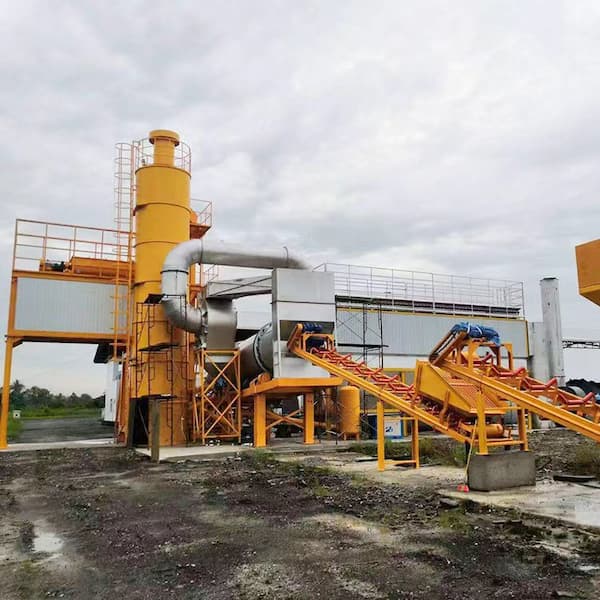
Many procurement teams will focus on equipment price negotiations, ignoring the equipment and project matching degree of long-term risk, once the selection errors, resulting in hidden losses far higher than the difference in equipment prices, mainly divided into five categories:
If the hourly capacity of the mixing plant is less than the peak demand of the project construction, the paver and roller will be shut down for a long time waiting for materials, and the construction team will continue to consume the artificial and mechanical shifts; if there is a hard agreement on the duration of the project, the delay will also result in the contractual liquidated damages.
Blindly purchasing large-capacity mixing plant, the project's annual material output is low, and the equipment runs at low load for a long time. Drying burner, dust removal system, electronic control, air compressor continues to be idle power consumption and fuel consumption, labor, equipment depreciation, site rental costs are apportioned to a small amount of mixture, per ton of asphalt production costs rose significantly, directly compressed project profits.
High-speed, municipal trunk roads require stringent metering accuracy, if the choice of continuous drum mixing plant, aggregate, asphalt ratio floating exceeds the standard, the mixture can not pass the Marshall, Superpave specifications for acceptance, has been paved pavement can only be milling shoveling rework, raw materials, labor, mechanical losses all sunk, the construction period is directly delayed for several months.
Ignore the local ultra-low emission policy when purchasing, the equipment dust removal, smoke treatment configuration is simple, the station on-line emissions online monitoring equipment dust, smoke exceeds the standard, the environmental protection department will issue a notice of suspension and rectification, and impose a high fine; such as the need to install activated carbon, electric tar capture and other ancillary equipment, the additional cost of remodeling can easily be hundreds of thousands of dollars, there will be delays in the normal construction.
Sporadic repair projects all year round procurement of fixed mixing plant, each replacement site requires a full set of concrete foundation construction, dismantling and installation cycle up to several weeks, high cost of construction, transportation, lifting; own fixed plant but the procurement of mobile mixing plant, trailer chassis, fast-mounted connectors, high premiums, the stability of long-term continuous production is insufficient, the frequency of maintenance is increased dramatically.
90% of the procurement mistakes are caused by skipping the demand research and direct inquiry, all the equipment parameters, models, budget decisions must be built on a complete, data-based demand calculation, divided into four modules one by one accounting, to eliminate subjective judgment based on experience.
Hourly production capacity (t/h) is the most core parameter of mixing plant, and the calculation of production capacity needs to distinguish between a single short-term project, simultaneous construction of multiple projects, and three scenarios of foreign commercial sales, with the industry's common formula for accurate calculation.
Total tons of mix = road length (m) × paving width (m) × paving thickness (m) × mix density × loss factor
Conventional asphalt mixture density value of 2.4 tons / m ³, construction paving, transportation, mixing loss of uniform superimposed 5%, loss factor 1.05.
A 10-kilometer provincial trunk road, road width 7 meters, pavement thickness 5cm, substitution calculation:
10000×7×0.05×2.4=8400 tons, superimposed 5% loss, the actual total project material 8820 tons.
If the enterprise undertakes multiple bidding segments at the same time, and sells commercial asphalt mixture to the outside world, it is necessary to integrate the total material consumption of all orders for the whole year, and then calculate the annual average hourly material demand, and cannot be measured only according to a single project.
Different road grades correspond to great differences in mix accuracy, formula switching, and recycled material adaptation requirements, which is also the key basis for distinguishing between intermittent and drum mixing plants. Before purchasing, sort out the complete production bill of materials, and check the acceptance standards of local transportation and housing construction:
High-grade pavement (high speed, airport, bridge): production of SMA, modified asphalt, Superpave, porous drainage mixture, aggregate metering error ≤ ± 0.5%, asphalt mineral powder error ≤ ± 0.25%, frequent switching of a variety of formulas in a single day, you must use the intermittent mixing plant;
Rural roads, factory base: long-term single AC ordinary mixture production, high ratio tolerance, priority drum continuous mixing plant;
Urban comprehensive municipal projects: alternating multi-material type production, intermittent mixing integrated equipment can be selected;
Old road reconstruction and regeneration project: long-term mixing of high proportion of RAP old materials, need to configure special intermittent mixing plant for regeneration.
Construction cycle, site distribution, relocation frequency directly determines the mobile properties of the mixing plant. Before purchasing, make a site assessment list to check each item, so as to avoid substandard site, power supply and transportation conditions that prevent the equipment from being put into operation after entering the site:
More than 3 times a year, short-term repair, remote scattered sites: mobile asphalt mixing plant;
Project cycle 2-3 years, relocation every 1-2 years: semi-mobile skid-mounted mixing plant;
Own fixed plant, year-round supply to surrounding roads, annual average output of more than 100,000 tons of material: stationary asphalt mixing plant.
At the same time, it is necessary to record the site area, power supply capacity, aggregate stacking space, and the distance to the surrounding residential areas, so as to provide data support for the environmental protection configuration and the selection of equipment area.
Distinguish between short-term temporary project budget, long-term commercial production budget: short-term project priority control procurement, relocation, civil construction of a one-time investment; long-term commercial asphalt mixing plant, the priority of the whole life cycle of the operating costs, do not have to simply depress the purchase price of the equipment.
.jpg)
Asphalt mixing plant on the market according to the production process, structure, mobile attributes are divided into four categories, various types of equipment accuracy, mobility, cost, operation and maintenance costs gap is obvious, is the core judgment basis for selection.
It adopts one pot and one mix to produce materials in batches. The complete process: cold material conveying → drying and heating → multi-layer hot material screening → hot material storage → independent and high-precision weighing of aggregate, mineral powder and asphalt → double-axis mandatory mixing → finished products are stored in heat preservation, and the production cycle of a single pot is 45-60 seconds.
Advantages: high proportioning accuracy, uniform material temperature, switching more than 5 mix formulas in a single day, up to 60% high mixing of RAP recycled materials, perfect environmental protection, traceability of the whole production data to meet the requirements of high-standard road quality inspection and archiving;
Applicable scenarios: high speed, airport, municipal main roads, recycling transformation, commercialized asphalt export projects.
Drying, heating, asphalt spraying, aggregate mixing all integrated in a single rotating drum, cold material, asphalt uniform continuous feeding, uninterrupted continuous discharge, no independent hot screening, bin weighing process, relying on flow sensors to control the proportion.
Advantages: simple structure, low failure rate, large continuous steady state output, low procurement cost of bare machine, lower fuel, labor, maintenance costs under mass production, the whole machine is compact and occupies a small area;
Suitable for the scene: rural roads, factory parking lots, road base layer, long-term single material type of large-scale bid.
The whole machine is modularized and equipped with a trailer chassis, which does not require a large concrete foundation, and the dismantling cycle is only a few hours to 3 days, with a mainstream capacity of 40-160t/h.
Advantage: mobile and flexible, with the site near the production, significantly shorten the distance of mixture transportation, to avoid long-distance transportation cooling scrapped, very low investment in civil construction;
Disadvantages: the procurement cost of the same capacity is higher than that of the fixed type, the frame and pipeline wear and tear of long-term transit, maintenance frequency is higher, and the maximum capacity is limited;
Suitable scenes: emergency road repair, county scattered maintenance, short-term temporary works without permanent land approval.
Specially designed for the recycling of old pavement milling waste, it can complete the old material crushing, heating, screening, mixing and regenerating with new aggregate and asphalt, which greatly reduces the cost of raw material purchasing, and is in line with the environmental protection policy of solid waste recycling around the world.
Scenario: urban road renovation, old road reconstruction, municipal long-term maintenance projects.
The market price difference of the same tonnage and type of mixing plant can be up to 80%, and the core of the price difference comes from the material, brand and structural design of the parts, so the procurement can not only look at the appearance of the whole machine, but also check the configuration of the four major panels one by one.
The capacity is too small to stop work and wait for materials, the capacity is too large to pull up the production cost per ton, the four-step standardized calculation process can be directly applied to all pavement projects:
Step 1: Calculate the total material used for surface layer and base layer by layer, superimpose 5% construction loss, and calculate the total tonnage of the project mixture;
Step 2: Calculate the effective production hours, deducting rainy days, maintenance, night stoppages, regular daily 8 hours of work, two shifts of 12 hours of rush work;
Step 3: superimpose the working condition correction factor, the actual utilization rate of the equipment is 70%-85%, reserving 20%-30% capacity buffer to cope with the construction peak;
Step 4: Match the standard equipment model by rounding upwards after the calculation is completed.
Capacity range fit division:
20-80t/h small-sized station: road repair, township sporadic maintenance, small municipal roads, mainly mobile;
80-120t/h medium-sized station: urban road reconstruction, regional road network projects, small and medium-sized contractors mainstream choice;
120-200t standard large-sized station: national highway, provincial highway, industrial park infrastructure, comprehensive engineering enterprise standard;
Above 200-320t super-large station: high speed, airport, city permanent commodity asphalt mixing base, fixed special.
Cold aggregate batching system: standard 4-6 bins frequency conversion feeding belt, preferably thickened and wear-resistant silo, high-end models equipped with moisture content sensor, silo top grill filtering large stone material, reduce leakage and blockage;
Conveying and lifting equipment: cold material belt, hot material bucket elevator choose wear-resistant alloy steel chain hopper, inclination, speed adjustable, reduce cleaning and maintenance frequency;
Drying and heating system: rotating drum with multi-fuel low-nitrogen burners (diesel / natural gas / pulverized coal common), the inner layer of the drum thickened insulation layer directly determines the fuel consumption, the thicker the insulation layer the lower the long-term fuel costs;
Asphalt supply system: insulation heating asphalt storage tanks, circulating pumps, thermostatic control valves; the production of modified asphalt must be equipped with special insulation mixing device to prevent asphalt segregation;
Dust removal and environmental protection system: pulse bag dust removal, high-quality PTFE membrane filter bag dust collection efficiency ≥ 99%, the collection of stone powder can be recycled for secondary use;
PLC intelligent control system: it can store hundreds of mix formulas, real-time monitoring of temperature, proportion, output, and support cloud remote monitoring, reducing manual errors.
Multi-layer vibrating hot screen (4-5 layers grading), large-capacity insulated hot material silo, independent high-precision weighing module for aggregate/mineral powder/asphalt, double-axis forced mixing cylinder, insulated finished product storage silo. The wear-resistant materials of sieve mesh and mixing blades directly determine the replacement cycle of wearing parts, so high chromium wear-resistant parts are preferred to reduce the maintenance expenditure in the later stage.
Integrated drying and mixing drum, internal guide blade layout determines asphalt coating uniformity; belt continuous flow weighing, no independent screening, hot material silo, simplified machine structure, fewer maintenance points, but there is a natural shortcoming in metering accuracy.
Selection of asphalt mixing plant can not only compare capacity, price, local policies and regulations is the core premise of the equipment can be successfully put into operation. Different provinces and cities, environmental protection, land use, safety supervision standards vary greatly, the pre-verification of local rules, it is very easy to not pass the EIA, can not apply for sewage permits, put into operation that is rectified, resulting in high transformation costs and loss of time, compliance verification is divided into three major panels.
Each region has drawn exclusive control red lines, urban areas set up mixing station construction ban, construction restriction area, site selection must avoid water sources, nature reserves, while strictly comply with the requirements of hundreds of meters of health protection distance from residential areas.
At present, most cities in the country are implementing ultra-low emission control of asphalt fumes, eliminating simple single-stage dust removal equipment, and mandatory supporting bag dust removal, electric tar capture, activated carbon adsorption combination of environmental protection systems. Fixed mixing station must apply for a sewage license, many places require exhaust gas, noise online monitoring equipment uploaded in real time regulatory platform, the purchase of equipment need to confirm that the electronic control system to support the local regulatory platform data docking.
In addition, the mixing ratio of waste asphalt recycling, solid waste recycling, night production noise control are clearly defined, the procurement of environmental protection equipment needs to be matched with the local upper limit standard in advance.
Permanent fixed asphalt mixing plant must use compliant industrial construction land, strictly prohibit the occupation of arable land, basic farmland; temporary mobile mixing plant is only allowed to temporarily occupy the land, the project must be completely dismantled after the completion of the equipment and complete site reclamation.
Green site specifications around the plant fully enclosed silo, asphalt tank seepage treatment, site hardening, green isolation zone have hard supporting standards, the procurement of equipment needs to be reserved for the installation of supporting environmental protection facilities space, to avoid later site reconstruction constraints.
Asphalt storage tanks, thermal oil furnace belongs to special equipment, equipment factory to provide a full set of qualification documents to meet the acceptance standards of the local market supervision bureau, station synchronization supporting fire, explosion-proof, fire isolation facilities.
Most of the transportation and housing departments require the production data of mixing stations to be uploaded on the regulatory platform disk by disk, and the equipment metering system must be completed for the record by the local metrology institute; the main urban areas will also set access thresholds for the mixing station models and capacities, so be sure to confirm the latest policies with the local departments before purchasing.
The vast majority of purchasers only compare the equipment bare metal offer, ignoring the full life cycle of the equipment inputs, low-priced equipment is often the later operation and maintenance, energy consumption, environmental protection and transformation costs doubled, here to distinguish between the purchase price and the total cost of ownership (TCO) complete dismantling.
One-time upfront investment: equipment purchase price, transportation and lifting costs, site infrastructure, environmental protection equipment, measurement and calibration, license fees;
Ongoing operating costs: fuel, electricity, operator's salary, replacement of wearing parts, annual equipment maintenance, environmental protection consumables (filter bags, activated carbon), annual testing costs;
Hidden loss costs: equipment failure downtime losses, environmental fines, road rework losses, equipment idle depreciation.
Low-priced mixing plant of small manufacturers generally use thin steel plate, common wear parts, poor quality burner, simple dust removal system, short-term purchase price is lower than 15%-30%, but the annual fuel consumption is higher than 10%-20%, mixing blade, screen, filter bag replacement frequency doubles, equipment failure rate is high, annual downtime repair loss can reach tens of thousands of dollars, 3-5 years of accumulated expenditure far more than the first-tier brand standard models.
Short-term 1-3 years temporary project: Prioritize the control of one-time purchase, civil construction and relocation costs, and choose the standard model that fits the production capacity without the need to install high-end value-added options;
Long-term commercial mixing plant over 5 years: give priority to thickened wear-resistant parts, low-energy burners, and a full set of ultra-low emission system, moderately increase the purchasing investment in the early stage, and significantly reduce the operating cost of tons of material in the long term.
When the procurement budget is limited, many construction companies will consider the second-hand asphalt mixing plant, the two choices are suitable for the crowd, the risk difference is obvious, before purchasing a clear distinction.
Advantage: complete warranty of the whole machine, the core components are brand new without wear and tear, the factory meets the latest environmental protection and measurement standards, can be customized according to the regeneration, ultra-low emission configuration, the manufacturer provides complete training, 24-hour after-sales support, the equipment has a complete service life of 15-25 years, can be a long and stable production, and no obstacles to comply with the license;
Shortcomings: high investment in one-time purchase, large capital consumption.
Suitable for people: long-term operation of commercial asphalt mixing plant, high standard high speed municipal projects, focus on stable production, compliance with the mandatory requirements of the engineering enterprises.
Advantage: low purchase price, low capital pressure, short-term small repair projects can be quickly put into production;
Risks: wear and tear of the core components of the equipment, no complete original warranty, frequent replacement of wearing parts; old equipment, backward environmental configuration, can not meet the current ultra-low emission policy, environmental assessment, sewage permits are difficult to handle; old electronic control system can not be docked on the regulatory platform; manufacturers do not undertake maintenance of second-hand equipment after sale, faulty spare parts procurement channels are unstable, and frequent stoppages; the remaining life of the equipment is short, and it will be necessary to replace the equipment again in 3-5 years. Replacement.
Suitable for people: short-term small rural road temporary projects, very low budget and only produce ordinary AC mix, no long-term business planning for small construction teams.
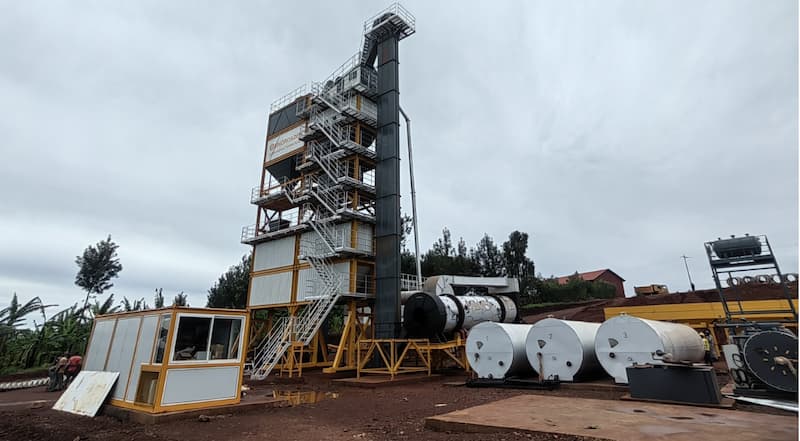
A large number of small workshops on the market labeled low-priced equipment, there are design defects, spare parts supply, no response to after-sales problems, the loss of a single day of downtime can reach tens of thousands of dollars, the organization of the seven manufacturers to assess the strength of the dimensions of the procurement of item-by-item checking.
Years of experience and market reputation: more than 10 years of deep-rooted pavement machinery industry enterprises, a line of imported brands Ammann, Astec, Wirtgen, Maleny, the head of the domestic factory after a large number of projects throughout the country on the ground to verify; avoid the establishment of a short period of time, there is no real on the ground case of the small workshop;
Full set of product qualification and certification: ISO quality management system, CE export certification, the entire structure of the machine using the national standard thickened wear-resistant steel, special equipment to provide a complete factory inspection report;
Real landed cases with working conditions: manufacturers are required to provide the same capacity, the same mixing type, the same site environmental conditions of the site cases, field visits to the site, consulting the actual fuel consumption of the equipment, the monthly failure rate, after-sales door-to-door response speed;
Clearly written warranty terms: standard machine warranty of 1-2 years, drying, weighing, burners and other core components to extend the warranty, the contract clearly distinguish between wearing parts and large parts warranty scope, refused to verbal warranty commitments;
Professional technical service team: equipped with resident regional engineers to support 24-hour door-to-door repair, online remote troubleshooting, peak season failure to arrive at the site within 48 hours;
A full set of equipment training system: equipment delivery on-site operation, maintenance one-on-one training, providing paper + electronic operation, maintenance manuals, online permanent retraining channel;
Global spare parts supply network: a full set of perishable parts are always in stock in the factory, and spare parts are quickly shipped by logistics, so there is no question of spare parts being discontinued.
Common Mistakes to Avoid When Choosing an Asphalt Plant
A large number of purchasing team for a long time to step on the pit, summarize the industry's high-frequency mistakes, avoid in advance can save hundreds of thousands of losses:
Misunderstanding: Procurement simply compare the total price of the bare machine, ignoring the thickness of the drying drum, load cell brand, dust filter bag material, mixing blade wear level;
Avoid: uniformly require manufacturers to issue a standardized detailed configuration list, the same configuration and then compare prices, configuration differences in the separate accounting for price differences.
Misunderstanding: Estimated production based on experience alone, not superimposed construction losses, production utilization, peak buffer factor;
Avoidance: strictly apply the four-step capacity measurement formula, combined with the total amount of multi-project superposition accounting rated capacity.
Misunderstanding: In order to save the cost of purchasing drum station, later undertake high-speed, regeneration projects can not meet the quality control standards;
Avoidance: first sort out all the material types and road grades throughout the year, and directly select the intermittent type for high standard, multi-formulation and high regeneration scenarios.
Misconception: Procurement of basic simple dust removal equipment, put into operation can not pass the environmental assessment;
Avoidance: Docking the local environmental protection department to obtain the latest ultra-low emission standards before procurement, the equipment to reserve space for environmental upgrades.
Misconception: Procurement of fixed type for scattered repairs all year round will result in soaring cost of construction and relocation; Procurement of mobile station for own plant will result in poor stability of long-term production;
Avoidance: Statistics of the average annual number of transitions in the past three years, in strict accordance with the transitions to determine the standard selection.
Asphalt mixing plant belongs to 15-25 years long cycle of heavy asset equipment, single investment amount is high, the core logic of selection is never simply to lower the purchase price, but a comprehensive match of the seven dimensions: project output demand, mixture quality inspection standards, site transfer conditions, the quality of the core components, the full cycle of operating costs, manufacturers of after-sales service guarantee, the territory of the environmental policy.
If you are preparing for the purchase of asphalt mixing plant, you can contact our professional sales engineers, provide project mileage, paving parameters, site conditions, local environmental requirements, free of charge for you to calculate the precise capacity, the exclusive equipment selection program and detailed configuration quotes.