With the green transformation of traffic infrastructure and the full implementation of double-carbon policy, the maintenance projects of highways, municipal roads, parking lots and airport runways are gradually eliminating the traditional full-width excavation and reconstruction mode.The asphalt milling and recycling technology has become the mainstream standardized technology of road maintenance industry by virtue of its multiple advantages of low cost, low carbon and environmental protection, efficient construction and pavement durability.
A large number of construction units, highway maintenance project department, asphalt mixing plant practitioners in the actual operation of the general question: asphalt cold milling complete process flow is what? How can milling material RAP be processed to meet the standard reuse? What professional equipment is needed for the whole set of recycling construction? What is the central role of the mixing station in RAP regeneration? What factors will directly affect the quality of recycled asphalt pavement? In combination with the first-line construction specifications and complete technical system, this paper completely disassembles the whole chain process, equipment, advantages and quality control points of asphalt milling regeneration, covers the whole scene of actual operation of the project, and provides professional landing reference for engineering parties, equipment service providers and material suppliers.
The professional standard for asphalt milling is called the cold milling process, which is the core substrate treatment technology before modern asphalt pavement disease repair and overlay renovation. Compared with the traditional old hot milling process, the biggest feature is that the road surface does not need to be heated during the whole process. Construction is more environmentally friendly and efficient. The technology abandons the extensive mode of traditional road renovation in which all asphalt layers are excavated as a whole, and the problems of long construction period, high excavation cost, waste asphalt waste landfill waste and the like do not occur. Only the damaged surface layer of the road surface is precisely cut, and the stable subgrade base layer of the lower layer is completely retained, so as to realize the core objectives of cost reduction, efficiency improvement and resource saving from the construction source. Its core construction equipment is cold milling machine, which can flexibly and accurately control the milling depth by grinding and cutting the pavement with high-speed rotating milling drum equipped with carbide cutter head. It can not only complete the shallow leveling and roughening operation of 1 cm, but also realize the deep disease milling of more than 4 cm, so as to meet the construction requirements of different pavement damage degrees; The equipment is equipped with a spray dust suppression system, which can effectively cool the knife guard and suppress the construction dust, which conforms to the municipal environmental protection construction standards. The waste asphalt materials generated by cutting will be directly transported to the transportation vehicles through the onboard conveyor belt, and the RAP recycled materials will be formed after unified collection.
After the completion of cold milling construction, the pavement will form uniform and rough texture base surface. This concave and convex pavement structure can greatly strengthen the adhesion force between the old and new asphalt layers, effectively avoid the common quality defects such as peeling, layering, pavement displacement and early cracking that are easy to occur in the traditional direct paving process, and greatly improve the overall stability of the renovated pavement. At the same time, the technology has high construction accuracy, extremely low destructiveness to underground pipelines, curbs, rainwater wells and original basic structures, and has advantages in construction controllability and safety. At the engineering application level, the asphalt cold milling regeneration process is extremely suitable for a wide range of scenarios, covering various projects such as the overall overlay renovation of expressways and urban and rural trunk roads, the disease repair of parking lots in residential areas and commercial parks, the maintenance of airport runways and bridge pavements, the slope of pavement drainage, the fine adjustment of curb elevation and the full-depth in-situ regeneration and reconstruction. Whether it is small-scale sporadic repair or large-scale road overhaul projects, it can be adapted to land. It is the mainstream core technology of pavement maintenance engineering at this stage.
Asphalt milling and recycling is a set of closed-loop recycling technology, which is divided into five stages: preliminary survey preparation, field milling operation, old material transfer processing, mixing plant recycling and blending, and recycled mixture paving and rolling. Each step of quality control standard directly determines the service life of the final pavement. The complete process is disassembled as follows:
Before formal commencement, the road engineer and the construction project department shall carry out pavement disease inspection of the whole section, comprehensively check rutting, network cracks, asphalt flooding, loose aggregate, pavement subsidence and other disease types, determine the milling depth in combination with the subgrade base bearing capacity test data, control the milling depth of conventional surface repair within 1 - 3 inches, and deepen the severely damaged section to more than 4 inches. At the same time, survey the distribution of underground pipelines in the road section, delimit the milling boundary, plan the construction scheme of peak offset at night, and reduce the traffic interference of vehicles.
RAP recycling scheme shall be formulated simultaneously, the total output of milling materials shall be calculated, the storage and crushing and screening capacity of asphalt mixing plant shall be connected, the transportation route shall be planned, supporting equipment such as watering dust suppression vehicle, road sweeper, traffic diversion enclosure shall be equipped, the layout of traffic guide signs shall be completed simultaneously, and the construction time of road occupation shall be reduced to the maximum extent.
After entering the site, remove sundries, construction waste and scattered sand on the road surface, close the construction area, and set up isolation cones and warning signs. After the cold milling machine is in place, rely on the airborne laser leveling system, induction wire to achieve millimeter depth control, ensure uniform milling thickness of the whole section, avoid local milling too deep damage to the base. The milling drum continuously sprays water to cool down and reduce dust. The cut RAP material is continuously conveyed to the rear dump truck through the conveyor belt. After the vehicle is fully loaded, it is directly transferred to the yard to avoid waste material scattering and polluting the road surface.
When multiple milling equipment work together, a milling machine assembly line will be formed, and the synchronous cleaning equipment will clean up the residual fine materials on the road surface in real time to prevent the fine debris residue from affecting the bonding effect of new and old asphalt. Night construction mode is the mainstream choice of urban roads, greatly reducing daytime traffic congestion and improving construction efficiency.
After the completion of single-section milling, the road sweeper and vacuum cleaning equipment shall comprehensively clean up loose aggregate and dust. The engineer shall inspect the milling depth, road flatness and drainage slope on site to check whether there are hidden dangers such as exposed damage of base layer and exposed pipeline, and repair local defects in time. The accepted rough base surface shall be sprayed with tack coat oil according to design requirements to provide bonding foundation for subsequent recycled asphalt mixture paving.
The bulk RAP raw materials transported to the mixing plant cannot be directly mixed with asphalt mixture and must undergo standardized crushing, screening and impurity removal procedures. Firstly, the large milling material is crushed to uniform particle size by impact crusher. Compared with jaw crusher, the aggregate cube prepared by horizontal impact crusher has better shape and more stable gradation, which is suitable for the production of recycled mixture with high content. After crushing, enter multi-layer vibration screening equipment to screen out recycled materials of different specifications, separate impurities such as soil and gravel; match magnetic separation equipment to remove metal impurities such as steel bars and iron wires to avoid damage to mixing equipment.
The processed RAP shall be covered and stacked in different areas, and the milling materials of different sections and different service life shall be stored separately to prevent the mixture performance from being mixed, and at the same time, cover the canopy to control the moisture content, so as to prevent the wet raw materials from entering the mixing furnace to generate steam and affect the mixing temperature stability. Each batch of RAP is sampled synchronously in laboratory to determine aggregate gradation, aging asphalt content, moisture content and asphalt hardening degree, providing data support for subsequent regeneration mix design.
The laboratory designs the recycling formula according to RAP aging index. The surface wear-resistant asphalt mixture is conventionally blended with 15%-30% RAP, and the road base mixture can be increased to 30%-50%. It is mixed with new aggregate, new asphalt binder and recycling agent to blend aged asphalt. The core function of regenerant is to soften and harden aged asphalt, restore asphalt adhesion and ductility, and solve the industry pain point of brittle crack of high content RAP pavement.
Mainstream mixing equipment is divided into continuous drum mixing station and intermittent batch mixing station: drum mixing station adopts parallel feeding process, which can carry RAP production with higher proportion and adapt to high-speed and large-scale municipal projects; intermittent mixing station has higher proportion precision and is suitable for fine projects such as high-standard airport and bridge deck pavement. The mixed recycled hot mix asphalt mixture shall be transported back to the construction site, evenly paved by paver, compacted by multi-tonnage roller layer by layer, and finally a recycled asphalt pavement with standard performance and durability and stability shall be formed.
In addition to factory-mixed hot recycling, milling RAP can also be used for in-situ cold recycling, in-situ hot recycling, and full-depth base recycling processes. There is no need to transfer to the mixing plant, and the materials are directly crushed and mixed on site, which greatly reduces material transportation costs. It is suitable for low-grade roads., park road renovation project.
Asphalt RAP recycling cycle depends on a complete set of professional machinery and equipment, different processes correspond to special equipment, equipment selection directly determines the construction efficiency, recycled material finished product quality, complete equipment system is divided into three parts:
Cold milling machine is the core host of the whole set of technology, divided into small micro milling machine and large highway special milling machine: micro milling machine is suitable for community roads, narrow sidewalks, local pit repair, flexible body, small milling width; Large milling machine milling width 4 - 8 feet, equipped with automatic depth control system, large-capacity conveyor belt, high-pressure spray dust suppression device, suitable for large-area continuous milling of highways, mainstream brands include Wittgen, Caterpillar, BMW Ge and other professional road equipment manufacturers.
Supporting auxiliary equipment includes dump truck, sprinkler dust suppression truck, road sweeper, vacuum cleaner and leveling dredging equipment; small area construction can be matched with skid loader equipped with small milling accessories, flexible treatment of corners, shoulders and other areas that large milling machines cannot reach.
After the milled materials are transferred to the material yard, standardized processing is completed by crushing and screening system. The core host machine is horizontal impact crusher, which is responsible for fine shaping of large materials. The auxiliary equipment includes jaw crusher (primary coarse crushing of ultra-large materials), multi-layer vibrating screen, roller screen, magnetic separator, feeder, conveyor belt and stacker.
Mobile crushing and screening machine group is popular equipment in recent years. It can be directly stationed in the construction site to process RAP nearby, saving the cost of long-distance transportation of raw materials. It is suitable for remote highway overhaul projects. The processed graded recycled materials are stored locally and sent to the mixing station as needed.
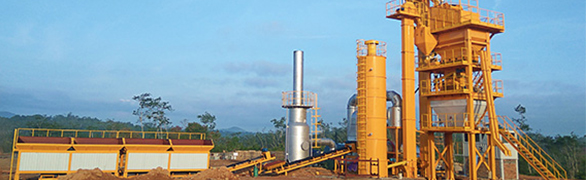
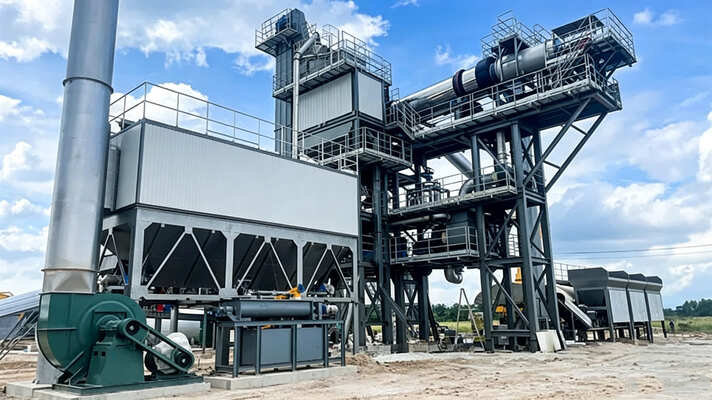
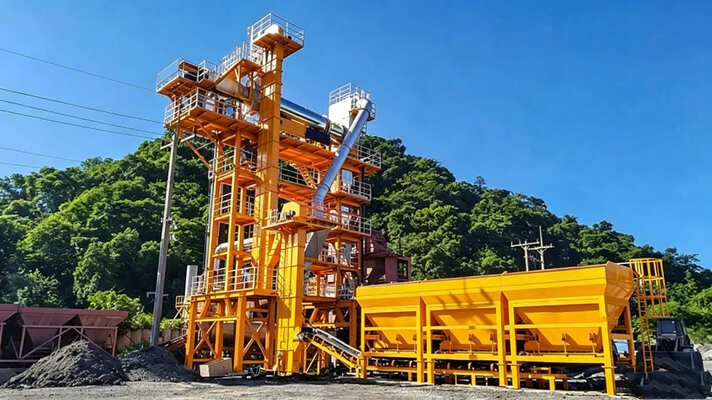
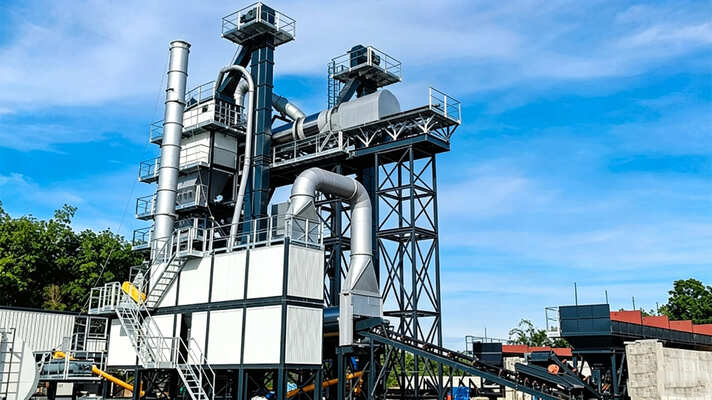
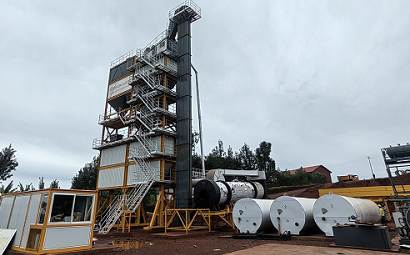
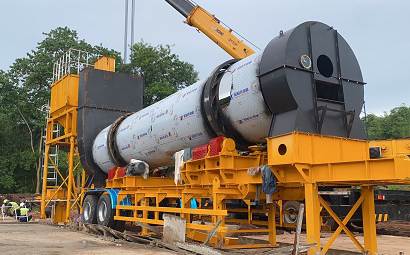
Asphalt mixing station with regeneration function is the key to realize waste material changing into fresh material. The equipment is equipped with special RAP feeding bin, moisture detector, automatic regenerant filling system and independent drying and heating module. The advantage of drum continuous mixing station lies in the adaptation of high content, and the advantage of intermittent mixing station lies in the accurate and controllable proportion; the supporting in-situ recycling equipment includes in-situ cold recycling train, in-situ hot recycling heating milling machine group and small mobile hot recycling repair box, which are used for sporadic pavement repair.
The supporting compaction equipment for later pavement forming includes single steel wheel vibratory roller, rubber wheel roller and double steel wheel smooth roller, which are matched with material transfer vehicle to ensure the paving continuity of recycled mixture; the laboratory testing equipment is supporting quality control equipment, which is used for RAP raw material and finished mixture performance testing.
Traditional full-width excavation and reconstruction requires a large amount of brand-new aggregate and petroleum asphalt raw materials, and the cost of mining, transportation and raw material procurement remains high; milling recycling fully utilizes the original pavement aggregate and asphalt binder, reducing the purchase amount of new materials by 20%-50%, and reducing the overall project cost by more than 30%. At the same time, the milling construction speed is much faster than the overall crushing excavation. The construction mileage of single-lane milling operation can reach several kilometers in a single day, greatly shortening the road occupation period and reducing the comprehensive expenses of traffic diversion, labor and equipment rental.
More than 300 million tons of waste asphalt pavement materials are produced every year in road maintenance in China. If all of them are buried, they will not only occupy a large amount of land, but also cause non-degradable pollution. The milling and recycling process can realize the recycling and reuse of more than 95% of waste asphalt materials, greatly reduce carbon emissions and ecological damage caused by sand mining and asphalt refining production, and reduce the land occupation of waste landfill. At the same time, modern milling and mixing equipment shall be equipped with perfect dust and tail gas treatment devices. Warm mixing regeneration technology can further reduce mixing temperature, reduce fuel consumption and greenhouse gas emission. Many transportation authorities shall give preferential environmental protection policies and subsidies to high RAP blending projects.
The rough bonding base formed by cold milling can prevent the delamination and displacement of new surface layer from the root; the RAP mixture mixed by scientific proportion and regenerant can match the new asphalt mixture in rutting resistance and cracking resistance after compaction. The milling process keeps the complete and stable subgrade without re-excavation and replacement of the base course, and the overall bearing capacity of the road structure is stronger. The periodic milling overlay can continuously prolong the service life of the road, reduce the repeated overhaul frequency and reduce the long-term maintenance investment.
Milling can be constructed by sections of lanes, without closing the whole road section, and the night construction mode minimizes the daytime traffic pressure; The milling depth can be flexibly adjusted to accurately adjust the pavement elevation, match the height of curbs, manhole covers and drainage facilities, so as to avoid problems such as poor drainage and intersection height difference caused by the overall lifting of the pavement, and adapt to the fine construction of municipal roads, parks, airports and other scenes.
Any construction process has objective limitations. The shortcomings of milling regeneration technology can be avoided through equipment upgrading, material improvement and standardized quality control: firstly, milling operation will produce dust and construction noise, which will affect surrounding residents and factory areas. The solution is that modern milling machines are equipped with high-pressure water mist spraying system, some high-end models are equipped with vacuum cleaning devices, construction priority is given to low-sensitive periods at night, and sound insulation enclosures are reasonably arranged.
Second, the original RAP block diameter uneven, containing impurities, direct mixing easy to cause mixture gradation imbalance. The quality of raw materials is controlled through standardized crushing, multistage screening, magnetic separation and impurity removal, and storage in different bins and zones, and defects are eliminated from the pretreatment link.
Third, RAP asphalt of long-term service pavement is seriously aged, and high content is easy to cause mixture hardness and low temperature cracking. Special asphalt recycling agent shall be used in combination with low-grade soft new asphalt blending, and the mixing temperature shall be reduced in combination with warm asphalt mixing technology to optimize the fusion effect of new and old asphalt, and the RAP blending ratio of surface layer shall not exceed the upper limit of specification.
Fourth, the whole set of regeneration technology depends on professional equipment and licensed operators, and the lack of small-scale construction team is prone to uneven milling depth and out of control of regeneration ratio. It is suggested to select a regular construction contractor with a complete set of milling, crushing, mixing and recycling integrated equipment and professional technical team for the project, and simultaneously implement the laboratory inspection and quality control of the whole process.
Whether the recycled pavement is damaged at an early stage depends on the six quality control nodes of the whole process, which is also the key point of daily control of construction and mixing plant:
Different road service life, original asphalt grade, surface layer/base milling material performance difference is great, old pavement asphalt oxidation hardening degree is higher, RAP mixed sealant, debris, poor stability. During construction, milling materials from different sources shall be stacked separately, tested separately, and the mixture ratio shall be designed separately. It is forbidden to mix and use multiple batches of RAP at will. Regional climate also affects raw material performance, aging asphalt in cold areas is more brittle, so it is necessary to increase the proportion of regenerant.
Milling head wear, equipment speed instability will cause milling material particle size imbalance, milling depth will be mixed with the underlying soil, base powder pollution RAP. Before construction, check and repair the milling drum regularly, replace the new alloy cutter head, and start the automatic depth control system throughout the process to ensure the purity and uniformity of the milling material.
Crushing equipment selection, screening levels directly determine the grading of recycled materials; open storage rain will greatly increase the moisture content of raw materials, mixing consumes a lot of heat, but also causes the mixture void rate to exceed the standard. Rainproof bins must be used to store in different areas, crushing and screening procedures must be strictly implemented to remove all impurities such as soil and metal.
The kind and dosage of regenerant are the core of balancing aging asphalt hardness. If the dosage is insufficient, the mixture will crack easily, and if the dosage is excessive, the rutting resistance of pavement will decrease. Each batch of RAP samples to detect asphalt aging indicators, accurately calculate the proportion of regenerant and new asphalt, and mix them randomly without experience.
Mixing temperature is too high will further oxidize RAP internal asphalt, intensify hardening; temperature is not enough old asphalt fusion is not sufficient, the pavement is easy to loose. The mixing station strictly controls RAP feed ratio, drying temperature and mixing time according to the formula, and the drum equipment and intermittent equipment adjust production parameters according to their own process characteristics.
Lack of continuous detection will lead to mixture performance out of control, every 200 tons of recycled materials must be sampled to detect aggregate grading, oil-stone ratio, void ratio, high and low temperature stability performance, real-time adjustment of mixing ratio according to the detection data, dynamic correction of recycling agent, new aggregate addition, to ensure that the finished mixture meets the road construction design specifications.
Asphalt mixing station is the core hub to realize the resource conversion of waste milling materials. It undertakes the graded RAP after pretreatment, converts waste materials into qualified paving materials through precise proportioning and heating mixing, and undertakes four core functions:
firstly, accurately control RAP blending ratio, rely on automatic weighing feeding system, stably convey recycled materials, new aggregates, asphalt and recycling agents according to the design scheme, so as to ensure the uniform performance of each batch of mixtures; Second, warm RAP raw materials at low temperature, adopt indirect heating mode, avoid high temperature carbonization failure of aged asphalt, and balance moisture content of raw materials; Third, fully homogenize mixing, so as to evenly wrap RAP aggregates with recycling agent and new asphalt, so as to solve the pain point of insufficient fusion of old and new asphalt; Fourth, real-time quality monitoring, supporting temperature, moisture content online sensors, synchronous docking laboratory test data, real-time adjustment of production parameters.
Different types of mixing plants meet different recycling requirements: drum mixing plant has large capacity, can accommodate high-proportion RAP, and is suitable for high-speed and large-area overhaul of municipal administration; intermittent mixing plant has higher proportion accuracy, suitable for high-standard surface construction of airport, bridge deck and trunk road; special recycling mixing machine set is equipped with independent RAP drying system, which can realize stable production of more than 60% ultra-high content recycled materials, which is the mainstream equipment for upgrading green infrastructure. If there is no standardized recycling mixing station, only relying on simple mixing on site, milling RAP cannot meet the use standard of road surface layer, and can only be temporarily used as bottom backfill and subgrade filler.
As a mature, standardized and low-carbon road maintenance process, asphalt milling and recycling, relying on the closed-loop process of cold milling cutting recovery, RAP crushing and screening pretreatment, mixing plant recycling and blending, on-site paving and rolling, with a complete set of professional equipment of milling host machine, crushing and screening equipment and recycled asphalt mixing station, realizes 100% resource recycling of waste asphalt pavement. Compared with the traditional road demolition and reconstruction scheme, milling regeneration takes into account the four core requirements of project cost, construction efficiency, environmental protection and pavement durability, and perfectly adapts to the full-scene maintenance projects of domestic highways, municipal administration, parks and airports.
With the continuous deepening of the double-carbon policy in the transportation field, the asphalt recycling technology continues to upgrade in the direction of high content, low temperature warm mixing and in-situ regeneration. The construction unit and mixing plant can completely avoid cracking, loosening and layering of recycled pavement through standardized control of milling construction, RAP raw material pretreatment, mixing ratio and whole-process detection, and maximize the economic and environmental protection value of milling recycling technology. It has become the mainstream solution for green sustainable maintenance of modern infrastructure.