What are the components of an asphalt mixing plant?
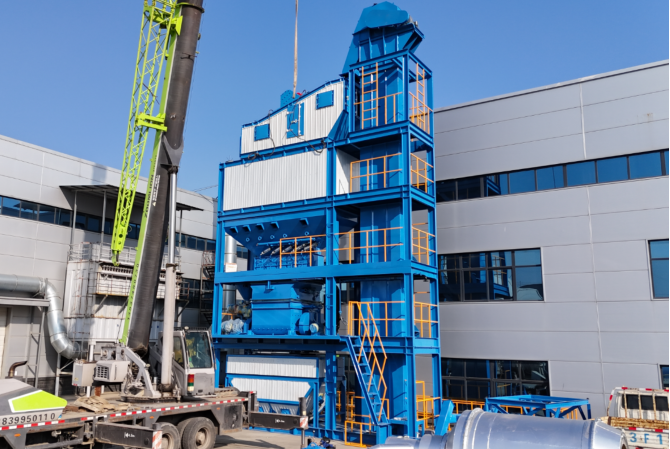
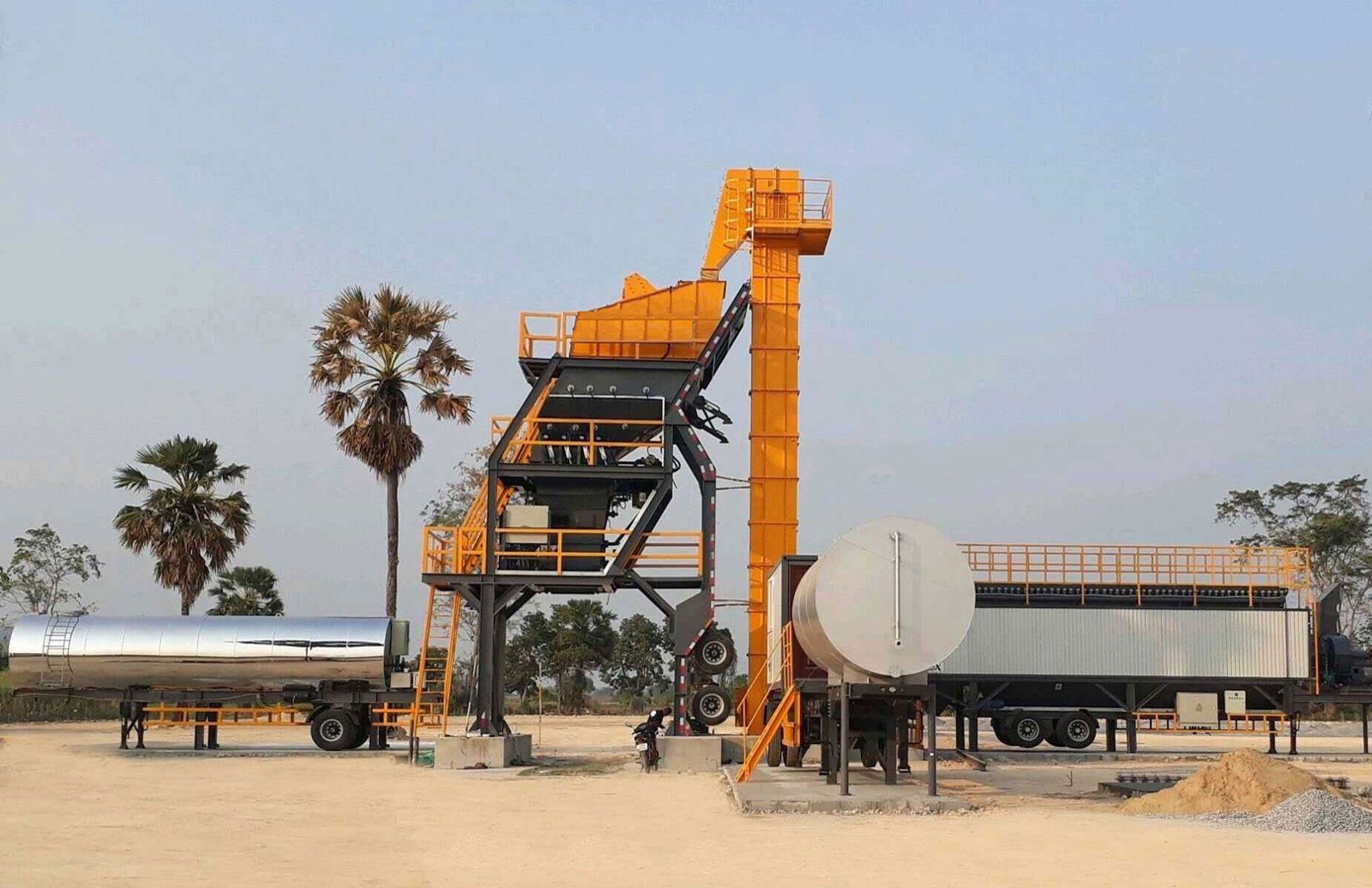
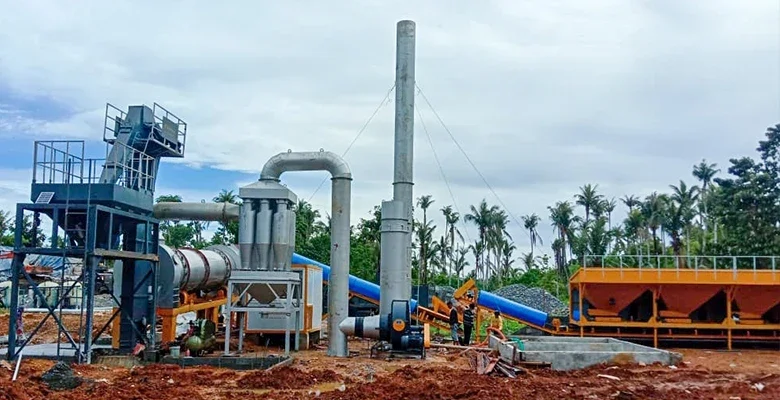
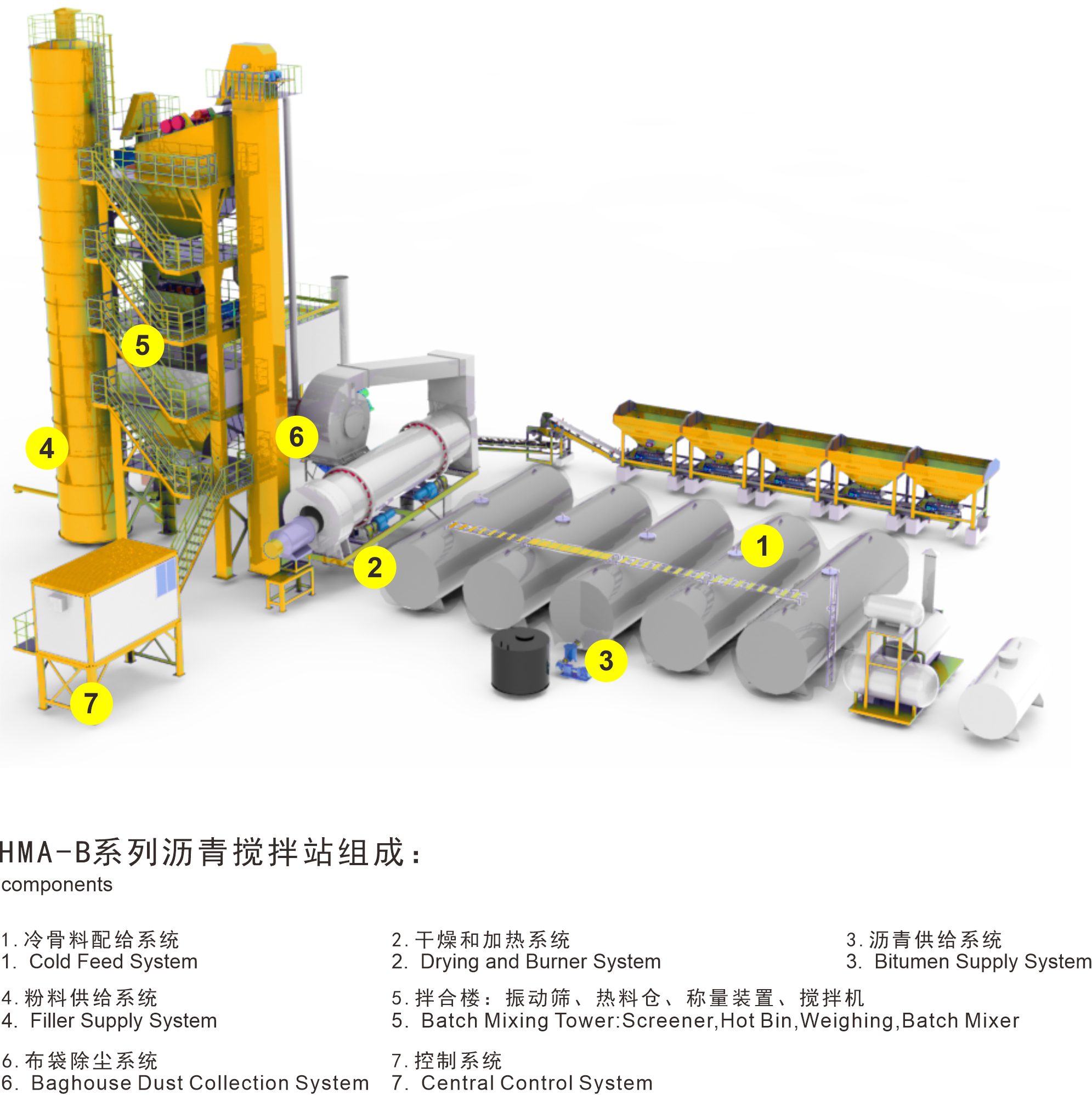
A qualified asphalt mixing plant mainly consists of 12 major systems working together to complete the entire process from cold aggregate feeding to finished asphalt mixture production.
A qualified asphalt mixing plant mainly consists of 12 major systems working together to complete the entire process from cold aggregate feeding to finished asphalt mixture production. Below is a brief introduction to these twelve systems and the main function of each system:
(1) Batching System – The starting point of the production process, responsible for metering and transporting aggregates of different specifications according to the mix proportions.
(2) Drying System – Used to remove moisture from the aggregates and heat them to the required temperature.
(3) Combustion System – The burner provides the heat source for the drying system.
(4) Hot Aggregate Lifting System – Transports the dried and heated aggregates to the screening system.
(5) Screening System – Vibrating screens grade and screen the heated aggregates.
(6) Hot Aggregate Storage System – Temporarily stores aggregates of different specifications after screening.
(7) Weighing and Mixing System – The core part of the asphalt mixing plant, responsible for mixing aggregates, powder, and asphalt according to precise proportions.
(8) Asphalt Supply System – Responsible for the storage, heating, and transportation of asphalt. (9) Powder Supply System – Responsible for the storage and transportation of additives such as mineral powder.
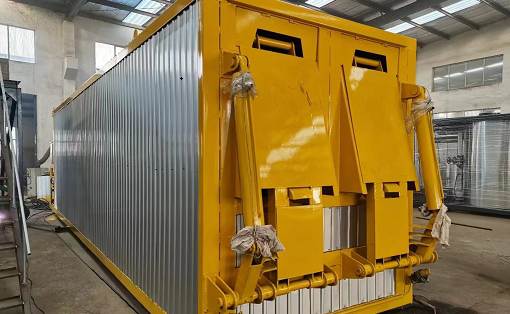
(10) Dust Removal System – Used to treat dust and exhaust gas generated during the production process, meeting environmental protection requirements.
(11) Finished Product Silo – Temporarily stores the mixed finished asphalt mixture.
(12) Control System – Control room, PLC, dual-machine dual-control fully automatic computer/manual control system with fault self-diagnosis feedback program to achieve automated production. Different types of asphalt mixing plants (mobile/fixed, intermittent/continuous) have slight differences in specific structure and layout, but their core components are basically the same.