Home » Video » Mobile vs Stationary asphalt plant: which one to choose?
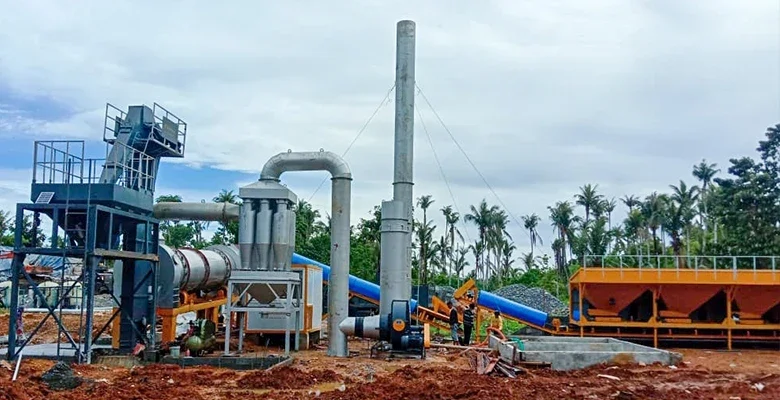
Mobile vs Stationary asphalt plant: which one to choose?

Choosing the right asphalt plant is crucial for your project’s success. The decision between a mobile or stationary setup depends on four key factors: usage pattern, working scenario, site area, and production scale.

Rated 4.7/5 based on 426 customer reviews
Share:
Content

Choosing the right asphalt plant is crucial for your project’s success. The decision between a mobile or stationary setup depends on four key factors: usage pattern, working scenario, site area, and production scale.

1. Usage Pattern: Frequent Moves or Long-Term Stay?
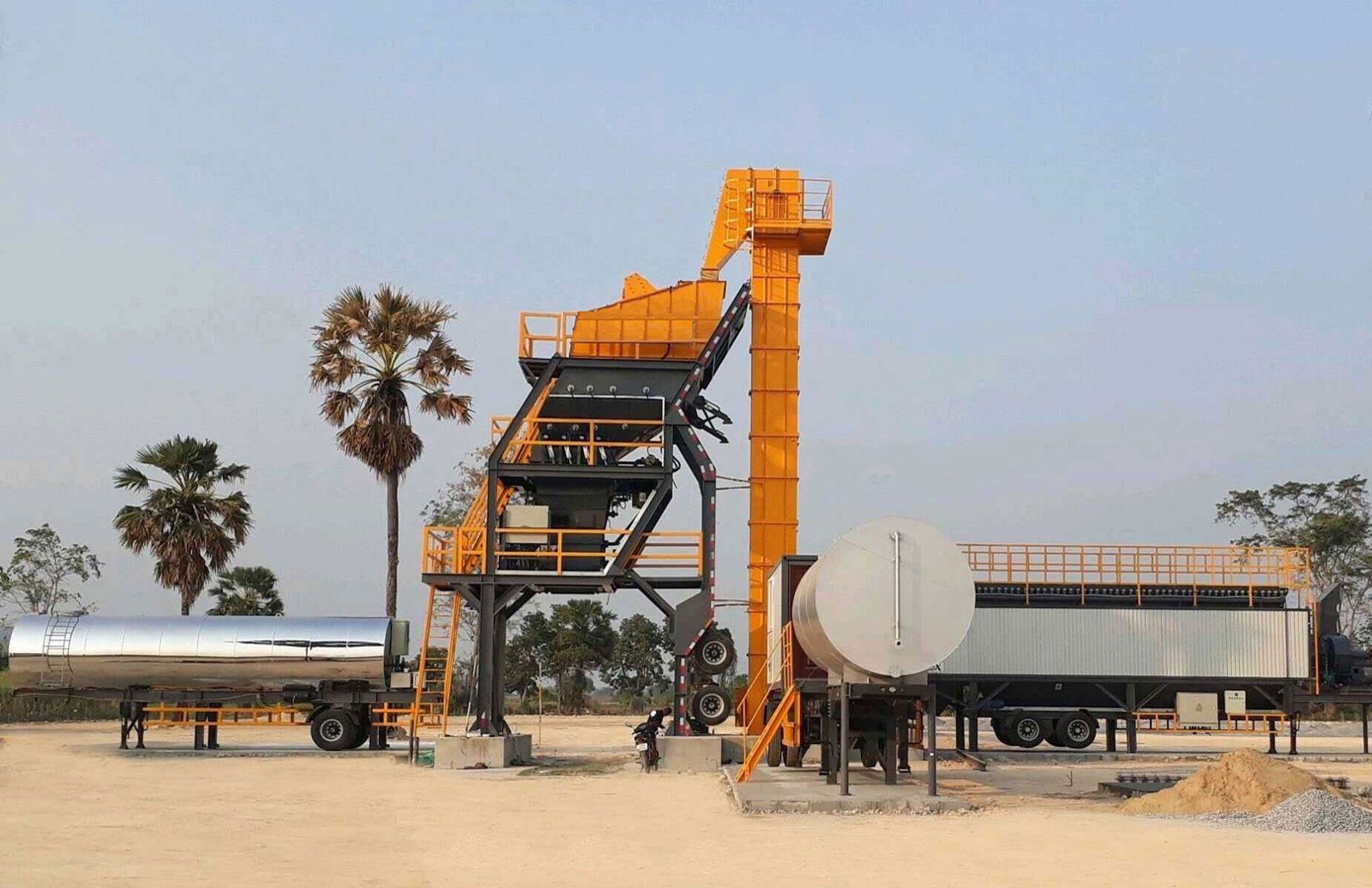
If your business involves moving between projects every few months, a mobile plant is your best bet. It is designed for easy disassembly and transport. If you have a long-term contract or a steady local market, a stationary plant offers greater durability and efficiency for permanent operation.

2. Working Scenario: Remote Sites or Central Hub?

For projects in remote areas where transporting materials is costly, a mobile plant allows you to produce asphalt on-site, saving significant logistics costs. If you are located near a city or a reliable aggregate source, a stationary plant serves as a fixed hub for surrounding projects.

3. Site Area: Small Plot or Large Yard?
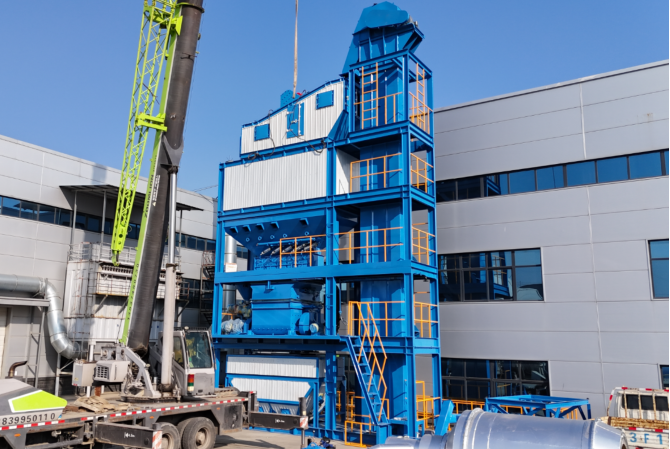
mobile plant has a compact footprint and requires minimal site preparation—often just leveled ground. It is ideal for small or leased land. A stationary plant needs extensive space for foundations, aggregate stockpiles, and permanent structures, making it suitable for large, owned yards.

4. Production Scale: Low Volume or High Output?
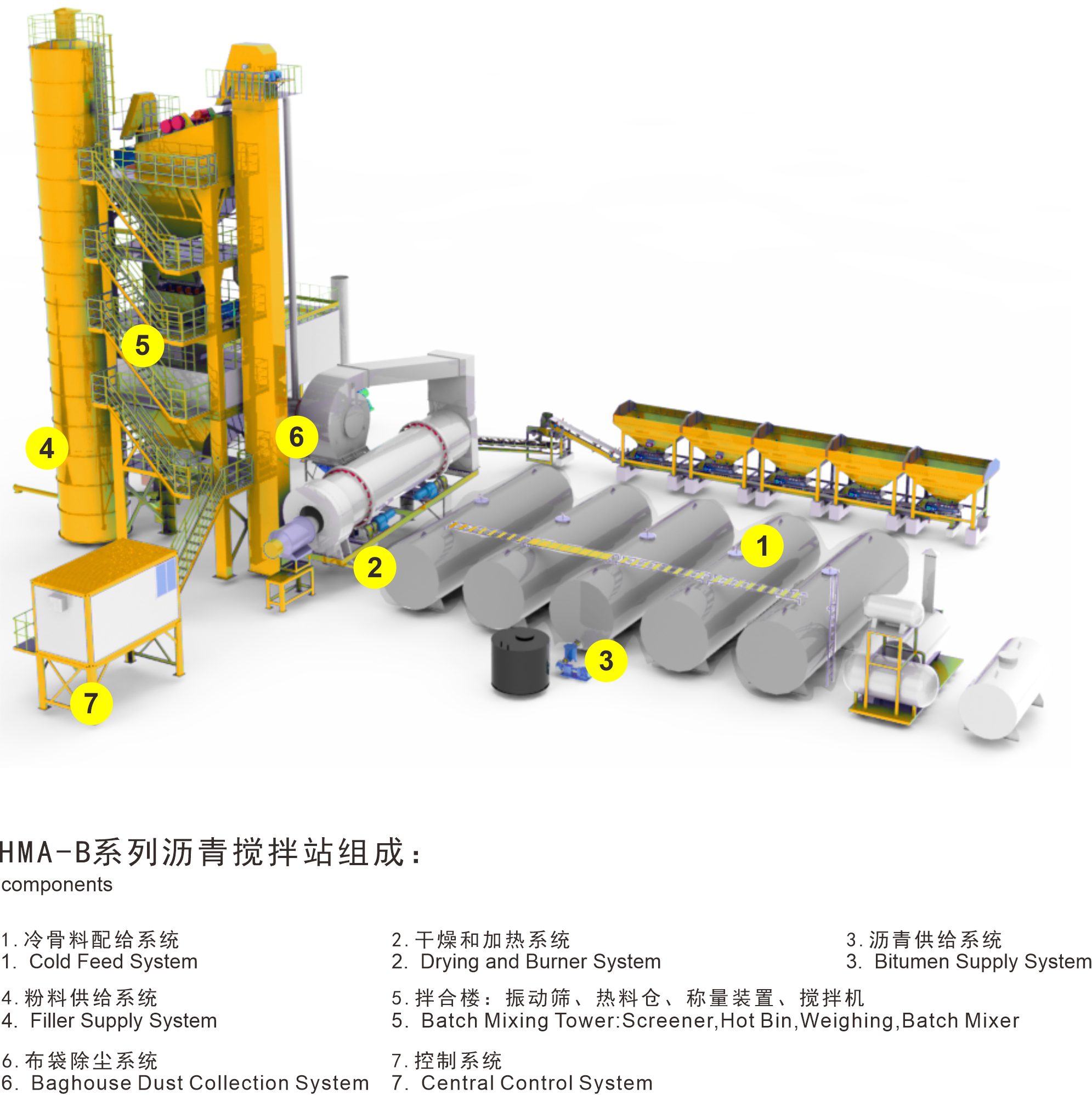
If your projects require 20–150 tons per hour (TPH) , a mobile plant provides sufficient capacity. For massive, high-demand projects needing 200–600+ TPH , only a stationary plant can deliver the continuous, high-volume output required.

In short: Choose mobile for flexibility, remote sites, small areas, and moderate output. Choose stationary for permanence, central locations, large yards, and high production.

Inquiry


    More Video