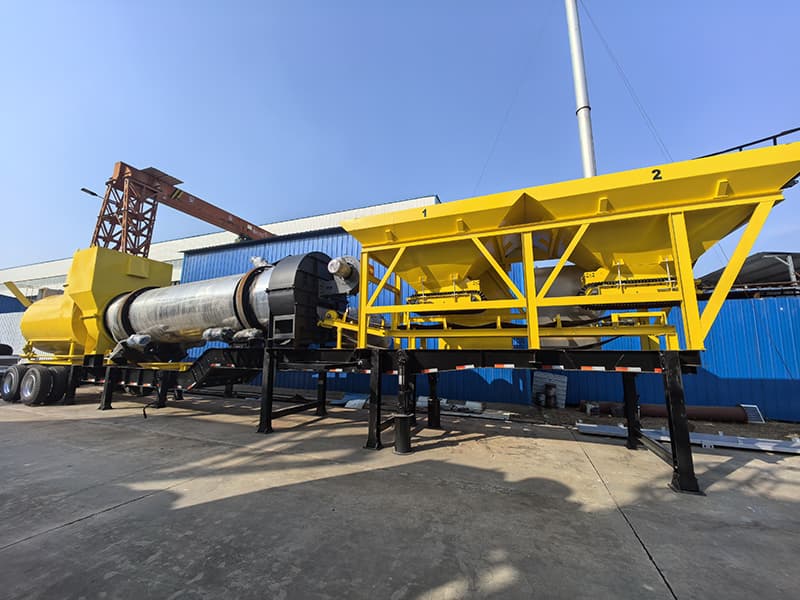
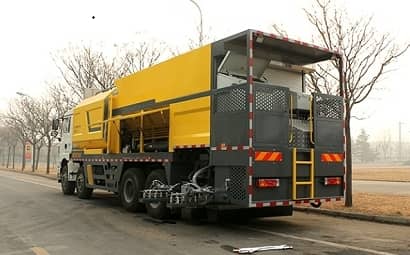
Asphalt mixing station mixture quality and capacity double stability control scheme road engineering construction quality foundation lies in hot mix asphalt mixture (HMA), asphalt mixing station as the only production carrier of mixture, mixture quality fluctuation, hourly capacity fluctuation is the most common pain point on the construction site.Aggregate gradation deviation, asphalt dosage out of control, unstable discharge temperature, large fluctuation of time yield, not only will cause early rutting, loosening, cracking and other diseases of pavement, but also lead to multiple losses such as paving shutdown, waste of raw materials, delay of project duration, quality inspection fine, etc.
This paper combines the actual operation and maintenance standard of asphalt mixing station, AASHTO industry specification, general control logic of batch/continuous drum station, and complete the complete set of practical operation scheme for long-term stable operation of asphalt mixing station.
Stable asphalt mixture quality, also known as hot mix asphalt mixture (HMA) quality consistency in the industry, refers to continuous multi-batch, all-weather production of mixture in mixing station, all indicators continue to fit the target construction mix ratio (JMF), the fluctuation amplitude of detection data is very small, and there is no significant deviation from the specification threshold.
In short, regardless of morning shift, evening shift, rainy day or sunny day, the aggregate thickness ratio, asphalt content, discharge temperature, coating uniformity and volume index of each vehicle mixture shall be kept uniform, and the performance of finished mixture shall be predictable, uniform and reliable, so as to finally ensure the overall durability of pavement after paving.
The stability of mixture quality mainly depends on five core judgment indexes: first, the uniformity of aggregate grading, which needs to ensure the stable distribution of aggregate particle size, avoid the problem of uneven mixture thickness caused by screen damage and unbalanced supply, and eliminate road seepage and rutting diseases; second, the accuracy of asphalt binder dosage, the industry allowable error is only ±0.3%~±0.5%, and the dosage deviation caused by abnormal measurement and temperature shall be strictly controlled; Third, volume index controllability, stable void ratio, mineral aggregate void ratio, asphalt saturation three core parameters; fourth, discharge temperature constant, conventional mixture needs to maintain 150~170℃ standard temperature; fifth, mixing coating effect, to ensure that the aggregate is evenly coated with asphalt throughout the process, no caking exposed.At the same time, Marshall stability, compaction density and other laboratory indicators should be combined, and low dispersion of data represents stable mixture quality.
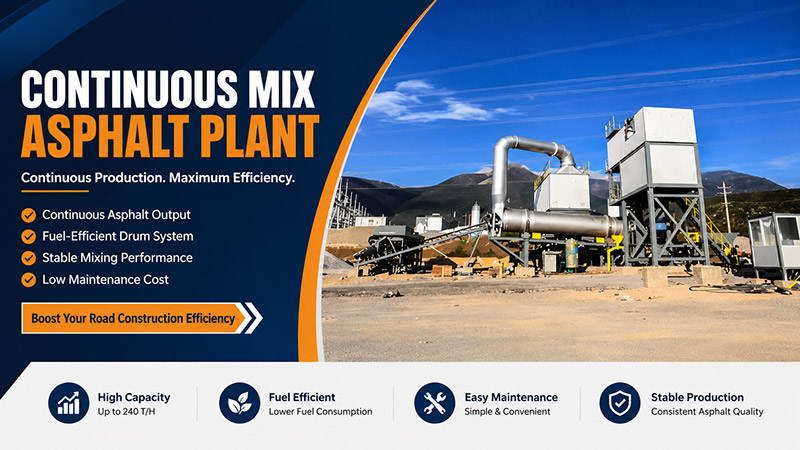
Stable production capacity of mixing station The same key production capacity stability refers to the hourly discharge tonnage and daily total output of mixing station to maintain the design rated production range for a long time, without frequent shutdown, sudden and slow discharge, intermittent material failure and other problems.Mixture quality and mixing capacity are bound to each other. Capacity fluctuation will reverse the mixture quality and directly impact the project schedule and operating cost.
Unstable production capacity will directly disrupt the project construction and material scheduling.Insufficient discharge of mixing station will lead to idle paving equipment and continuous labor and machinery rental expenses; sudden increase in production capacity will lead to congestion of transportation vehicles, and mixture will be retained, cooled and separated and scrapped.At the same time, the imbalance of cold and hot materials storage and the failure of fleet scheduling further aggravated the waste of materials and disrupted the overall construction rhythm.
The large fluctuations in project profit
capacity also push up the cost of mixture production.When the equipment runs below the rated load, the drying and combustion systems cannot work efficiently, and the fuel energy consumption increases; frequent start and stop aggravate the wear of parts, and the failure and unqualified waste increase.Stable full production can dilute fixed expenses such as labor and depreciation, increase unit cost due to fluctuation of production capacity, and continuously reduce project profit.
Productivity is closely related to mixture quality, stable discharge has multiple long-term values.Raw materials, equipment problems not only cause output fluctuations, but also cause grading, temperature index out of control; uniform production is convenient for quality control, timely avoid batch waste.Stable production capacity can accurately plan the construction period, avoid the risk of default, reduce the impact wear of equipment, reduce energy consumption and emissions, meet the continuous paving requirements of high-speed and municipal projects, and prevent the formation of construction cold joints on the pavement.
Third, the core factors affecting the quality of the mixture and the stability of the mixing capacity The fluctuation of the quality and output of the mixing station is not a single equipment problem, but a superposition of four dimensional factors: raw materials, equipment calibration, process operation and environmental external conditions. The incentives are interrelated. The moisture content of the aggregate and the accuracy of the cold material system are the two variables with the greatest impact.
Raw material dispersion is the first cause of index drift in mixing station, and any index change of aggregate, asphalt and recycled material synchronously impacts productivity and mixture quality.
Aggregate performance consistency There are huge differences in grading, particle shape, angularity and cleanliness of stockyard; improper stacking of stockyard will cause segregation, and the fine material on the surface layer and coarse material on the bottom layer will be fed alternately, which will directly cause continuous changes in grading of hot silo after screening.Aggregate mud content exceeds the standard will also weaken asphalt cohesion, causing loose pavement.
Aggregate moisture content Aggregate moisture content is the core bottleneck limiting production capacity: high moisture content will prolong the drying time, directly reduce the hourly output; drying is not complete residual moisture, will cause the mixture internal void rate exceeds the standard, asphalt spalling, while the burner fuel consumption skyrocketing.The drastic fluctuation of moisture content in open air pile in rainy days is the core reason for the large difference between morning and evening indexes.
The viscosity and softening point of asphalt binder in different batches are different; the temperature of storage tank is out of control, the viscosity of asphalt changes, the flow rate of metering pump shifts, and the asphalt content continues to exceed or be insufficient.
RAP/RAS and additive fluctuation of recycled materials The recycled old materials are caked, the moisture content is not controllable, and the blending ratio of recycled materials is unstable; the intermittent supply of anti-rutting agent, fiber and other additives will change the overall volume index and road performance of the mixture.
There are many equipment failures and operation defects in the cold material supply, screening and drying combustion system of mixing station: the calibration failure of the cold material door, the zero drift of the belt scale and the belt slip cause the unstable aggregate feeding ratio and grading fluctuation, and the uneven blanking speed causes the fluctuation of the whole machine capacity; the problems such as screen wear, blockage and improper selection cause aggregate overflow in the bin, which makes the grading of the hot material bin deviate from the design standard and causes the mixture thickness imbalance; Abrasion of material lifting plate of drying drum, deviation of flame of burner and imbalance of air-oil ratio cause unstable drying temperature of aggregate, decrease of drying efficiency and decrease of overall production capacity.
Faults of weighing and metering, mixing cylinder and dust removal system directly affect the quality of finished mixture: drift of weighing sensor, accumulation of material in hopper, wear of asphalt pump and blockage of pipeline lead to failure of metering accuracy of asphalt and mineral powder and unqualified proportioning index; wear of mixing blade and lining plate leads to insufficient effective mixing time and uneven coating of aggregate asphalt, resulting in partial segregation of mixture; Blockage of dust collection bag and imbalance of wind pressure of fan make the recovered fine powder unstable, change the proportion of fine aggregate, and finally affect the volume index of mixture.
include lack of temperature control, unbalanced production load matching and loose control of recycled material blending: lack of continuous temperature monitoring of aggregate, asphalt and finished mixture, failure of timely replacement of failed sensors, easy to cause temperature range out of control; equipment operating at low speed below rated capacity for a long time, imbalance between supply and demand of cold and hot bins, difficulty in achieving process steady state, frequent change of mix ratio and lack of trial mixing transition, resulting in continuous fluctuation of indicators; During the production of high proportion recycled materials, the moisture content and preheating temperature of recycled materials are not controlled separately, and the mixing of new and old materials is not sufficient.
Are affected by various environmental and external conditions, and there are many problems in production: rainfall weather will increase the moisture content of aggregates, extreme high and low temperature environment will not only accelerate asphalt cooling, but also increase the heat preservation energy consumption of storage tanks; at the same time, the logistics transportation scheduling is unreasonable, the number of transport vehicles is insufficient, and the unloading of silos is congested, resulting in frequent start and stop of mixing stations, resulting in continuous fluctuation of mixture temperature and ratio; In addition, operators lack standardized professional training and fail to adjust in time in the face of small drift in production indicators, resulting in continuous output of unqualified materials.
stable asphalt mixture quality standardization practical operation scheme mixture quality stability is divided into four stages: pre-production preparation, start-up trial production, normal continuous discharge, continuous optimization, the whole process closed-loop control, synchronous improvement of capacity stability.
Review the construction mix ratio JMF design document against the project specification, AASHTO standard to verify the target mix ratio, fully consider the aggregate crushing loss, recycled material performance fluctuation, lock void ratio, VMA, VFA core volume index; new material source, high mixed recycled material must be carried out in advance trial mixing test, determine the optimal mixing parameters.
Unified calibration and equipment pre-inspection of the whole station equipment·Cold bin belt scale, hot bin weighing sensor, mineral powder metering system, asphalt metering pump are all zero-calibrated;
Standardized pretreatment material piles in raw material storage yard shall be stacked in layers, and partition walls shall be set to prevent mixing; full canopy shall be covered, and drainage ditch shall be set on site to reduce aggregate moisture content; raw materials entering the site shall be tested batch by batch for screening, moisture content and cleanliness, and unqualified raw materials shall not enter the site; asphalt storage tank shall be kept at constant temperature, and the temperature of storage tank shall be monitored daily.
Establish laboratory quality control process and operator training to clarify sampling frequency, screening/asphalt content/Marshall test operation standard, set up upper and lower control limits of indicators; set up automatic data recording board, draw quality control chart; carry out indicator drift identification and equipment fine adjustment practical operation training for operators.
Automation system 24 hours real-time monitoring Relying on the PLC automatic control system of the mixing station, real-time collection of moisture content, feed flow rate of each bin, weighing data, temperature of the whole section; large screen real-time display of various indicator curves, drift instant warning.
A complete index test shall be carried out for every 500~1000 tons of mixture sampled in the fixed cycle laboratory, including screening, asphalt dosage, compaction density and volume index; the change trend of indicators shall be observed through the control chart to predict potential faults in advance.
Classification and rapid disposal of various indicators abnormal grading deviation: shutdown inspection screen damage, cold bin blanking imbalance, recalibration belt scale;
Short time maintenance of production gap Daily short time shutdown of production gap to clean weighing hopper accumulation, check belt wear, continuous production without obvious equipment defects.
.jpg)
Special strategy for capacity improvement and stable control of asphalt mixing station Under the premise of ensuring that the quality of mixture does not decline, stabilize and improve the hourly discharge capacity from four dimensions of process, equipment, personnel and supply chain, and solve the problem of high and low production capacity and failure to reach the rated output.
Rapid troubleshooting and solutions for high-frequency faults in mixing stations Batch and drum continuous mixing stations all have common mechanical, quality and environmental faults. The following classification combs fault symptoms, incentives and on-site rapid treatment schemes to reduce downtime and stabilize mixture quality and production capacity.
mixture moisture exceeds standard, abnormal smoke exhaust, large temperature fluctuation, fuel consumption explosion The abnormal drying of mixture mainly comes from four kinds of working conditions and equipment failures: burner nozzle blockage, flame deviation, air oil ratio imbalance, need to regularly clean the nozzle, calibrate the ratio to stabilize the flame; On rainy days, the moisture content of aggregate is high, need to do a good job of rain prevention, slow down and delay drying; The roller lifting plate is worn and fallen off, resulting in uneven drying of aggregate, and it is necessary to replace accessories in time; The drum speed is too fast and the material drying time is insufficient. The speed can be lowered to match the feeding capacity to improve the drying effect.
mixture overheating blue smoke, low temperature compaction difficulties thermocouple temperature sensor easy to drift, damage problems, need to be calibrated regularly, the damaged sensor timely replacement; burner has insufficient regulation interval, large and small fire switching lag, need to repair servo regulation module, improve automatic control feedback response speed; automatic control system signal delay fault, can be solved by repairing PLC circuit, optimize program response speed.
asphalt content detection fluctuates, mixture flooding or loose asphalt conveying pump gear wear will cause metering accuracy deviation, so it is necessary to carry out lowering calibration test every month, and replace accessories for worn pump body in time; asphalt pipeline is blocked by high temperature coking, so it is necessary to regularly dredge pipeline and stabilize tracing temperature; abnormal temperature of asphalt storage tank is easy to cause asphalt viscosity fluctuation and affect conveying flow, so it is necessary to monitor the operation status of storage tank insulation system 24 hours a day.
dust visible in the chimney, bag pressure difference is too high, bag damage ash leakage disposal measures: bag due to moisture condensation adhesion dust caused by paste bag blockage, need to check the pipeline leakage problem and optimize the pulse ash cleaning cycle; exhaust temperature exceeds the standard easy to cause bag high temperature ablation, need to strictly control the drying discharge temperature and replace the high temperature resistant bag; in view of fan air pressure imbalance, damper adjustment abnormal problems, need to adjust the dust damper, and repair the fan bearing and belt.
sensor drift, hopper wall accumulation; treatment: zero before each shift production, regular cleaning hopper accumulation, quarterly calibration weighing sensor.Uneven mixing of mixing tank: wear of mixing blades, overcharging; treatment: measuring blade clearance, controlling batch capacity of single mixing.
The internal lifting structure of the drum is worn and the material is separated. It is necessary to repair the drum diversion lifting plate and match the downstream/countercurrent process.RAP recycled material caking, high moisture content, need to install vibration scattering device in the bin, recycled material pre-screening in advance to control humidity.Blue smoke is produced due to overheating of recycled materials. Adjust the feeding point of recycled materials and control the preheating temperature.
mixture segregation, cooling too fast, asphalt flow bin discharge drop is too large separation of coarse and fine materials; treatment: add buffer unloading device, reduce the finished material storage for a long time.Storage bin insulation layer damaged heat dissipation fast; treatment: repair the warehouse insulation structure, low temperature environment to shorten storage time.Discharge gate seal leakage; treatment: replace gate seal rubber strip.
Standardized periodic maintenance is the key to reducing failures, stabilizing production capacity and mixture quality. Establish a daily, weekly, monthly, quarterly, semi-annual and annual maintenance mechanism, and support status monitoring and standardized account management.
Daily maintenance: observe drying flame, fuel pressure and exhaust gas; check asphalt tank temperature, pump leakage and tracing pipeline; record dust bag pressure difference and chimney emission; check conveyor belt deviation and abnormal noise; compare sensor values and consult equipment alarm information.
Weekly maintenance: grease each bearing, check gear box oil level; check screen and fasteners; clean dust collection pipe water, debug pulse ash cleaning device; simple calibration cold material belt scale; check heat transfer oil system leakage and oil level.
Monthly maintenance: calibrate asphalt metering pump, clean filter; calibrate weighing sensor with weight; check roller lifting plate; infrared detect electrical circuit; detect wear of dust removal fan and recycled material conveying equipment.
Quarterly maintenance: overhaul the refractory layer of the drum and the roller raceway; detect the clearance between the blades and lining plates of the mixing cylinder; check the sealing and insulation of the finished product bin; check the third-party verification of the weighing equipment; check the rust condition of the dust removal box.
Semi-annual maintenance: gearbox, hydraulic oil sampling test; backup PLC control system, detection grounding; detection of burner thermal efficiency; replacement of aging hydraulic pipeline.
Annual overhaul (implemented in off-season): evaluate and replace the lifting plate of the roller, repair the refractory layer; replace the dust removal bag and box anti-corrosion; comprehensively inspect the electrical and steel structure; detect the flaw of the bin and verify the weighing system; detect the environmental protection of the exhaust gas; sort out the maintenance account and update the spare parts list.
Conclusion
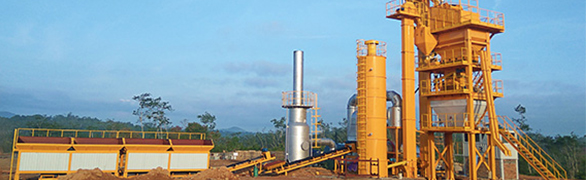
Asphalt mixing plant mixture quality stability and stable output capacity are complementary two sets of control systems, raw material control is the foundation, equipment measurement calibration is the core, standardized process operation is the guarantee, periodic graded maintenance is a long-term means.
Control aggregate moisture content from the source, accurately calibrate cold and hot material metering system, establish full-process real-time quality control system, implement graded fault diagnosis and landing normalization maintenance plan, continuously reduce mixture index dispersion, stabilize hourly discharge capacity of mixing station, greatly reduce pavement diseases, raw material loss and shutdown delay cost, and comprehensively improve road engineering construction quality and comprehensive income of the project.

.jpg)
.jpg)