Industrial burner is the core equipment of industrial thermal system, widely used in boiler steam production, aggregate drying, metal smelting, chemical incineration and other industrial production scenarios. In 2026, the global industrial burner industry will usher in a brand-new transformation of low carbon, digitalization and hydrogen adaptation. The market scale will reach USD 7 - 10 billion, and the compound growth rate will remain at 3.6%-9.75% before 2030. Asia-Pacific will be the core incremental market, and Europe and America will focus on low-carbon transformation of old equipment. According to the selection, cost reduction and compliance requirements of practitioners in metallurgy, chemical industry, building materials, thermal power and other industries, this paper relies on the latest industry report, integrates burner principle, market trend, head brand, scenario selection, cost accounting, energy saving and efficiency enhancement, manufacturer selection and other core contents, which are both professional and practical, providing comprehensive reference for enterprise equipment procurement and operation and maintenance.
.jpg)
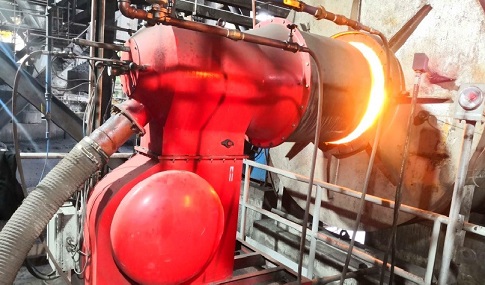
Industrial burner is a set of precision mechanical combustion equipment, the core function is to mix natural gas, diesel oil, heavy oil, methane, hydrogen and other fuels with combustion air/oxygen accurately, through stable ignition to form a controllable flame, continuous output of high-power heat, service for large-scale industrial heating process. Compared with civil and commercial small combustion equipment, industrial burners are designed for 24-hour continuous operation. They have extremely high standards in combustion accuracy, fuel compatibility, pollutant control and automatic linkage adaptability. The core goal is to achieve nearly 100% complete combustion of fuel, maximize the conversion of fuel chemical energy into available heat energy, and strictly control exhaust emissions such as nitrogen oxides and carbon monoxide.
A set of qualified industrial burners is not only a single mechanical component, but an integrated equipment integrating air supply system, fuel delivery system, mixing chamber, ignition unit, flame stabilization structure and intelligent sensing safety control system. Modern high-end models are also equipped with Internet of Things modules, which can be connected to the factory digital management platform for remote control.
The whole combustion process is divided into six consecutive links. Any imbalance of parameters in one link will directly lower thermal efficiency and increase pollutant emission:
the first stage is combustion supporting medium supply, relying on forced air supply by fan or natural negative pressure to extract air, and some high temperature conditions will be equipped with flue gas waste heat recovery device to preheat air and improve heat utilization rate; The second stage is fuel transportation, gaseous fuel is quantitatively injected through precision nozzle, diesel oil, heavy oil and other liquid fuels are decomposed into micron-level fine droplets after high pressure atomization treatment to ensure full combustion; in that third stage, oil-gas/gas-gas mix is carried out, fuel and air are mix to a stoichiometric ratio close to each other through two main flow structures of nozzle mixing type and premix type, a small amount of excess air is reserved to ensure complete combustion and avoid hidden danger of explosion safety; In the fifth stage, flame stability and heat transfer, the burner generates stable flame with specified length, diameter and flow rate according to the internal space of the supporting furnace, drying drum and boiler, and conducts heat to the inside of the equipment to complete material heating; finally, safety intelligent regulation, pressure, temperature and flame detection sensors collect operation data in real time, and the intelligent controller automatically adjusts the firepower. Once flameout, overpressure and high temperature faults occur, interlocking shutdown protection will be implemented to eliminate safety accidents.
The industry will divide the models according to the four dimensions of fuel type, air heat exchange structure, oil-gas mixing mode and emission standard. Different classifications correspond to completely different applicable working conditions and procurement costs:
from the fuel dimension, natural gas burner is the most widely used model at present, with high cleanliness and simple operation and maintenance; Fuel burner is divided into light diesel oil and heavy oil models, and heavy oil burner needs supporting heating device to reduce oil viscosity; Dual fuel/multi-fuel burner can switch gas, fuel oil and even biogas freely to resist fuel price fluctuation; Hydrogen adapter burner is a new category in recent years, which specially solves the technical pain points such as fast hydrogen combustion speed, easy tempering and difficult nitrogen oxide control.
According to the air heat exchange structure, the conventional cold air burner has simple structure and low cost; the hot air burner uses waste heat to preheat the combustion air; the regenerative burner works alternately in pairs to maximize the recovery of exhaust heat; the oxygen burner uses pure oxygen instead of air to adapt to the ultra-high temperature smelting scene, greatly reducing the flue gas emission; Low nitrogen and ultra-low nitrogen burners rely on staged combustion and flue gas recycling technology to control nitrogen oxide emissions within 5ppm, which is suitable for urban plants with strict environmental protection control.
According to the mixing structure, it can be divided into nozzle mixing type and premixed type. The nozzle mixing safety is higher, and it is suitable for heavy oil and high hydrogen fuel; premixed type combustion is more sufficient, nitrogen oxide control performance is better, and it is mostly used in natural gas boiler scenarios.
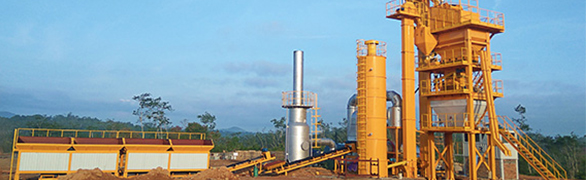
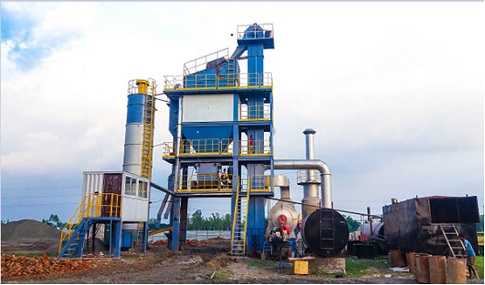
As the "heart" of industrial thermal system, burners cover almost all high temperature processing industries: thermoelectric and plant heating industries rely on burners to drive boilers to produce steam; metallurgy, glass, ceramics, cement industries complete high temperature melting and calcination of ores, glass raw materials, clay, cement raw materials through furnace burners; asphalt mixing station drying drum in road building materials industry, relying on special burners to heat sand aggregate; Food processing, fine chemical industry, petroleum refining supporting drying equipment, reaction kettle heating, thermal oxidation incinerator; paper industry alkali recovery furnace, ship supporting thermal equipment will also use special industrial burners. The working conditions of different industries vary greatly. The regenerative burner in cement plant, the drying burner with large adjustment ratio in asphalt station and the ultra-low nitrogen process burner in refining and chemical industry all need to be customized and cannot be used universally.
In 2026, the global burner industry is in a critical transition period from traditional equipment to low-carbon intelligent equipment iteration. The tightening of environmental protection regulations in various countries, the transformation of energy structure and the popularization of industrial digitalization jointly promote the five mainstream development directions, which are also the core consideration standards for enterprise equipment upgrading and new project procurement.
Environmental protection policies around the world continue to increase, EU updates industrial emission directives, US EPA issues boiler nitrogen oxide control standards, and China comprehensively implements ultra-low emission transformation of industrial equipment, directly promoting low nitrogen and ultra-low nitrogen burners to become a hard choice for new plant areas and old equipment transformation. At present, mainstream emission reduction technologies include staged combustion, flue gas recirculation (FGR), micro-mixed combustion, lean combustion, new flame stabilizer structure, high-end customized models can achieve nitrogen oxide emissions below 1ppm. For mature industrial markets in Europe and America, the demand for replacement of original high-emission burners continues to be released, environmental compliance has become the first threshold for equipment procurement, and models that fail to meet emission targets will not be put into production through EIA.
Low-carbon decarbonization is the main line of long-term development of global industry. Hydrogen as zero-carbon fuel drives the rapid landing of hydrogen burner technology. The new generation burner not only supports the combustion of natural gas-hydrogen mixture, but also the head brand has launched commercial models capable of stable combustion of 100% pure hydrogen, overcoming technical difficulties such as too fast hydrogen combustion speed, tempering and high temperature NOx surge. At the same time, the market demand for dual-fuel and multi-fuel models continues to rise. The design of free switching of natural gas, diesel oil, biogas and hydrogen-doped fuel helps factories avoid the production risks caused by single fuel supply interruption and sharp rise of oil price and gas price. The pilot project of pure hydrogen transformation of refineries has verified the long-term feasibility of such equipment, and the subdivision track of hydrogen burner will maintain rapid growth in the next few years.
Global energy costs continue to rise, countries have issued hard targets for industrial energy conservation and consumption reduction, and the demand for regenerative, heat exchange and high-speed injection high-efficiency burners has increased significantly. This kind of equipment preheats combustion air by recovering exhaust heat. The thermal efficiency of ordinary cold air burner is only about 50%, and the comprehensive thermal efficiency can be increased to more than 70% after supporting waste heat recovery structure. At the same time, the industry continues to optimize the automatic control logic of burner adjustment ratio and oil-gas ratio to maintain optimal combustion conditions under full-load and low-load production conditions, and directly reduce fuel consumption from the equipment hardware level.
Industrial burners have been upgraded from pure mechanical heating equipment to intelligent assets in factories, and digital transformation is the core growth point of the industry in 2026. Modern models are equipped with a full set of intelligent sensors and Internet of Things modules to collect flue gas oxygen content, carbon monoxide, nitrogen oxides, flame status, fan energy consumption, fuel consumption data in real time, and remotely monitor equipment operation efficiency and emission indicators; relying on artificial intelligence algorithms to realize automatic combustion optimization and fault predictive maintenance, the system can adjust oil and gas ratio independently without manual on-site debugging; The equipment can be connected with combustion management system, frequency conversion fan and factory digital twin platform. After digital transformation of many enterprises, the overall fuel consumption can be reduced by about 12%, the shutdown maintenance time can be greatly reduced, environmental protection emission report can be automatically generated, and the environmental impact assessment management work can be simplified.
The market demand presents obvious regional differentiation characteristics: Asia-Pacific region relies on infrastructure, chemical industry and metallurgy to build new production capacity, and burner sales increment is leading in the world; Europe and North America have limited new industrial projects, and the market is dominated by replacement of old equipment, ultra-low nitrogen transformation and upgrading of hydrogen energy equipment, and customers are more willing to purchase high-end low-emission and digital models. At the supply chain level, tariff policy adjustments in various countries promote manufacturers to adopt modular design and regional localized parts supply, reducing the delivery cycle and cost of cross-border procurement.
The overall development prospect of the industry is stable, but the growth rate is restricted by the investment scale of industrial fixed assets and the construction progress of hydrogen supporting infrastructure in various regions. After 2026, equipment thermal efficiency, pollutant control capability, multi-fuel adaptability and digitalization capability will become the core competition barriers of burner brands. All major head enterprises will concentrate on R & D of hydrogen energy, ultra-low nitrogen and intelligent integrated combustion platform for resource layout.
Combined with the comprehensive ranking of many 2025-2026 industry research reports such as Global Market Insights and Reportprime, the global market share, track technology strength, global service network, ultra-low nitrogen and hydrogen energy technology reserves are integrated to sort out the top ten mainstream industrial burner manufacturers in the world, and at the same time distinguish the advantageous track and regional market layout of each brand, so as to facilitate enterprises to screen suppliers on demand.
Honeywell Thermal Solutions (USA) Has been ranked first in the global market for many years. By 2025, the global market share of a single brand will exceed 11%, leading the industry in comprehensive strength. The core advantages of the brand focus on process burners, a full set of intelligent combustion control systems, Internet of Things digital solutions, outstanding adaptation capabilities for chemical, electric power and large-scale boilers, and the integration of ultra-low nitrogen combustion management systems and flue gas online monitoring modules independently developed, which are suitable for large-scale factories with high requirements for automation and environmental protection data control. North American market share advantage is significant, global service network coverage is complete.
Germany Weishaupt European market benchmark brand, gas, dual fuel, high regulation ratio industrial burner reputation outstanding, the full series of standard segmented low nitrogen combustion structure, modular integrated model installation debugging convenient. The brand has been deeply cultivated in the European market for many years, the global dealer system is mature, the adaptability of small and medium-sized boilers, asphalt mixing stations and general industrial drying equipment is strong, the regulated combustion technology is mature, the equipment operation noise is low, and the long-term stability is strong. It is the mainstream imported brand in general industrial scenarios.
American John Kingke Hamworthy (a subsidiary of Koch Engineering) Is the leader in special burners for heavy chemical, oil refining and petrochemical industries. The market share of high-end process burners in North America exceeds 7%. It is good at customizing large-scale complex ultra-low nitrogen combustion systems. For refining furnace, large-scale smelting furnace, tail gas incineration equipment to develop special models, can match the harsh chemical explosion-proof conditions, customized engineering service ability industry top, suitable for large-scale petrochemical, smelting heavy industry projects.
The world's top five general burner brands, integrated gas, fuel burner product line complete, commercial, small and medium-sized industrial scenarios outstanding cost performance. The products are highly standardized and the accessories are highly versatile. The European and Asia-Pacific civil supporting boiler markets have huge shipments. It is one of the preferred imported brands for purchasing small and medium-sized asphalt stations, hot water boilers, and spraying and drying equipment.
Finland Oilon low nitrogen, biomass biogas compatible burner technology leading, Nordic environmental protection standards for many years iteration, the full range of equipment nitrogen oxide emission control performance is excellent, adapt to biogas, bio-oil and other unconventional fuels, food processing, paper, clean energy supporting projects have obvious advantages, Nordic, European local stock transformation market share is stable.
Zeeco and John Kinke form a petrochemical track double leader, torch system, process ultra-low nitrogen burner as the core products, oil refining, coal chemical waste gas incineration, heating furnace project competitiveness is very strong, can customize ultra-large high temperature combustion system, in North America chemical transformation project winning rate is very high, ultra-low nitrogen, pure hydrogen combustion pilot project landing cases are rich.
French Fives regenerative high temperature burner exclusive advantage brand, cement, mineral, glass high temperature calcination furnace special model world-famous, waste heat recovery combustion technology industry benchmark, the main ultra-high thermal efficiency conditions, for building materials high temperature continuous production scene depth optimization, large cement, glass new furnace project priority brand
Baltur compact integrated burner core manufacturer, small and medium-sized industrial, commercial scene coverage, small product size, low installation space requirements, balanced cost performance, European small and medium-sized processing plants, road small asphalt mixing plant widely used, global distribution channels perfect
SAACKE marine thermal system, offshore platform industrial burner subdivision leader, land general industrial burner product line complete, equipment explosion protection, corrosion resistance standards are strict, marine chemical, ship supporting equipment irreplaceable, inland metallurgy, boiler equipment also has mature standardized models.
ANDRITZ/Alfa Laval (Austria/Sweden) two brands complement each other on the track, ANDRITZ specializes in paper alkali recovery furnace, special waste liquid incinerator burner; Alfa Laval advantages focus on fluid heat exchange equipment, ship industry thermal equipment, special niche industrial scene irreplaceable.
In addition to the top ten brands on the list, Mitsubishi Power of Japan, Selas of the United States, Bloom Engineering, Forbes Marshall of India and domestic burner manufacturers all have stable shares in the regional market. It should be noted that the brand advantages of different subdivision tracks vary greatly. Honeywell, John Kinke and Zeeco are preferred for petrochemical process burners; Weisuo, Liya Road and Baide are available for general integrated boiler and asphalt station equipment; Fives is preferred for cement high temperature furnace heat storage equipment. The ranking will be dynamically adjusted by enterprise merger and acquisition, hydrogen new product release, regional environmental protection policy change, accurate track revenue ranking suggestion to consult paid professional industry report.
Asphalt mixing plant aggregate drying drum is the core equipment of road engineering, burner as the only heat source, directly determines the sand drying efficiency, asphalt mixture finished product quality, fuel gas operation cost, plant environmental protection emission index, divided into intermittent mixing plant, continuous drum mixing plant, mobile small mixing plant three working conditions, selection needs to combine production capacity, fuel, environmental protection, equipment structure multi-dimensional comprehensive judgment.
Burner heating power units commonly used megawatts, million British thermal, matching the mixing station TPH and the original moisture content of the sand. The higher the moisture content of sand, the greater the heat energy required for drying. The peak heat load must be calculated according to the highest moisture content in rainy season. The most common mistakes in procurement are excessive power selection, long-term low-load operation of equipment, insufficient kinetic energy of oil and gas mixture, substantial increase in excess air, increase in carbon monoxide and insufficient combustion hydrocarbons, direct increase in fuel consumption by more than 3%, and huge long-term operation cost loss.
It is recommended to reserve a reasonable adjustment range in the selection standard, and the minimum adjustment ratio of the burner shall be guaranteed to be 1:4. The large fixed mixing station shall be optimized for 1:6 to 1:10 high adjustment ratio models. Stable combustion efficiency shall be maintained when the production load fluctuates. The equipment shall operate in the rated condition range for a long time to give full play to the optimal combustion performance.
Fuel type is the core decision-making point of type selection. The adaptation scenarios of five mainstream models are clearly different:
the thermal efficiency of natural gas burner can reach more than 90%, the emission of nitrogen oxides and particulate matter is the lowest, the daily maintenance workload is extremely small, only gas pipeline needs to be laid in the factory area, and the environmental protection control in urban suburbs is strictly controlled. The optimal choice of mixing station; Diesel light oil burner has fast startup response speed, simple equipment structure, no need for complex supporting storage tank, suitable for small mobile and remote temporary construction site, but the unit price of fuel for long-term use is relatively high; Heavy oil burner fuel procurement cost is the lowest, energy density is high, suitable for 100 tons of large-scale fixed mixing station, the disadvantage is that it needs to be equipped with 80-120 degrees oil temperature heating system, atomization maintenance frequency is high; pulverized coal burner fuel cost is the lowest, only suitable for coal resources rich, environmental protection control loose area, need to be equipped with dust removal desulfurization equipment, operation and maintenance system is complex; The oil-gas dual-fuel burner can freely switch between natural gas and diesel oil, avoid large fluctuation of gas price and oil price, and ensure uninterrupted production. At present, the mainstream selection of medium and large mixing station reconstruction and new construction projects, only the initial purchase price of equipment is higher than that of single-fuel model.
Selection can not only compare equipment purchase price, must calculate 5-10 years full life cycle cost, comprehensive fuel purchase cost, accessories maintenance, environmental protection management investment, dual-fuel model long-term comprehensive cost advantage is significant.
The control standards for nitrogen oxides, carbon monoxide and dust in urban and suburban industrial parks are strict. Natural gas or dual-fuel ultra-low nitrogen burners must be selected for such sites, and staged combustion, flue gas external circulation FGR and premixed combustion technologies must be matched to ensure stable emission standards under full load conditions. Pure fuel oil and pulverized coal burner have high concentration of exhaust pollutants, so it is necessary to install additional denitration and dust removal equipment to increase equipment investment and operation and maintenance workload; remote rural construction sites have loose environmental protection requirements, and heavy oil and diesel engine types can be selected according to cost. In the procurement stage, the manufacturer is required to provide the third-party emission test report of the same type of equipment to ensure that the high and low load production status meets the EIA limit.
First, combustion adequacy and oil-gas ratio accuracy, ideal model air-fuel ratio control error within ±1%, heavy oil model atomized droplet diameter control below 15 microns, prevent incomplete combustion to produce carbon deposition, black smoke; Second, flame shape adaptation drum size, flame diameter can not contact the inner wall of the drum, avoid local overheating of aggregates coking, support flame length adjustment; Third, PLC digital control is preferred for automatic control system, which is matched with roller discharge temperature feedback and real-time monitoring of flue gas oxygen content to automatically adjust the temperature of stabilized aggregate; fourth, safety supporting structure, long open fire ignition, shutdown purging procedure and pressure flameout interlock protection must be complete; fifth, equipment operation and maintenance convenience, outdoor dust environment of mixing station is harsh, sufficient operation space shall be reserved for burner filter screen, nozzle and inspection port, and accessories shall be available locally.
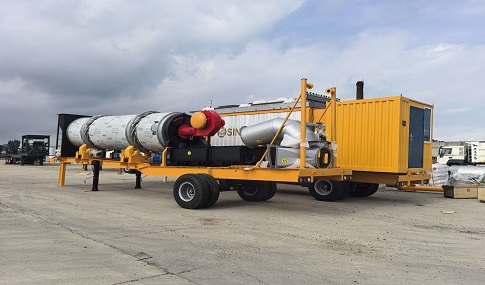
Intermittent start and stop of intermittent mixing station requires fast ignition response speed and sensitive fire regulation of burner; counter-current continuous drum drying equipment runs continuously at full load for a long time, giving priority to high stability heat storage and heat exchange efficient models; mobile portable mixing station gives priority to diesel integrated small burner, convenient disassembly and assembly without complicated supporting pipelines; fixed high production mixing station recommends natural gas/heavy oil dual fuel high power model.
At the same time, low-carbon transformation and upgrading space is reserved. Hydrogen compatible multi-fuel burners can be directly selected for long-term carbon neutralization planning in the plant area. In the later stage, hydrogen-doped combustion can be carried out only by replacing a small number of accessories, without replacing the equipment as a whole.
In 2026, the global industrial burner equipment purchase price range is very large, small commercial equipment hundreds of dollars, large-scale customized chemical process burners can reach hundreds of thousands of dollars, the price is affected by multiple factors such as heating power, fuel type, ultra-low nitrogen configuration, automation system, brand origin and customization demand. The following quotations are bare metal ex-factory prices, excluding piping, electronic control transformation, transportation, installation and commissioning costs. The overall investment in supporting projects will increase by 30%-100% on the basis of equipment.
Low-power models (1-5 million British heat/hour): suitable for small hot water boilers, spray drying boxes, small experimental heating equipment, price range of 500-15000 US dollars, domestic basic integrated gas models fall at the lower price limit, imported Weisuo, Liya Road standard models are in the middle of the range.
Medium power models (5-30 million BTH): small and medium-sized industrial boilers, small asphalt mixing stations, general models of chemical drying equipment, mainstream market quotation of 10,000 - 80,000 US dollars, dual fuel, ultra-low nitrogen configuration will increase the quotation by 20%-40%, mainstream burners of asphalt stations in the market are concentrated in the range of 15,000 - 80,000 US dollars.
High-power models (30-100 million BTH or more): large fixed asphalt mixing plants, small cement kilns, thermoelectric boiler burners, starting at $50000 for basic style and up to $250,000 for customized models.
Ultra-large customized process burners: refining heating furnace, large-scale metallurgical smelting kiln special equipment, a full set of customized system quotation of 100,000 to 500,000 US dollars, pure hydrogen, ultra-low nitrogen customized scheme price fluctuation is higher.
Heating power is the first influencing factor, the larger the power, the higher the material specification of fan, combustion chamber, nozzle and shell, the higher the manufacturing cost; the fuel type level, the single natural gas model has the lowest cost, and the dual-fuel, heavy oil, pulverized coal and hydrogen adaptation models need to increase atomization, heating and anti-tempering structures, and the procurement cost increases in turn; The emission level is significantly different. The standard ordinary burner has the lowest price. The ultra-low nitrogen model relies on complex combustion structure and flue gas circulation pipeline, and the overall price increases by 20%-50%; the automatic configuration is divided into basic switch control, segmented regulation, PLC frequency conversion and AI intelligent system of Internet of Things. The higher the intelligence degree, the higher the additional cost; The price of imported European and American first-class brands (Honeywell, Weisuo, John Kink) is much higher than that of domestic standardized models, and the price difference of equipment with the same parameters can reach more than double; explosion-proof, high-temperature resistance, marine anti-corrosion special certification, on-site customized transformation scheme, will also increase the purchase cost additionally.
Most enterprises purchase only bare metal quotation, ignoring supporting engineering and long-term operation and maintenance investment: burner gas pipeline, oil pump, electric control cabinet, waste heat exchanger, denitration device installation construction cost, large equipment can reach bare metal price twice; imported brand special parts procurement cycle is long, unit price is high, local manufacturers after-sales parts cost is lower; The purchase price of second-hand refurbished burners is only 40%-60% of that of new ones, but there are risks of substandard emissions and frequent failures. It is not recommended to use them in factories with strict environmental protection control.
The core idea of procurement is to calculate the full life cycle cost. The annual fuel cost saved by high-priced and efficient burners can usually recover the equipment price difference in 2-4 years. The long-term operation cost performance is much higher than that of low-cost and low-efficiency ordinary models. Submit complete working condition parameters to more than 3 manufacturers before procurement to obtain detailed quotation comparison with emission and efficiency guarantee, so as to avoid additional expenditure caused by incomplete information of single quotation.
Every 1%-5% increase in burner thermal efficiency will reduce fuel consumption and carbon emission simultaneously throughout the year. Combined with the three-layer scheme of cost-free on-site commissioning, low-cost accessory transformation and large-amount equipment upgrading, the energy-saving transformation will be completed step by step. After transformation, the comprehensive energy-saving range can reach more than 15%, while reducing exhaust pollutant emission and simplifying environmental protection operation and maintenance work.
Excess air is the core source of heat waste. Excess air absorbs heat and exits the chimney directly with flue gas. General industry reference standard: natural gas burner full load operation flue gas oxygen content control in 2%-3%, excess air to maintain 10%-15% interval. The measured data show that for every 1% reduction in flue gas oxygen content, fuel consumption is reduced by 0.5%, excess air is reduced by 15%, and thermal efficiency is increased by 1%.
Practical operation scheme of landing: Regularly use flue gas analyzer to detect O ˇ, CO and exhaust gas temperature, and correct the opening of fuel valve and air supply damper by professional commissioning personnel; install oxygen content/carbon monoxide linkage automatic correction system, the equipment automatically adjusts the air supply volume according to ambient temperature, fuel calorific value and production load, without manual repeated debugging, and a single set of transformation can stably save 2%-4% of fuel cost; eliminate long-term operation at low load and avoid energy consumption caused by imbalance of air-fuel ratio.
The old-style switch type, single-link linkage control burner has great deviation of oil-gas ratio under high and low loads. It is recommended to replace the independent actuator parallel positioning control system, and the air and fuel are independently adjusted to maintain the optimal combustion curve under all working conditions. The burner with 10:1 high adjustment ratio is selected to match the fluctuation of production load and reduce the heat loss caused by frequent ignition and purging. The fan is equipped with VFD driver to adjust the air supply speed according to the fire demand and reduce the power consumption of the fan. Replace the new generation of digital combustion management system, built-in combustion optimization algorithm, with remote Internet of Things monitoring, real-time optimization of operating parameters.
Waste heat recovery is the most energy-saving transformation scheme, which can be divided into two mainstream modes: heat exchange type and regenerative burner preheat normal temperature combustion air by high temperature flue gas, and the thermal efficiency of cold air burner without waste heat recovery is only about 50%, which can be directly increased to more than 70% after waste heat recovery transformation; The boiler is equipped with an economizer and a flue gas heat exchanger to recover the heat from the exhaust gas to preheat the boiler feed water and fresh air in the plant. For every 22 ° C drop in the exhaust gas temperature, the thermal efficiency increases by 1%. The condensing heat exchange equipment can recover the latent heat of condensation of the flue gas. The energy-saving effect is further amplified. At the same time, the combustion chamber and flue shall be well insulated and sealed to reduce radiation and air convection heat loss, block flue air leakage points, and avoid cold air mixing to increase oxygen content of exhaust gas.
Ash deposit and scaling on burner nozzle, flame stabilizing blade and air filter screen will destroy oil-gas mixing effect, resulting in incomplete combustion and increased energy consumption. Establish monthly, quarterly and annual graded maintenance system, regularly clean and replace worn parts; stabilize oil temperature of heavy oil burner, filter oil well, and avoid impurities blocking atomization hole; check air door seal, flame detector and pressure sensor failure, and timely replace aged seals; Flue gas detection and commissioning under full operating conditions shall be carried out once a year to correct parameter deviation caused by long-term operation.
The combustion structure of the old burner that has been in operation for more than ten years is backward, the air-fuel ratio control accuracy is poor, the nitrogen oxide emission exceeds the standard, and the continuous operation and maintenance cost is too high. It is suggested to directly replace the new generation of ultra-low nitrogen high-efficiency model; the regenerative special burner shall be directly selected under the high temperature furnace condition; the rated capacity shall be strictly matched in the procurement stage, so as to eliminate the problem of large horse-drawn trolley selection and avoid inefficient operation from the hardware source.
All energy-saving transformation suggestions are to complete free flue gas condition detection first, give priority to zero-cost commissioning, low-cost self-control transformation, calculate fuel saving return cycle, then promote waste heat recovery, complete machine replacement large-amount transformation projects, record fuel consumption per unit product before and after transformation, and quantify energy-saving benefits.
Enterprises should not only quote bare metal for purchasing burners. It is necessary to establish a standardized scoring system based on their own working conditions, comprehensively evaluate the technical strength, industry cases, after-sales capability and whole life cycle cost of manufacturers, and avoid procurement risks such as substandard emission, frequent failures and no guarantee after sales.
Before comparing manufacturers, sort out all core technical indicators as hard standards for screening suppliers: rated heating power of burner, minimum regulation ratio; fuel type for long-term use, whether hydrogen doping is planned in the future; type of supporting equipment (boiler, asphalt mixing station, cement kiln, chemical heating furnace); local emission limits of nitrogen oxides and particulate matter; automatic supporting requirements (remote monitoring, oxygen correction, AI optimization); equipment installation environment, altitude, annual continuous operation time. Manufacturers that do not meet the basic hard indicators are directly eliminated to narrow the comparison range.
Product technology and performance: verify the manufacturer's equipment thermal efficiency test report, full-load emission test data, confirm the ultra-low nitrogen, hydrogen compatibility, waste heat recovery technology maturity, combustion structure design, core parts supplier (imported controller, gas valve group) quality, whether to support customized working condition transformation.
Industry implementation cases: Focus on viewing mature project cases that are the same as your own industry, and require on-site contact information from the factory to communicate the actual operating energy consumption, emissions, and failure conditions of the equipment; the company's operating years and global/local installed capacity reflect the maturity of the equipment market verification.
Quality compliance and safety: check CE, UL, ISO, domestic environmental protection certification full set of qualifications, complete flameout, over-temperature, overpressure safety interlock system, factory whole machine full working condition test process, explosion-proof, anti-corrosion and other special working conditions certification documents.
After-sales and localization services: verify the response time of local service outlets and technicians, inventory of common accessories and supply cycle; whether to provide free on-site installation and commissioning, operator training; clarify the warranty period of the whole machine, terms of performance emission guarantee agreement, and whether to provide long-term annual maintenance services.
Comprehensive cost of the whole life cycle: comprehensive bare metal quotation, supporting transformation project cost, annual fuel saving estimate, annual average expenditure of parts maintenance, estimated comprehensive investment of 5-10 years, if the energy consumption of low-cost equipment is high and the after-sales service is expensive, the long-term cost will be higher.
Enterprise R & D innovation strength: annual R & D investment of manufacturers, landing progress of new ultra-low nitrogen and hydrogen combustion products in recent years, whether equipment can be upgraded iteratively according to future environmental protection tightening and energy transformation requirements, so as to ensure that equipment will not be eliminated for a long time.
The first step is to screen 3-5 manufacturers matching working conditions, taking into account the first-line imported brands and high-quality local suppliers; the second step is to submit complete working condition data to each manufacturer, and ask for a formal proposal with technical parameters, emission guarantee, supporting scheme and itemized quotation; the third step is to jointly carry out technical review with the company's process engineer and equipment operation and maintenance person, and answer questions to the manufacturer's technical experts for pain points such as load fluctuation, environmental protection and fuel switching; The fourth step is to visit existing customers in the same industry by telephone to verify the real experience of equipment use; the fifth step is to inspect the local service warehouse of the manufacturer and the site of similar projects in operation; the sixth step is to establish a horizontal comparison table for the full life cycle cost of 5-10 years; large-scale ten-million thermal projects can arrange factory inspection on the spot; finally, negotiate and perfect additional terms such as warranty, emission compensation and on-site service, and sign a formal procurement contract.
Unable to provide complete third-party emission test report, only oral commitment to meet the standard; no local service team, parts procurement cycle more than one month; quotation is extremely low but the scheme is vague, and the scope of supporting electric control and pipeline transformation is not listed; unable to provide landing cases of the same scale in the industry; slow response in sales docking stage, perfunctory technical answer, indicating low after-sales response efficiency in the later period.
For key continuous production conditions such as chemical industry, large-scale cement and 100-ton asphalt mixing station, it is recommended to hire a third-party combustion industry technical consultant to participate in the manufacturer review to avoid major losses caused by shutdown and environmental fines due to type selection errors.
In 2026, the industrial burner industry will enter a period of deep transformation with low carbon, intelligence and multi-fuel adaptation. This core thermal equipment is a key asset for manufacturing, building materials, chemical and other enterprises to control production costs, implement environmental protection compliance and layout carbon neutralization. When carrying out equipment procurement and operation and maintenance management, enterprises shall accurately select equipment in combination with industry trends and their own production scenarios, comprehensively calculate the whole life cycle cost of equipment procurement and operation and maintenance, improve combustion efficiency by means of parameter debugging, intelligent upgrading and waste heat recovery, and systematically compare the strength of major brands to balance the initial investment cost and long-term use value of equipment. In the future, ultra-low nitrogen, digital and hydrogen energy adaptive burners will become the mainstream. Low-carbon upgrading space will be reserved in advance for upgrading and transformation of enterprise equipment, so as to continuously adapt to environmental protection policies and energy structure changes, and realize multiple benefits of energy saving, emission reduction and cost reduction.