In the road construction industry, asphalt mixing plants are the core equipment for the production of road surfacing materials, with the two main types being hot-mix and warm-mix asphalt mixing plants. With the implementation of the ‘Dual Carbon’ policy, stricter environmental regulations and increasing demand for municipal construction, a growing number of construction companies and plant operators are facing the dilemma of how to choose between these two types of equipment. Although the basic structural design of the two is similar, there are significant differences in terms of production temperature, supporting processes, energy consumption and emissions, and suitability for construction. This article will provide a comprehensive analysis across six dimensions—equipment definitions, key distinctions, comparative advantages and disadvantages, selection criteria, retrofitting of existing plants, and long-term return on investment—to help professionals in engineering procurement, plant operation and project management gain a thorough understanding of the rationale behind selecting between hot-mix and warm-mix asphalt mixing plants.
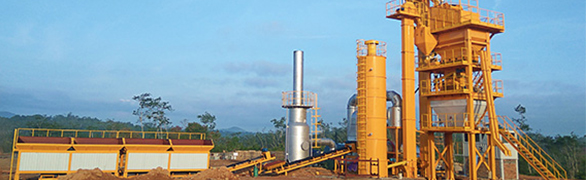
The hot-mix asphalt batch plant is a mature, standardised production facility widely used in domestic road engineering. It is characterised by high-temperature heating and precise batch-by-batch dosing, and is specifically designed for the production of hot-mix asphalt mixtures for high-grade road surfaces. This equipment utilises an intermittent batch production method, with a single batch cycle lasting 45 to 60 seconds; the entire production process is subject to full control and traceability. During production, various aggregates are first metered from cold storage bins, then dried to a temperature of 150–175 °C in a drum, before undergoing hot screening for grading and storage in separate compartments. Aggregate measurement accuracy is within ±0.5 per cent, whilst bitumen proportioning accuracy is within ±0.25 per cent. The precisely proportioned raw materials undergo twin-shaft forced mixing to ensure uniform blending of aggregates and bitumen; the resulting finished mix can be loaded directly onto lorries or temporarily stored for later use.
The equipment offers significant core advantages: its independent batch-by-batch metering mode ensures high mixing accuracy and consistent mix quality; it allows for the incorporation of recycled and modified materials to meet stringent construction standards; and it enables rapid switching between multiple mix designs to accommodate the construction requirements of different pavement structures and project types. Furthermore, with a production capacity ranging from 40 to 400 tonnes per hour and available in both fixed and mobile configurations, it is suitable for construction scenarios of varying scales and durations.
At the same time, the equipment’s technology has been thoroughly validated in engineering practice; it features comprehensive supporting systems, convenient operation and maintenance, and standardised testing procedures. It is primarily used in key infrastructure projects—such as motorways, airport runways and large flyovers—where high pavement strength and durability are required, as well as in large-scale centralised mixing plants for long-term mass production.
The warm-mix asphalt batching plant is not a completely new piece of equipment, but rather a modified and upgraded version of the traditional hot-mix batching plant; it is a core piece of equipment for the low-carbon transition in the transport sector. By installing a specialised warm-mix system, this equipment reduces the production temperature of the asphalt mixture by 20 to 55°C compared to the hot-mix process, thereby enabling the production of mixtures that comply with standards. Currently, the mainstream warm-mix processes comprise three established technologies: the chemical additive system, which injects liquid additives via a specialised pump to reduce asphalt viscosity; the physical foaming system, which uses a small amount of high-pressure water injection to vaporise and expand the asphalt, thereby improving its flowability—this is the most widely adopted solution; and the organic wax modification system, which incorporates solid wax materials to optimise the asphalt’s viscosity-temperature characteristics. The production process is essentially the same as that of a hot-mix plant, requiring only adjustments to the heating temperature and the additive dosing stage. The aggregate heating temperature is controlled between 90 and 140 °C; there is no need to modify core structural components such as the screening and mixing systems, and only auxiliary modules for temperature control and additive metering need to be added.
This equipment offers multiple key advantages. Its low-temperature production mode reduces fuel consumption by 20–30 per cent and significantly cuts emissions of pollutants such as carbon dioxide and asphalt fumes. It is suitable for construction scenarios with stringent environmental requirements, such as urban areas and ecologically sensitive zones, and complies with green, low-carbon construction standards. Furthermore, the temperature of warm-mix asphalt declines more slowly, allowing transport distances to be extended by more than 50 per cent. Its performance remains stable even under low-temperature or rainy conditions, effectively extending the annual construction cycle by 2–3 months. Furthermore, the low-temperature mixing process prevents secondary ageing of recycled materials and consistently increases the proportion of recycled materials used by 5% to 15%, thereby reducing raw material costs. The equipment offers exceptional compatibility; both new and existing fixed and mobile hot-mix batching plants can be retrofitted at low cost, enabling rapid dual-purpose operation for both warm-mix and hot-mix applications. It is suitable for a wide range of scenarios, including municipal refurbishment, low-temperature construction and low-carbon demonstration projects.
While the main hardware structures of the two are similar, there are distinct differences in terms of production temperature, energy consumption, emissions, construction suitability, and operating costs. The table below provides a comprehensive comparison based on practical engineering applications:
|
Comparison Dimensions |
Hot-Mix Asphalt (HMA) Plant |
Warm-Mix Asphalt Plant (WMA) |
|
Production Mixing Temperature |
Aggregate 150–175°C, mix discharge 145–170°C |
Aggregate 90\140°C, mix discharge 95\130°C, overall cooling 30–50°C |
|
Core Supporting Systems |
Combustion heating, asphalt metering, and mixing systems only |
Basic hot-mix complete equipment + foaming/warm-mix additive metering system, intelligent low-temperature control module |
|
Fuel Consumption |
High; fuel accounts for 35%–45% of plant operating costs |
Low; saves 0.8–1 L of fuel per metric ton of mix, offering significant long-term energy cost advantages |
|
Exhaust and flue gas emissions |
High-temperature asphalt emits large amounts of VOCs, black smoke, and pungent odors, creating significant environmental pressure |
Flue gas emissions are reduced by more than 80%, and greenhouse gas carbon emissions are reduced by 40%–50%, meeting urban environmental limits |
|
Mix Transportation and Construction Window |
Rapid cooling allows for shorter transport distances; compaction is difficult when temperatures fall below 10°C, limiting the construction window |
Long-lasting workability prevents clumping during long-distance transport; normal paving and compaction are possible in low-temperature environments above 0°C |
|
Recycled RAP Blending Capacity |
Conventional blending at 20%–30%; high blending ratios lead to accelerated aging and pavement cracking |
Can stably incorporate up to 40%–50% recycled material; old asphalt with low aging levels ensures stable pavement performance |
|
Total Operating Costs |
No additive costs, but higher expenses for fuel, environmental compliance, and operational maintenance |
Increased procurement costs for warm-mix additives, but significantly reduced expenditures on fuel, dust control, and exhaust treatment, resulting in lower long-term total costs |
|
Road Performance |
The technology is mature, with high-temperature stability and water stability widely recognized as reliable |
With proper mix proportions, performance is on par with or even superior to hot-mix asphalt, with higher compaction and greater resistance to water damage |
|
Policy Compliance |
Meets only standard road specifications; no green bonus points |
Aligns with “Dual Carbon,” “Green Construction Sites,” and “Low-Carbon Highways” policies; eligible for project environmental subsidies and bonus points |
|
Flexibility of Equipment Retrofits |
Standard equipment can only produce hot-mix; additional systems must be installed for warm-mix production |
One machine, two functions: switch between hot-mix and warm-mix production modes with a single button, meeting the bidding requirements for various project types |
Road performance proven through extensive engineering practice: With nearly a century of large-scale global application, there is ample long-term pavement data under various climatic conditions and heavy-load scenarios. This has earned widespread recognition from design institutes and supervision bodies, and has never given rise to technical objections in tenders for major high-grade projects.
Aggregates are thoroughly dried at high temperatures: completely eliminating internal moisture and thereby reducing the risk of water damage, potholes and rutting in pavements at source.
Initial equipment investment is straightforward: when purchasing a new hot-mix plant, there is no need for additional warm-mix foaming or additive storage and metering equipment. Daily production requires only bitumen, sand, gravel and mineral powder, eliminating the need for ongoing procurement of warm-mix additives, resulting in lower short-term costs per tonne for auxiliary materials.
High-temperature suitability for specialised modified mixtures: High-viscosity modified bitumen, rubber powder-modified bitumen and high-viscosity permeable pavement mixtures require high temperatures to achieve thorough mixing and coating; the warm-mix process struggles to achieve the same mixing results.
Low barriers to equipment operation and maintenance: Operators, maintenance staff and testing personnel within the industry have long been familiar with hot-mix processes, so no additional specialised training is required. Plant personnel can quickly become proficient, and fault diagnosis during downtime is more efficient.
High energy consumption: The drying drum requires continuous high-power combustion to maintain a temperature above 150°C; fuel costs represent the plant’s largest operational expenditure, and profit margins are significantly squeezed when fuel prices rise.
Rising environmental compliance costs: High temperatures generate large amounts of asphalt fumes, odours and dust; plants located near cities, tourist attractions and residential areas must be equipped with large-scale activated carbon adsorption and exhaust gas scrubbing systems. The costs of operating and maintaining environmental protection equipment, as well as replacing consumables, are high; in some regions, production restrictions or shutdowns are in place.
Short construction window: High-temperature mix cools rapidly during transport, resulting in a narrow effective time window for paving and compaction, whilst long-distance transport leads to significant wastage. During the autumn and winter months, construction is impossible due to low temperatures, shortening the effective production cycle by 2–4 months each year.
Low upper limit on the use of recycled materials: High temperatures accelerate the ageing of recycled asphalt, and high blending ratios can easily lead to fatigue cracking in the road surface; consequently, milled material from old road surfaces cannot be utilised on a large scale. At the same time, procurement costs for aggregates and new asphalt remain high.
Higher occupational health risks for workers: High concentrations of harmful substances in high-temperature fumes mean that workers involved in on-site paving and mixing operations are susceptible to irritation from these fumes; companies must therefore invest more in personal protective equipment and ventilation systems.
.jpg)
When procuring or retrofitting mixing plants, it is not possible to simply conclude that warm-mix is superior or that hot-mix is sufficient. A comprehensive assessment must be made based on five key dimensions: project type, environmental policies, operational cycle and cost budget.
Scenarios where pure hot-mix plants are the preferred choice: Enterprises whose core business focuses on specialised modified asphalt projects for high-grade infrastructure, such as motorways, heavy-duty national highways, and airport runways. These enterprises produce high-temperature specialised mixtures, such as SMA and high-viscosity permeable asphalt, year-round. Their production sites are located in remote suburban areas and industrial zones, where they are not subject to strict urban environmental regulations. Project construction periods are concentrated during the high-temperature summer.There is no demand for construction or production in autumn or winter. Furthermore, the overall project scale is relatively small, operating under a short-term business model where the site is due to be vacated within one to two years, with no plans for long-term, stable production. Consequently, the company is unwilling to bear the one-off capital expenditure required for a warm-mix conversion. Additionally, the region lacks channels for recycled asphalt recovery, meaning RAP (Recycled Asphalt Pavement) is scarcely used in production.
Scenarios where warm-mix dual-purpose mixing plants (capable of producing both HMA and WMA) are the preferred choice: where a company’s sites are located within urban built-up areas, residential neighbourhoods or scenic areas, and are subject to strict environmental regulations and multiple performance targets relating to flue gas emissions, noise and carbon emissions. The company’s business covers municipal roads, the refurbishment of ageing road surfaces, industrial estate roads and urban expressway projects, characterised by a dispersed project layout and long material transport distances. As the company operates year-round, there is an urgent need to extend the construction period into autumn and winter to further improve annual equipment utilisation rates and expand order volumes. At the same time, the company plans to increase the proportion of RAP (Recycled Asphalt Pavement) in its mix by utilising the abundant local resources of milled and recycled materials, thereby reducing procurement costs for raw materials such as aggregates and bitumen. To actively participate in government tenders for green, low-carbon road projects and ‘Dual Carbon’ demonstration projects, the company needs to adopt the warm-mix asphalt process as a competitive advantage. As the project is planned as a long-term operation spanning more than three years, the company can recoup the investment in equipment and process upgrades through long-term fuel savings and cost reductions from using recycled materials, thereby achieving stable and sustainable operations.
The Industry’s Optimal Universal Solution: For the vast majority of engineering firms and third-party asphalt mixing plants, procuring a batch-type mixing plant compatible with both hot-mix and warm-mix modes is the optimal solution. This equipment can not only meet the hot-mix production requirements of major high-grade projects but also switch to the warm-mix process to undertake municipal green projects. A single unit can satisfy all market demands, thereby maximising long-term return on investment.
All mainstream batch-type hot-mix plants can be retrofitted at low cost, and continuous drum plants are equally suitable for upgrading. For fixed and mobile batch-type hot-mix plants on the market with capacities ranging from 40 to 400 tonnes per hour—regardless of whether they are new or old, or of different brands—there is no need to replace the core equipment for drying, screening or mixing; warm-mix production can be achieved simply by installing supporting systems. With a short retrofitting cycle and minimal downtime losses, this is the industry’s mainstream low-carbon upgrade solution.
Asphalt foaming retrofit solution: By installing a high-pressure water injection device, a precision flow control system and a dedicated control cabinet, a small amount of water is injected into the asphalt pipeline to achieve physical foaming. This solution eliminates the need for the continuous procurement of large quantities of chemical additives, resulting in the lowest long-term operating costs; it is suitable for large-scale plants with an annual production capacity of 100,000 tonnes or more.
Liquid Warm-Mix Additive Metering System Retrofitting: This involves installing a dedicated additive storage tank, synchronised metering pumps and spray piping to precisely blend liquid warm-mix additives into the bitumen. This solution is simple to commission and is suitable for small and medium-sized plants and projects with significant fluctuations in output.
Modification of the solid organic wax addition system: Equipped with powder dosing equipment, this system ensures that organic wax enters the mixing drum simultaneously with mineral powder, making it suitable for the production of modified bitumen and mixtures with high recycled content.
Upgrade to the supporting control system: Update the equipment’s intelligent central control software to include new features such as low-temperature control curves, automatic adjustment of foaming parameters and real-time carbon emissions monitoring, enabling one-button switching between hot-mix and warm-mix modes;
Fine-tuning and optimisation of the drying burner: Adjust the burner power and air supply ratio to suit low-temperature heating conditions, thereby improving drying efficiency at low temperatures and preventing aggregate moisture content from exceeding specified limits.
Asphalt mixing plants are capital-intensive assets; the payback period is determined by the initial investment (CAPEX), daily operating costs (OPEX), annual output, recycled material utilisation rate, and environmental policy subsidies. The industry-standard payback period is 12 or 36 months. Over the long term (5 or 10 years), dual-purpose warm-mix equipment offers significant profitability advantages.
- Mobile hot-mix plants: Initial investment of 150,000–600,000 yuan; flexible to assemble and dismantle, suitable for short-term, sporadic projects, but with high relocation and maintenance costs and relatively low long-term utilisation rates.
- Fixed hot-mix-only plants: 300,000–1.5 million yuan; high production capacity and low production cost per metric tonne, suitable for stable, long-term projects.
Combined warm-mix/hot-mix plant or retrofitting a hot-mix plant: retrofitting costs range from 50,000 to 300,000 yuan; brand-new warm-mix compatible equipment commands a 10–20 per cent premium over standard hot-mix plants, but offers the dual benefits of energy savings and the use of recycled materials.
Fuel accounts for 35–45 per cent of a plant’s total operating costs, representing the largest expenditure item.
Pure hot-mix plants: Fuel expenditure is high throughout the year; there are no costs for additives; however, there is significant consumption of consumables for environmental protection, dust removal and exhaust gas treatment.
Dual-purpose warm-mix plants: Fuel consumption is reduced by 25%–30%; whilst expenditure on warm-mix additives increases, the savings on fuel generally exceed the cost of additives. At the same time, the replacement cycles for consumables in environmental protection equipment are extended, resulting in a 5%–12% reduction in the overall operating cost per metric tonne.
The warm-mix process can increase the proportion of recycled aggregate by 10–20 per cent, saving 80–150 yuan per tonne in new material costs. For a plant with an annual output of 100,000 tonnes, this results in annual raw material savings of 800,000–1.5 million yuan, thereby significantly shortening the equipment’s payback period.
Hot-mix asphalt mixing plants are mature and reliable traditional equipment for producing road surfacing materials and remain irreplaceable in high-grade specialised road surfacing projects. Warm-mix asphalt mixing plants, utilising low-temperature, low-carbon technology, are perfectly suited to current environmental regulations, ‘dual carbon’ policies and municipal construction requirements, offering multiple advantages including energy efficiency, cost reduction and construction flexibility. For new plants, it is recommended to prioritise the purchase of batch-type mixing plants that support both hot-mix and warm-mix modes.
For existing traditional hot-mix plants, retrofitting with a foaming/additive system represents the most cost-effective upgrade path; plants that will only be undertaking specialised motorway projects in the short term may opt for dedicated hot-mix equipment; whereas for enterprises engaged in long-term operations, expanding into urban municipal projects and seeking to reduce carbon emissions and costs, dual-mode hot-mix and warm-mix equipment is a more valuable long-term investment.
With the continued advancement of green infrastructure policies, warm-mix compatible mixing plants will become the mainstream standard in the road construction materials production industry.

.jpg)
.jpg)