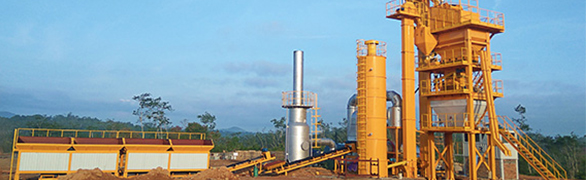
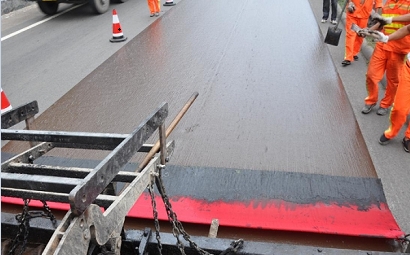
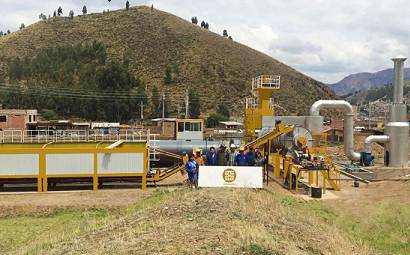
A mobile asphalt plant is designed to produce hot mix asphalt efficiently while remaining easy to transport and install. For contractors working on highways, municipal roads, or temporary construction sites, understanding the main components of a mobile asphalt plant helps improve equipment selection and daily operation.
Although plant configurations may vary, most mobile asphalt mixing plants share several key systems that directly affect production quality and operating efficiency.
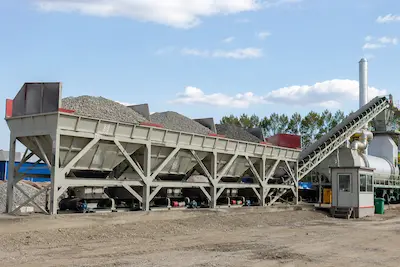
The production process starts with the cold aggregate feeding system.
This section stores different sizes of aggregates and feeds them into the plant according to the required mix ratio. Stable aggregate feeding is important because inconsistent material supply may influence asphalt quality and production continuity.
A reliable feeding system helps maintain steady output and improves overall plant performance.
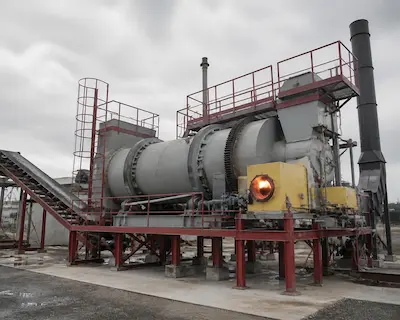
The drying drum and burner are often considered the core of an asphalt plant.
Aggregates usually contain moisture before entering the mixing process. The drying drum removes this moisture and heats the material to the required temperature. The burner provides the heat energy needed for this stage.
Fuel efficiency and burner performance can directly affect operating costs. For this reason, many contractors pay close attention to burner quality and energy consumption when selecting an asphalt plant.
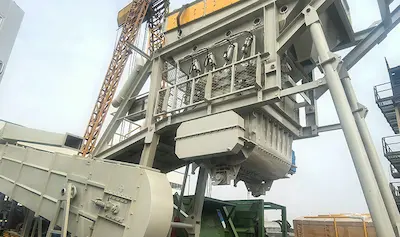
After heating, aggregates pass through the screening system where materials are separated by size.
The weighing system then measures aggregates, bitumen, and filler according to the selected asphalt formula. Accurate weighing is essential for producing stable and consistent hot mix asphalt.
Projects requiring strict pavement specifications often depend on precise measurement and quality control during this stage.
The mixing system combines heated aggregates, bitumen, and mineral filler into a uniform asphalt mixture.
Mixing quality plays a major role in final pavement performance. Poor mixing may lead to uneven coating and inconsistent asphalt quality, while a well-designed mixer helps ensure reliable paving results.
For batch mix asphalt plants, this process also allows greater flexibility when different asphalt formulas are required.
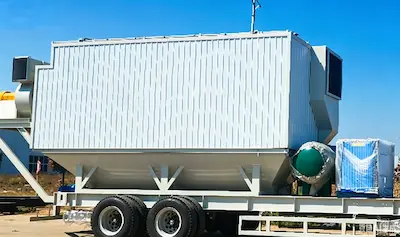
Environmental performance has become increasingly important in road construction.
The dust collection system captures fine particles generated during drying and mixing, helping reduce emissions and maintain a cleaner working environment.
A properly designed dust collection system not only supports environmental compliance but also contributes to safer plant operation.
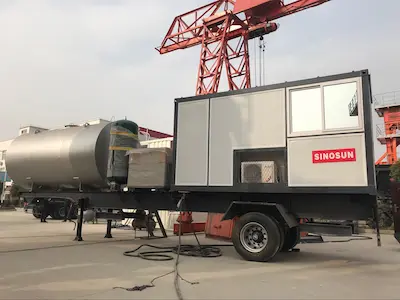
Modern mobile asphalt plants are typically equipped with PLC control systems.
The control system monitors temperature, material ratio, and production data while simplifying plant operation. Automation helps reduce manual error and improves production consistency.
For contractors managing multiple projects, an intelligent control system can also improve operating efficiency and maintenance planning.
Each component of a mobile asphalt plant plays a different role in asphalt production. From aggregate feeding and drying to mixing and automatic control, system design directly affects efficiency, asphalt quality, and operating cost.
When choosing a mobile asphalt mixing plant, understanding these key components can help contractors select equipment better suited to long-term project requirements.