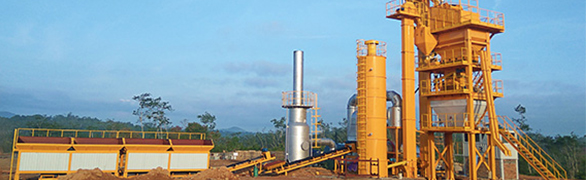
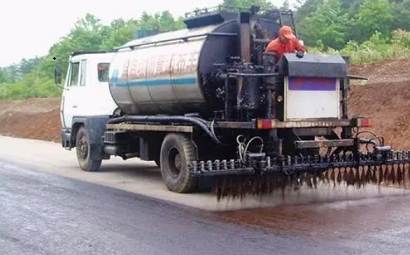
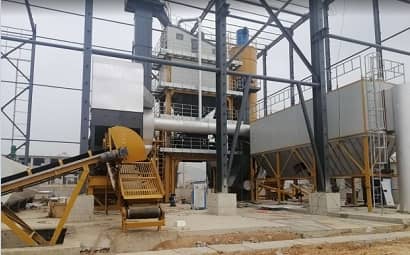
A mobile asphalt plant is designed for projects that require flexibility, fast installation, and efficient asphalt production close to the paving site. Unlike a stationary plant, a mobile asphalt mixing plant can be relocated when the project moves, helping contractors reduce transportation costs and improve project efficiency.
But which projects benefit most from a mobile asphalt plant?
Highway construction often covers long distances and may involve multiple paving sections. In these situations, placing a mobile asphalt plant closer to the job site can reduce asphalt hauling distance and minimize temperature loss during transportation.
For contractors working on regional or cross-country highway projects, mobility can become a major advantage.
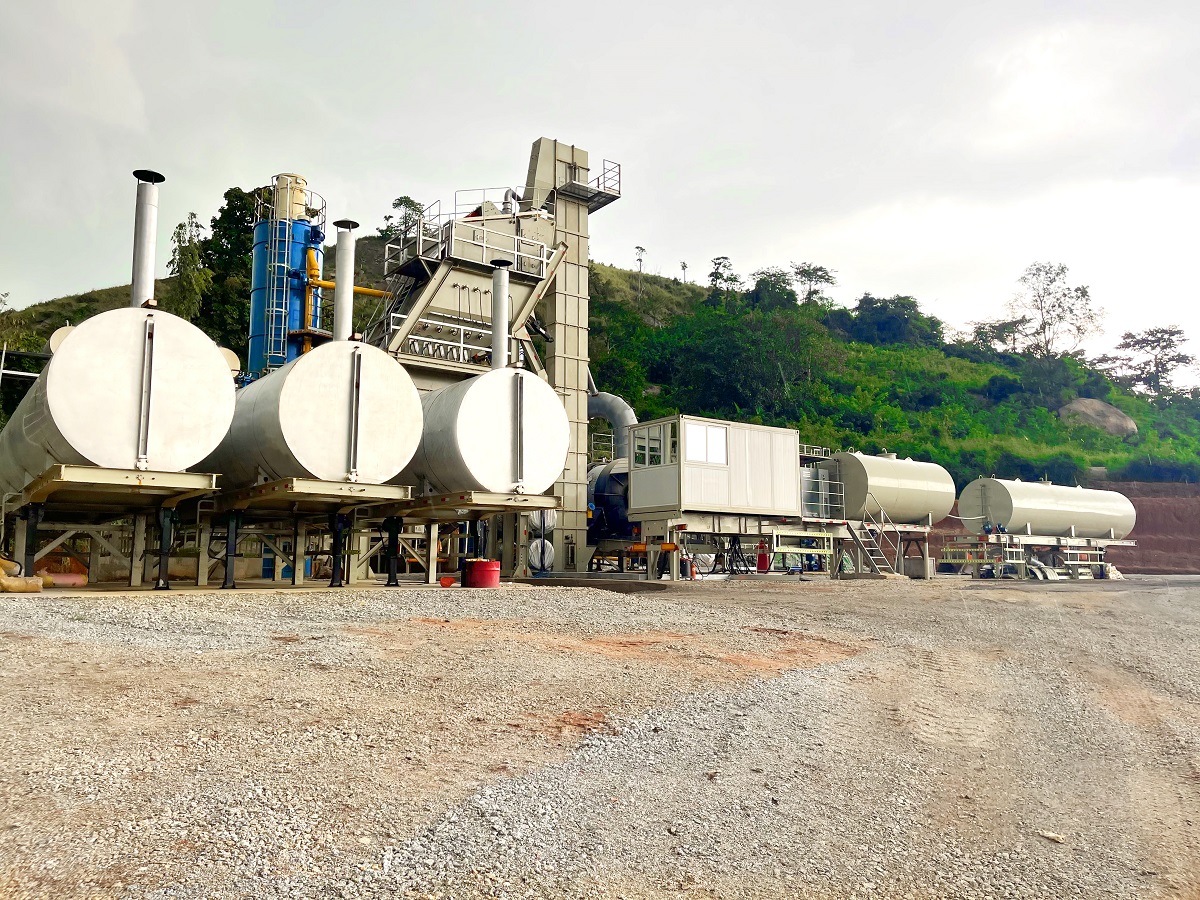
City road construction usually faces limited space, traffic restrictions, and tight schedules. A portable asphalt plant allows asphalt production closer to urban paving sites, helping reduce delivery delays.
This makes mobile plants suitable for municipal road rehabilitation and urban paving work.
Remote road projects often face logistical challenges. Transporting hot mix asphalt over long distances may increase fuel costs and affect mix temperature before paving begins.
A mobile asphalt plant solves this issue by enabling on-site or nearby asphalt production.
Road repair projects rarely require permanent asphalt production facilities. Maintenance contractors often prefer mobile asphalt plants because they can be installed quickly and moved once the work is completed.
This flexibility helps reduce downtime and improve maintenance efficiency.
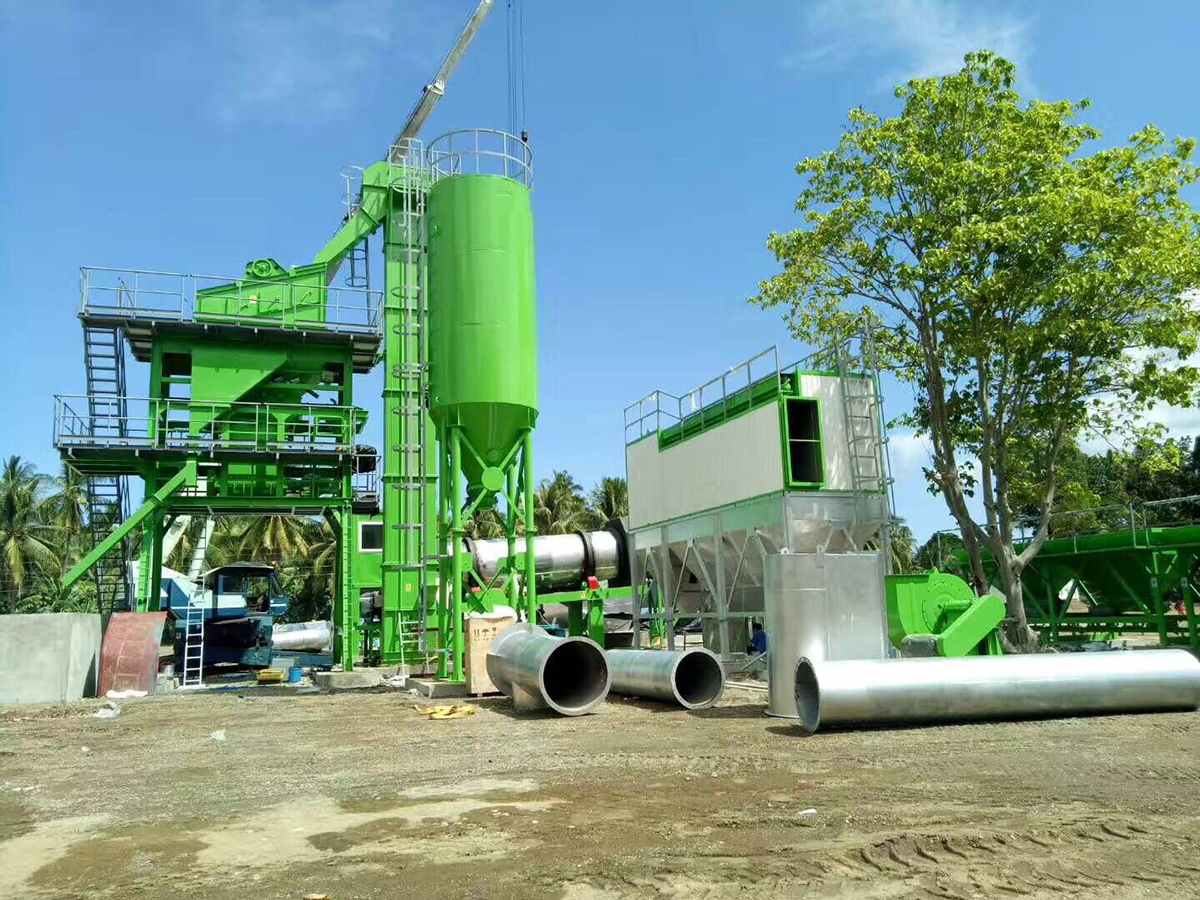
Many international contractors choose mobile asphalt mixing plants for overseas construction projects. Their modular design simplifies transportation and installation in different countries and working environments.
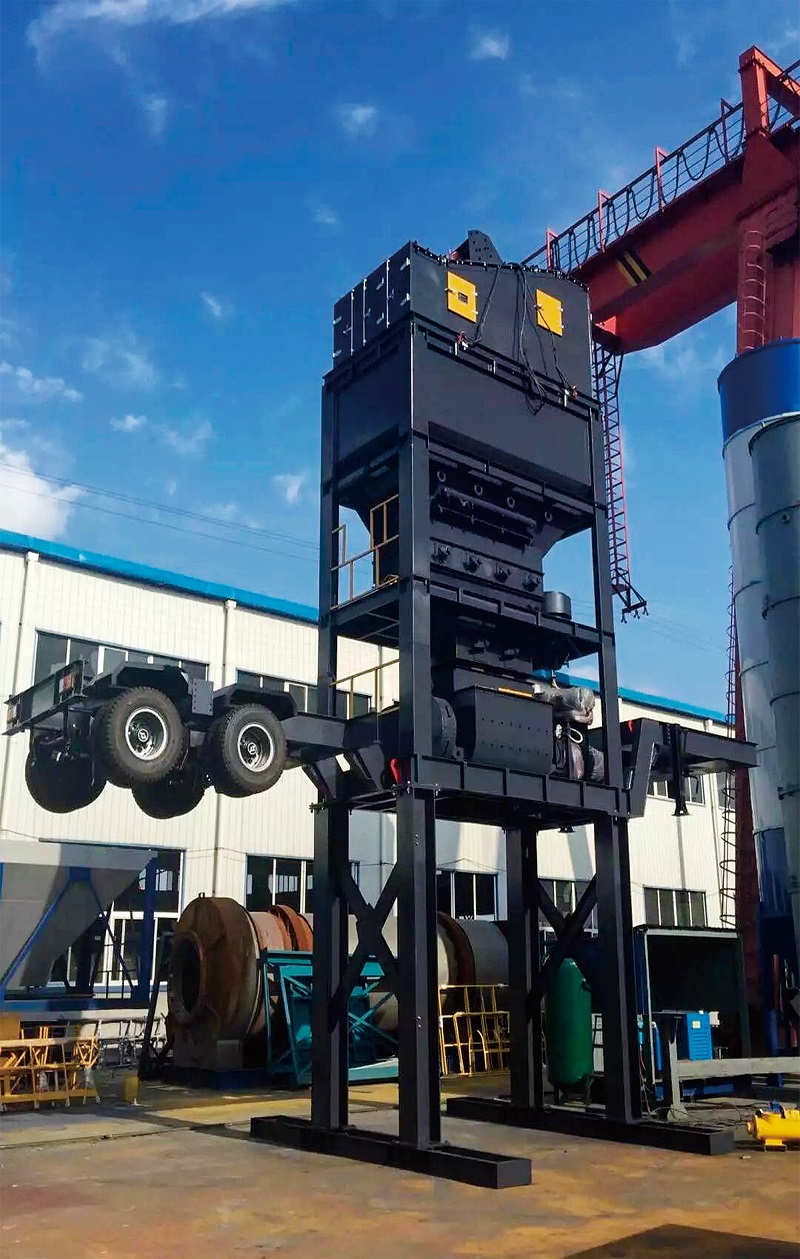
Yes. Many mobile asphalt plants are designed for medium to large-scale road construction and can support continuous highway paving operations.
The answer depends on project duration and location. For short-term or multi-site projects, a mobile plant often reduces logistics and infrastructure costs.
Its ability to relocate quickly and produce asphalt closer to the paving site.
A mobile asphalt plant is ideal for highway construction, municipal paving, rural roads, maintenance projects, and overseas infrastructure work. By reducing transportation distance and improving operational flexibility, it provides contractors with a practical and cost-effective asphalt production solution.