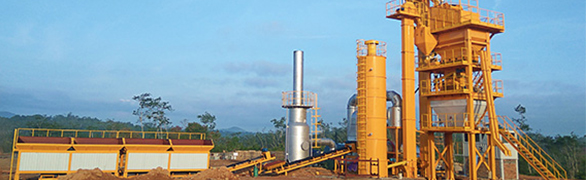
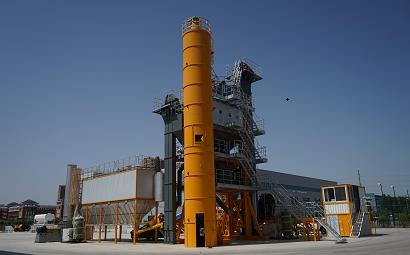
When planning a road construction or asphalt production project, one of the most common questions contractors ask is: How much does a mobile asphalt plant cost?
The answer depends on several factors, including production capacity, plant type, level of automation, fuel system, and customization requirements. While price is important, choosing the right asphalt plant is about balancing investment cost, production efficiency, and long-term operating expenses.
In this guide, we explain the major factors affecting mobile asphalt plant price and help you understand how to select the most cost-effective solution for your project.
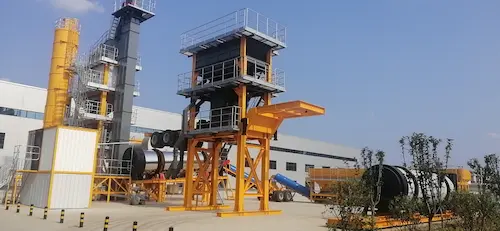
The cost of a mobile asphalt mixing plant can vary significantly depending on specifications and production capacity.
Typical price ranges include:
| Plant Capacity | Estimated Price Range |
|---|---|
| 20–40 TPH | Lower investment range |
| 40–80 TPH | Mid-range pricing |
| 80–160 TPH | Higher capacity investment |
| 160 TPH+ | Customized quotation |
Generally, larger plants with higher output and advanced control systems require greater initial investment but often provide better production efficiency and lower unit production cost over time.
Several key factors influence the final price of a mobile asphalt plant.
Capacity is usually the biggest pricing factor.
A plant producing 40 TPH will cost less than one producing 120 TPH or more. Contractors should choose capacity according to project demand rather than simply purchasing the largest model available.
Selecting the proper capacity helps avoid unnecessary investment and improves ROI.
Mobile asphalt plants generally fall into two categories:
The choice between batch mix and drum mix can affect both purchase price and operational cost.
Modern asphalt plants increasingly use intelligent control systems.
Higher automation offers benefits such as:
Although automated systems increase initial cost, they often reduce long-term operating expenses.
Fuel choice also affects investment and operating costs.
Common options include:
Energy-efficient heating systems may cost more initially but can significantly reduce fuel consumption during operation.
Many buyers focus only on equipment price and overlook total project cost.
Additional expenses may include:
A factory-direct supplier with installation and after-sales support can often help reduce these hidden costs.
The cheapest plant is not always the most economical choice.
Before purchasing, contractors should evaluate:
Temporary projects may benefit from highly mobile solutions.
Choose output based on expected asphalt demand.
Consider whether additional capacity may be needed later.
Reliable technical support and spare parts availability are essential for long-term operation.
A well-designed mobile asphalt plant should combine efficient production, easy relocation, and low maintenance cost.
So, how much does a mobile asphalt plant cost in 2026?
The answer depends on capacity, configuration, automation level, and project requirements. Instead of focusing solely on purchase price, contractors should evaluate total ownership cost and long-term performance.
Choosing the right mobile asphalt plant manufacturer can help reduce operating expenses, improve construction efficiency, and deliver stronger investment returns.
If you are looking for a mobile asphalt mixing plant for sale, consulting with an experienced supplier can help you find the most suitable solution for your project.
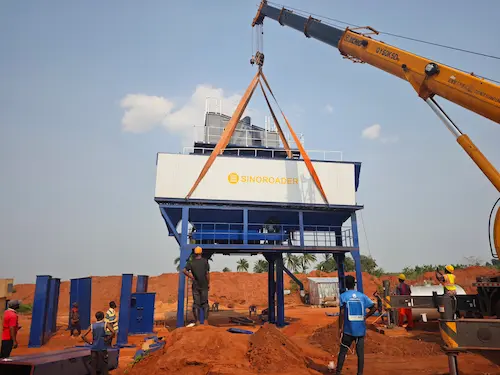
The price varies depending on plant capacity and configuration. Small plants generally require lower investment, while high-capacity customized plants involve higher pricing.
Production capacity, plant type, automation level, and fuel system are usually the main pricing factors.
Mobile plants may reduce transportation and installation costs, especially for projects requiring relocation between multiple sites.
Batch mix plants offer higher precision, while drum mix plants are ideal for continuous large-volume production.
Choosing the right plant capacity, improving fuel efficiency, and working with a reliable manufacturer can help reduce long-term costs.